How Composite Paperboard Drives the Future of the Green Supply Chain
Introduction
As global awareness of sustainability continues to rise, companies are no longer focused solely on cost and efficiency in supply chain management—they are increasingly prioritizing environmental protection and long-term sustainability. Composite paperboard, with its high performance, recyclability, and customization capabilities, has become an essential material within the green supply chain.
This article explores how composite paperboard supports green development—from technology and applications to practical case studies.
1. Technical Advantages and Green Attributes of Composite Paperboard
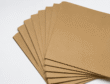
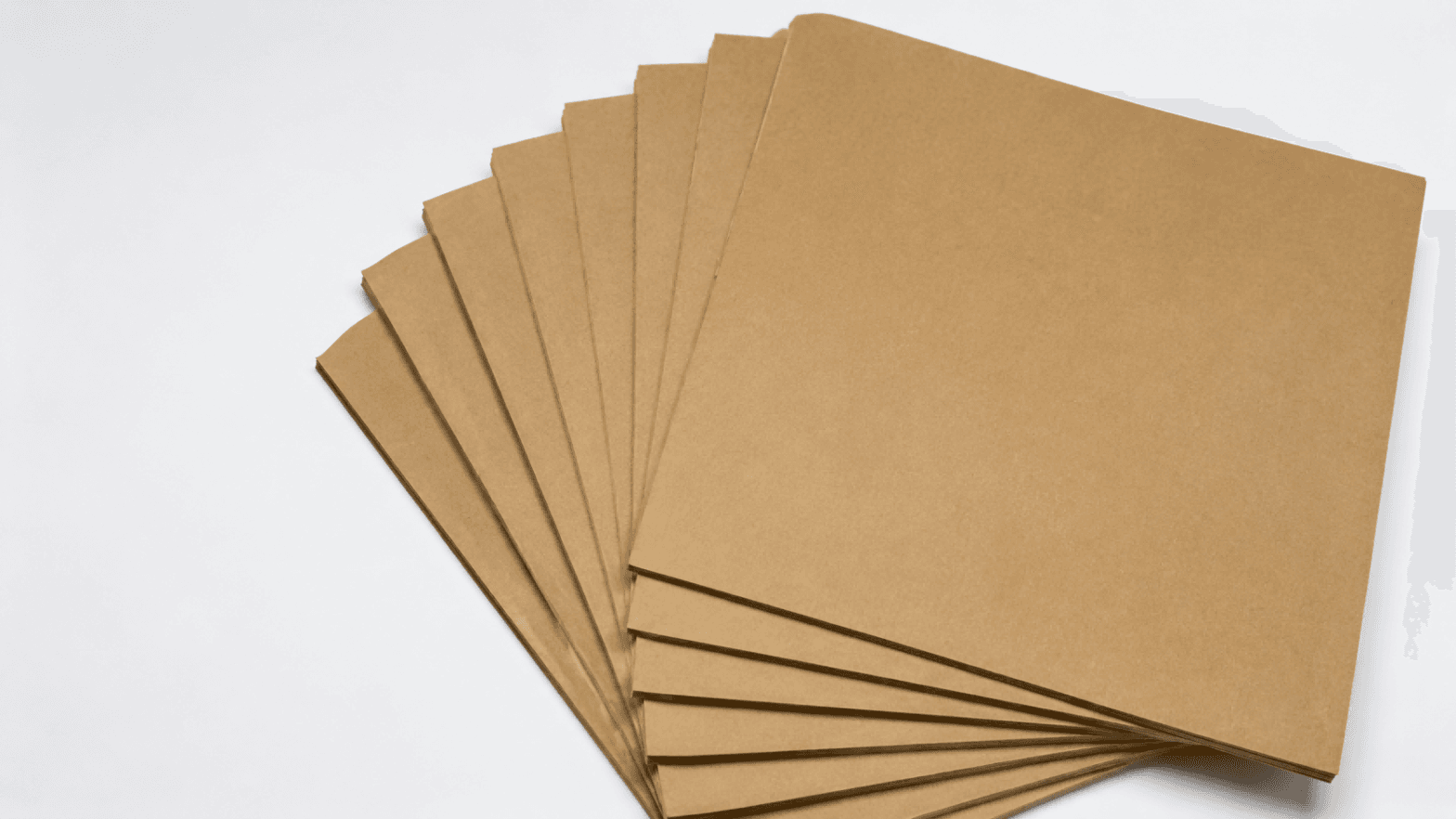
Composite paperboard is a multilayer board made from high-quality paper or fiber materials. Its typical structure includes:
-
Surface Layer: Provides printability and protection; supports brand design.
-
Liner Layer: Improves smoothness and processing performance.
-
Core Layer: Ensures the main load-bearing capacity.
-
Backing Layer: Strengthens the bottom surface and enhances overall stability.
Green Advantages
-
Recyclable: Most raw materials can be reused, reducing reliance on plastic.
-
Low-carbon production: Its manufacturing process consumes less energy than plastic packaging.
-
Lightweight design: Maintains high strength while reducing transportation weight and carbon emissions.
Tip: Our composite paperboard offers adjustable thickness from 0.3–6 mm and GSM from 350–1800 g/m², allowing flexible customization for various packaging needs.
2. Applications of Composite Paperboard Across the Supply Chain
1. Manufacturing Stage
-
Ideal for product inner supports and outer packaging, ensuring safety during transport.
-
Highly customizable for different production lines and packaging equipment.
Example: A mechanical parts manufacturer reduced product damage during transportation by 30% after adopting composite paperboard packaging.
2. Warehousing Stage
-
Strong stacking and compression resistance help save storage space.
-
Lightweight design lowers handling and labor costs.
3. Logistics and Transportation Stage
-
Multi-layer structure provides strong shock and compression resistance.
-
Lightweight material reduces transportation energy consumption.
-
Customizable to prevent void space and packaging waste.
4. Retail and Consumer Experience
-
High-quality surface layer enhances brand presentation.
-
Supports eco-label printing, reinforcing the brand’s sustainable image.
3. Case Studies: Composite Paperboard in the Green Supply Chain
Case 1: Industrial Parts Transportation
-
Client: Large mechanical parts manufacturer
-
Solution: Customized composite paperboard inner supports + corrugated outer box
-
Result: Product damage rate reduced by 30%, cutting rework costs and replacing part of the plastic packaging with eco-friendly materials.
Case 2: Premium Consumer Goods Packaging
-
Client: Cosmetics brand
-
Solution: Customized 2 mm composite paperboard gift box offering both lightweight and durability
-
Result: Improved premium brand image and met sustainability requirements, earning positive consumer feedback.
4. How to Select the Right Composite Paperboard Supplier
When evaluating suppliers, consider the following key factors:
-
Raw material quality: Ensure high-grade fibers and eco-friendly materials.
-
Production capacity: Stable output and reliable delivery timelines.
-
Customization capability: Options for size, thickness, and surface finishing.
-
Technical expertise: Proven industry experience and successful project cases.
-
Environmental certifications: Valid sustainability and quality credentials.
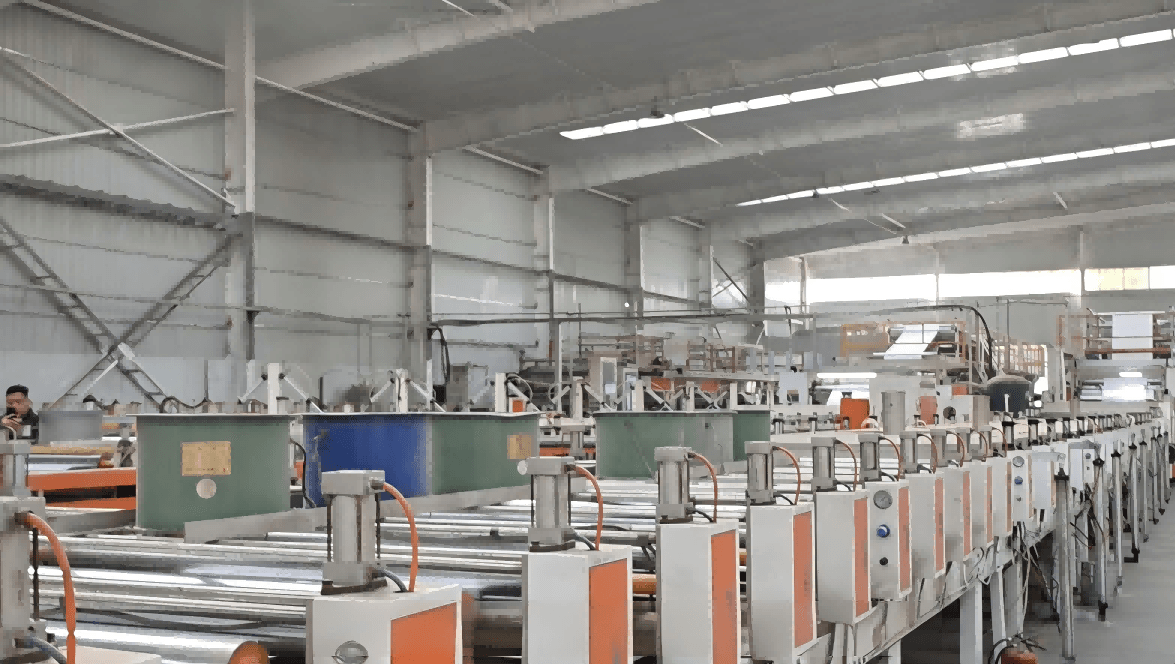
Since our founding in 2011, we have focused on producing composite paperboard, equipped with advanced production lines and strict quality control systems, providing customized, sustainable packaging solutions for domestic and international clients.
5. Future Trends: Composite Paperboard and the Green Supply Chain
-
Policy advancement: Global regulations increasingly require sustainable packaging.
-
Technological innovation: Biodegradable coatings and recycled fibers are becoming mainstream.
-
Integrated supply chain: From manufacturing to logistics, green packaging will become a core competitive advantage for brands.
Composite paperboard is more than just an eco-friendly packaging material—it is a powerful tool that drives the transformation toward a greener supply chain. It helps reduce costs, protect products, and elevate brand sustainability.
Conclusion
With its high performance and environmental benefits, composite paperboard is becoming a key material in sustainable supply chains. When selecting packaging materials, companies should not only consider strength and cost, but also long-term sustainability and brand reputation. Composite paperboard presents an ideal balance of performance, adaptability, and environmental responsibility.
Author Profile

-
HONGTUSCENERY is a professional manufacturer of composite paperboard,
providing sustainable and customized packaging solutions for global brands.
With nearly 20 years of industry experience, we focus on material performance,
structural strength, and green supply chain development.
Latest entries
 Double-Sided Kraft Laminated Greyboard2026-10-13Hidden Costs in Kraft Board Procurement: Why the Lowest Price Is Not Always the Best Deal
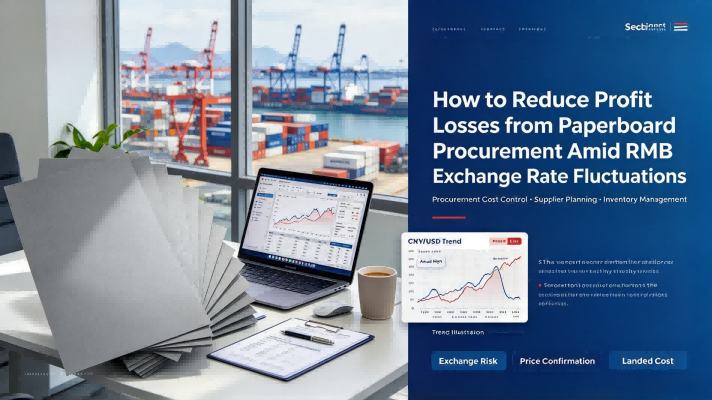 Industry Insights2026-10-10How to Reduce Profit Losses from Paperboard Procurement Amid RMB Exchange Rate Fluctuations
 Company News2026-10-03Kraft Paperboard: Applications, Performance Advantages & Sustainability
 Double-Sided Kraft Laminated Greyboard2026-09-305 Key Factors for Choosing a Reliable Kraft Board for Packaging Supplier