Greyboard Gift Box Design and Applications: Practical Guide
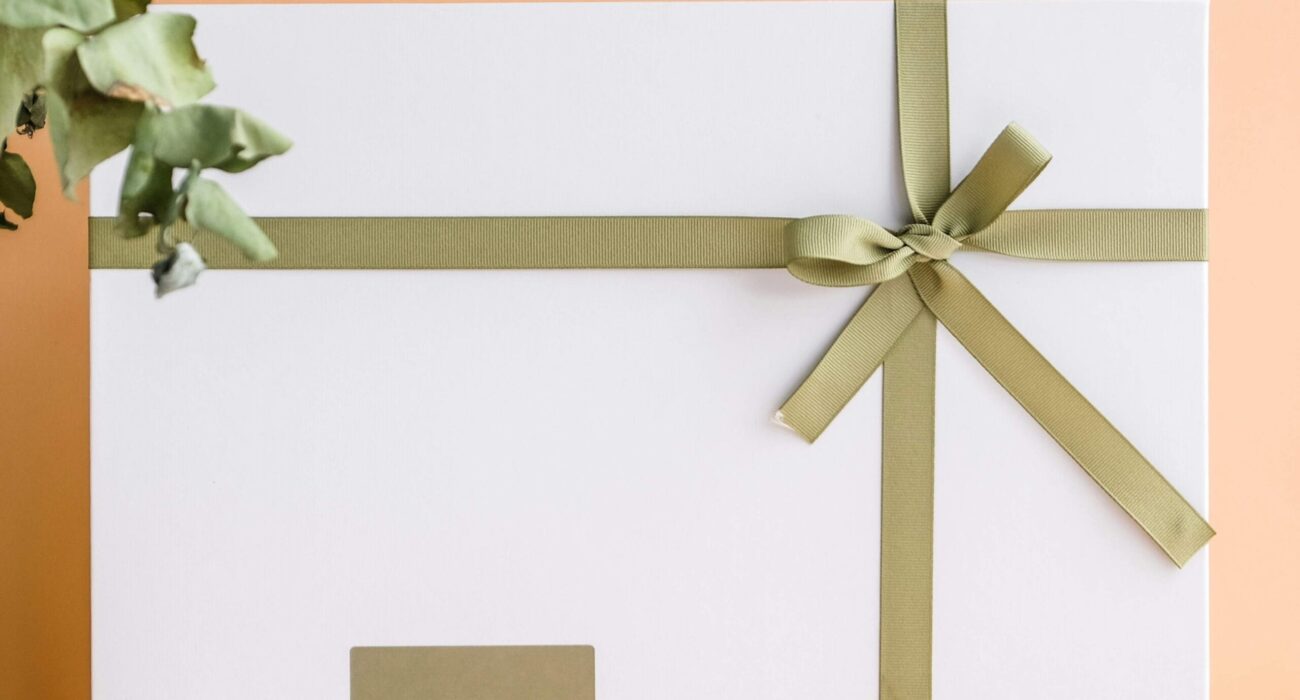
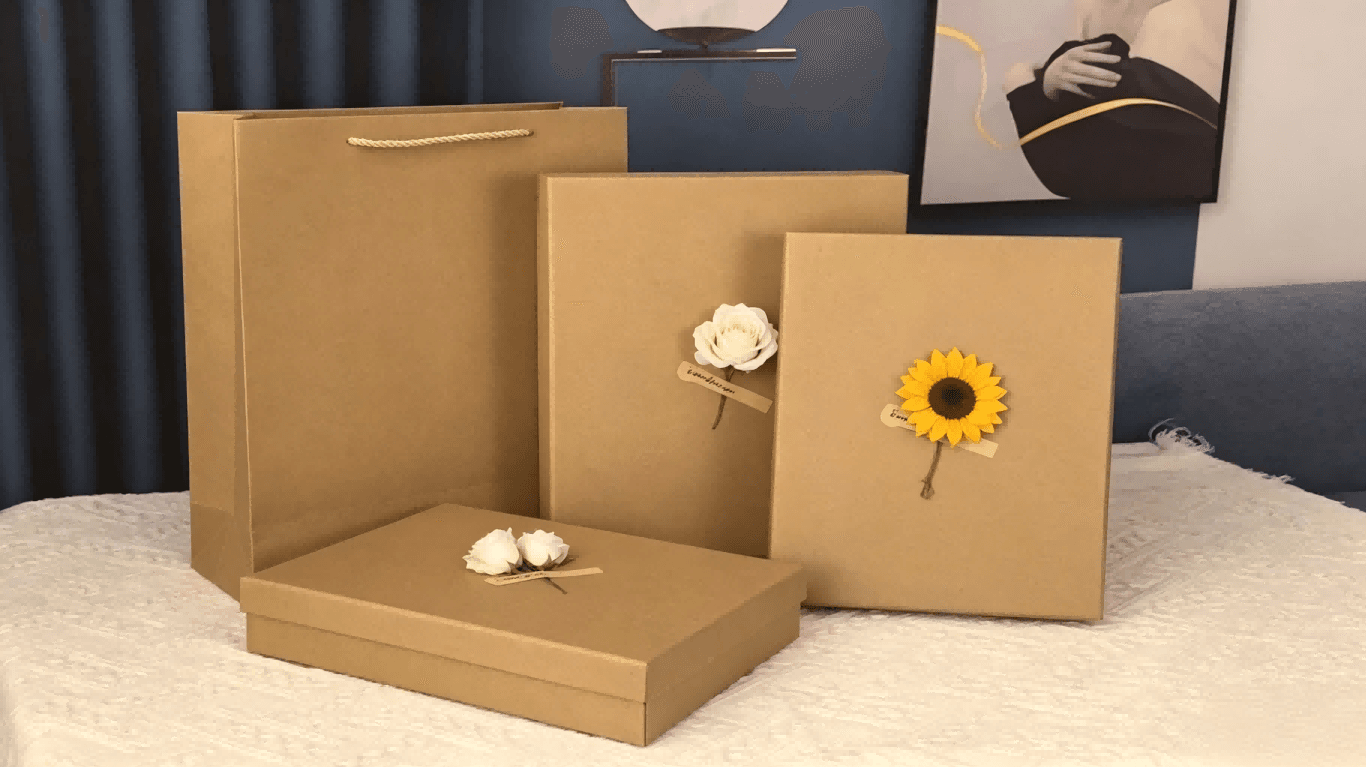
In the high-end packaging industry, greyboard gift boxes are widely used for cosmetics, jewelry, electronics, and cultural gift products due to their excellent structural strength and stability.
However, during mass production, brands often face issues such as:
- Boxes collapsing during storage and stacking
- Magnetic closures losing strength after repeated use
- Silver items tarnishing inside the box
- Corners cracking or deforming during transportation
Most of these problems are not caused by design flaws but by improper greyboard thickness, poor material matching, or inadequate production control.
This guide introduces the engineering perspective of greyboard gift boxes, covering structural design, material selection, and production essentials to help brands make more reliable packaging decisions. For a detailed reference on international shipments, see our [Greyboard Applications Guide for Export Packaging].
Table of Contents
- Basic Structure of Greyboard Gift Boxes
- Why Greyboard Thickness Matters
- Common Greyboard Box Types
- Key Production Processes
- Sustainable Advantages of Greyboard
- Common Quality Issues
- FAQ: Common Questions About Greyboard Gift Boxes
1. Basic Structure of Greyboard Gift Boxes
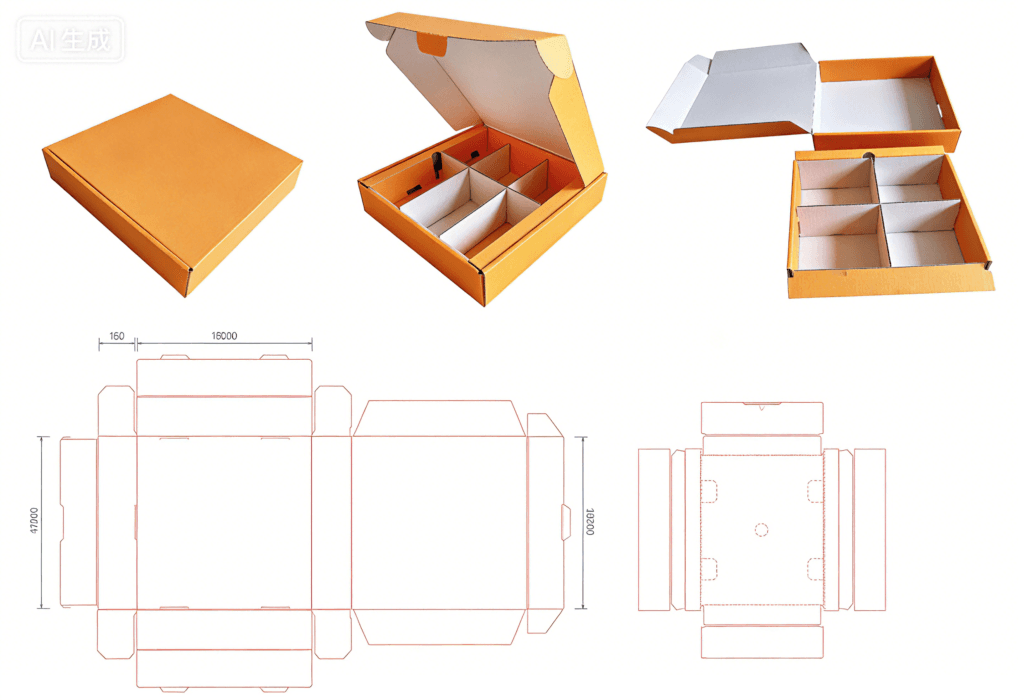
A typical greyboard gift box has three layers:
1. Outer Paper (Outer Layer)
Provides visual appeal and brand identity. Common materials include specialty paper, art paper, or coated paper for printing.
2. Greyboard Core
The greyboard core determines structural strength, rigidity, and compression resistance.
3. Inner Lining
Protects the product and enhances tactile quality, such as velvet, molded pulp, or EVA inserts.
This three-layer structure ensures:
- Structural strength
- Visual appeal
- Product protection
For brands designing beauty product packaging, our [Greyboard Cosmetics Packaging] guide provides in-depth insights into material and structure choices for premium cosmetic boxes.
2. Why Greyboard Thickness Matters
Greyboard thickness is critical for box durability.
Bending stiffness increases with the cube of thickness. Even a small increase in thickness can greatly improve structural strength.
For example:
- Increasing from 1.5 mm to 2.0 mm
- Can improve stiffness by over 130%
Insufficient thickness can lead to collapse during stacking or transport. Typical thickness ranges:
- 1.5 mm — Small boxes
- 2.0 mm — Standard boxes
- 2.5–3.0 mm — Large or premium boxes
Selecting the correct thickness helps Prevent Packaging Deformation and ensures compliance with greyboard industry standards, providing consistent rigidity and durability across production batches.
3. Common Greyboard Box Types
Depending on the product, greyboard gift boxes usually fall into:
Magnetic Closure Boxes
Hidden magnets provide a sleek, premium feel. Commonly used for:
- Cosmetics sets
- Electronics
- Premium gifts
Lid and Base Boxes
A classic two-piece design with a separate lid and base, widely used for:
- Jewelry
- Luxury gifts
- Collectibles
Drawer Boxes
Inner trays slide out like a drawer, offering a ceremonial unboxing experience, often used for:
- Perfumes
- Premium stationery
- Electronics
Different box types require careful greyboard thickness selection, precise lamination, and accurate die-cutting.
4. Key Production Processes
High-quality greyboard boxes involve:
Die Cutting
Cuts greyboard into precise shapes.
V-Grooving
Creates grooves for smooth folding.
Lamination
Adheres printed or specialty paper to the greyboard.
Assembly
Final manual or automated assembly.
If production control is unstable (e.g., high humidity or incorrect glue), issues such as wrinkled paper, corner cracking, or deformation may occur.
5. Sustainable Advantages of Greyboard
Greyboard is typically made from recycled paper fibers, offering renewable and recyclable packaging options. Brands can further enhance sustainability by following sustainable packaging best practices to reduce environmental impact and comply with global regulations.
- Renewable raw materials
- High recyclability
- Lower carbon footprint
Many brands use FSC-certified materials to ensure fibers come from responsibly managed forests. Greyboard also allows for reduced plastic use, making it ideal for brands balancing eco-friendliness and structural strength.
6. Common Quality Issues
During mass production, greyboard boxes may encounter:
Box Collapse
Due to insufficient thickness or low-density greyboard.
Magnetic Closure Failure
Caused by incorrect magnet size or placement.
Corner Cracking
Related to die-cut precision or greyboard quality.
Product Tarnishing
Metal items like silver jewelry may oxidize if packaging conditions are not suitable.
Most issues can be avoided by proper material selection and production control during the design stage.
7. FAQ: Common Questions About Greyboard Gift Boxes
Most boxes use 1.5 mm to 2.5 mm. The exact thickness depends on box size, weight capacity, and brand positioning.
Collapses usually occur due to insufficient thickness or low density. Proper thickness selection can help [Prevent Packaging Deformation].
Yes. Greyboard is made from recycled fibers, highly recyclable, and relatively sustainable.
Greyboard is thicker and denser, suitable for rigid boxes. Whiteboard is thinner and mostly used for folding cartons.
Bending stiffness increases with the cube of thickness. Even a slight increase significantly improves rigidity.
Commonly used in:
Cosmetics
Jewelry
Electronics
Premium gifts
Cultural & creative products
Refer to our [Greyboard Applications Guide for Export Packaging] for step-by-step guidelines on international shipments.
Conclusion
Designing and producing high-quality greyboard gift boxes involves a careful balance of material science, structural engineering, and craftsmanship. Every detail—from selecting the right greyboard thickness and surface paper to choosing chemically compatible inner linings—can directly affect the final user experience and brand perception.
For packaging professionals, developing a systematic technical understanding or partnering closely with experienced suppliers is key to minimizing production risks and enhancing product premium value.
If you are looking for a reliable packaging solution or have specific requirements for export packaging, our [Greyboard Applications Guide for Export Packaging] offers a detailed reference, and our packaging engineering team is available to provide customized material and design recommendations.
Author Profile

-
HONGTUSCENERY is a professional manufacturer of composite paperboard,
providing sustainable and customized packaging solutions for global brands.
With nearly 20 years of industry experience, we focus on material performance,
structural strength, and green supply chain development.
Latest entries
 Double-Sided Kraft Laminated Greyboard2026-10-13Hidden Costs in Kraft Board Procurement: Why the Lowest Price Is Not Always the Best Deal
 Industry Insights2026-10-10How to Reduce Profit Losses from Paperboard Procurement Amid RMB Exchange Rate Fluctuations
 Company News2026-10-03Kraft Paperboard: Applications, Performance Advantages & Sustainability
 Double-Sided Kraft Laminated Greyboard2026-09-305 Key Factors for Choosing a Reliable Kraft Board for Packaging Supplier