Dyed Paper Solutions for Packaging: How to Choose the Right Type for Your Project
Dyed Paper Overview (Quick Introduction)
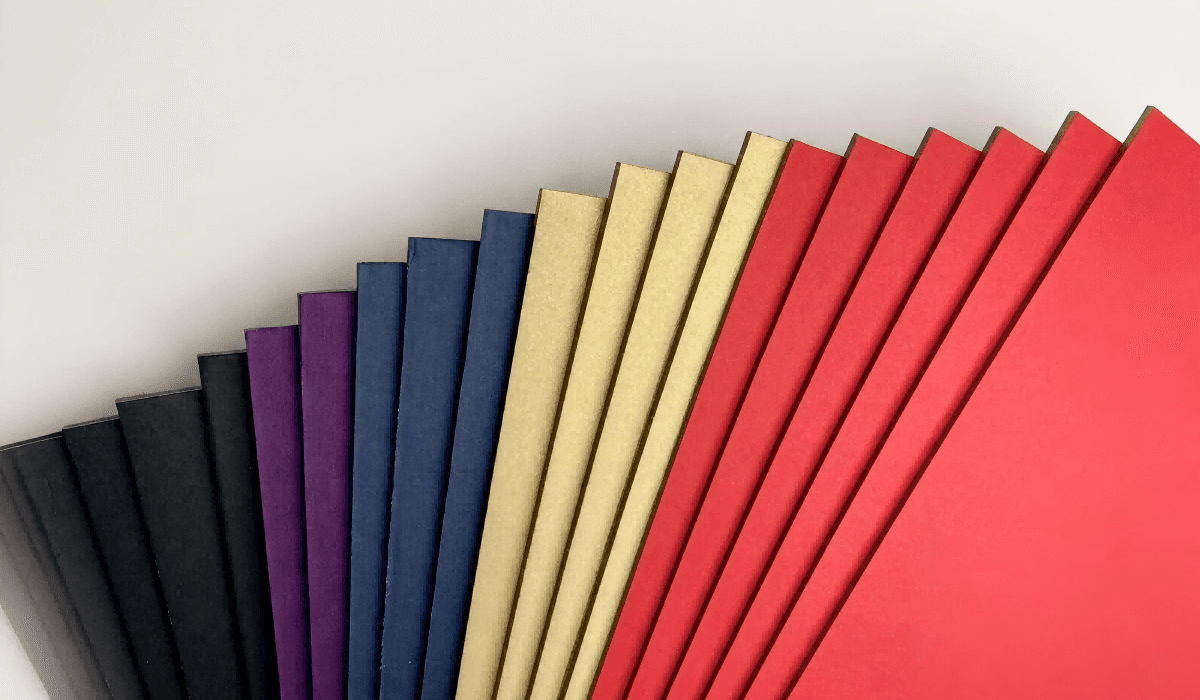
Dyed paper is a type of uncoated paper material made from wood pulp or recycled pulp, which is colored during the papermaking process or after sheet formation. It is also commonly referred to as through-colored paper or solid-colored paper.
Its key feature is that the color is either integrated into the fiber structure or stably applied to the paper surface, allowing the material to maintain relatively consistent color performance after cutting and folding.
From a material perspective, dyed paper belongs to the uncoated paper system. Based on natural fiber structure, its performance is enhanced through dyeing and surface sizing processes. As a result, it is widely used in packaging applications such as gift box lining, structural packaging materials, labels, and brand visual paper products.
Table of Contents
- Dyed Paper Overview (Quick Introduction)
- What Is Dyed Paper?
2.1 Pulp-Dyed Paper (Through-Color Paper)
2.2 Surface-Dyed Paper (Post-Processing Dyed Paper)
2.3 Process Positioning Difference - Key Advantages of Surface-Dyed Paperboard
- GSM and Physical Properties
- Printing and Post-Processing Compatibility
- Application Areas: Packaging and Brand Systems
- How to Choose the Right Dyed Paper?
What Is Dyed Paper?
Dyed paper can be divided into two main production types:
1. Pulp-Dyed Paper (Through-Color Paper)
Pulp-dyed paper is produced by adding dye directly into the pulp during the papermaking process. The color is evenly distributed throughout the fiber structure.
Its main characteristic is consistent color inside and out, meaning there is no white core after cutting. This provides strong visual uniformity, making it suitable for high-end packaging applications where brand consistency is critical.
2. Surface-Dyed Paper (Post-Processing Dyed Paper)
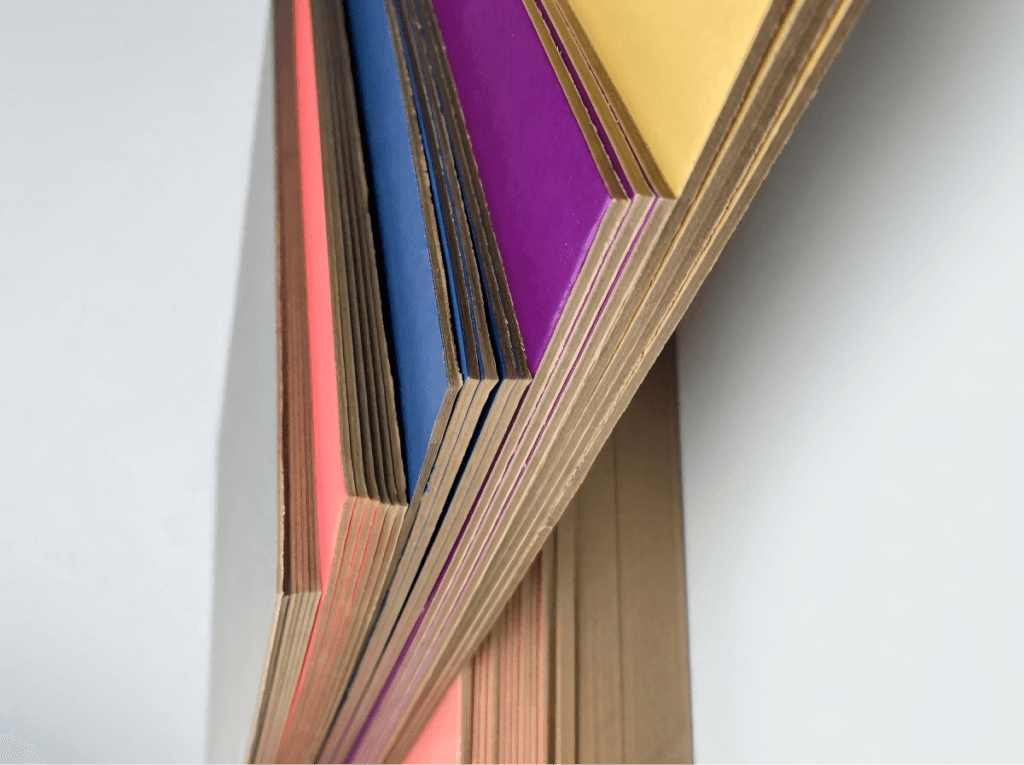
Surface-dyed paper is produced by applying dye to the surface after the paper sheet has been formed. The surface shows the target color, but the inner core may remain white or in its original fiber color.
This means that after cutting, color differences between the surface and the core may occur.
The key advantage of this process is higher production efficiency and more competitive cost, making it suitable for standardized packaging and applications with less strict color consistency requirements.
Process Positioning Difference
The difference between the two types is mainly related to application positioning rather than quality level:
- Pulp-dyed paper focuses on visual consistency and is commonly used for premium brand packaging
- Surface-dyed paper focuses on cost efficiency and is widely used for standard packaging and mass production
Key Advantages of Surface-Dyed Paperboard
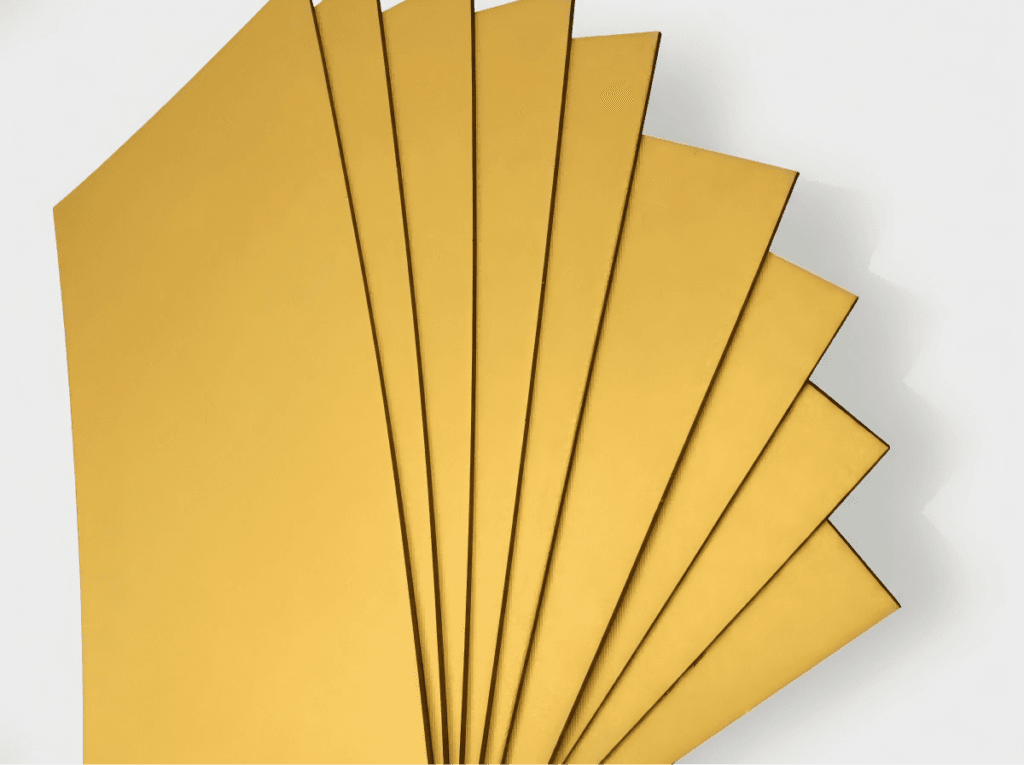
The main advantage of surface-dyed paperboard lies in cost optimization. The structure typically uses recycled pulp as the base material, while only the surface layer is dyed or lightly treated. This reduces reliance on high-cost virgin pulp and dye materials, resulting in a more competitive production cost.
In terms of appearance, surface treatment improves surface smoothness and color stability, providing good printability for offset printing, flexographic printing, and digital printing. It is suitable for basic brand packaging and commercial applications.
From an environmental perspective, this type of paperboard usually contains a high proportion of recycled fibers, supporting resource efficiency and aligning with the sustainable development trend in the packaging industry.
In terms of physical performance, surface sizing treatment enhances abrasion resistance and water resistance on the surface, while the overall structure maintains good compression strength, making it suitable for shipping packaging and corrugated box applications.
In terms of application, it is widely used in e-commerce packaging, corrugated boxes, and standard brand packaging, where color design and structure can support basic brand recognition.
GSM and Physical Properties
The performance of dyed paper is largely determined by its basis weight (GSM), which affects stiffness, flexibility, and structural stability.
| GSM Range | Material Characteristics | Typical Applications |
|---|---|---|
| 80–120gsm | Soft and lightweight | Inner pages, packaging filler, light packaging paper |
| 120–180gsm | Balanced flexibility and stiffness | Card paper, hang tags, decorative packaging materials |
| 180–250gsm | Strong stiffness and stable structure | Packaging lining, gift box inner structure, support materials |
| 250gsm+ | Cardboard-like structure | Luxury gift boxes and structural packaging materials |
Lower GSM is suitable for lightweight applications, medium GSM is the most commonly used range for balanced performance, while higher GSM is used for structural packaging and premium rigid boxes.
The performance of dyed paper is closely related to GSM and paperboard thickness.
link: paperboard thickness and GSM influence packaging performance
Printing and Post-Processing Compatibility
As an uncoated paper system, dyed paper still offers good compatibility with common printing and finishing processes, making it widely used in packaging applications.
It performs well in offset printing, flexographic printing, and digital printing, providing stable color reproduction for brand packaging.
It is also suitable for hot stamping and foil stamping, as the stable surface structure helps improve detail clarity, making it ideal for logos and key visual elements.
During die-cutting, edges remain clean with minimal fiber fraying. In folding and creasing processes, medium to high GSM grades provide better structural stability, making them suitable for industrial-scale production.
Application Areas: Packaging and Brand Systems
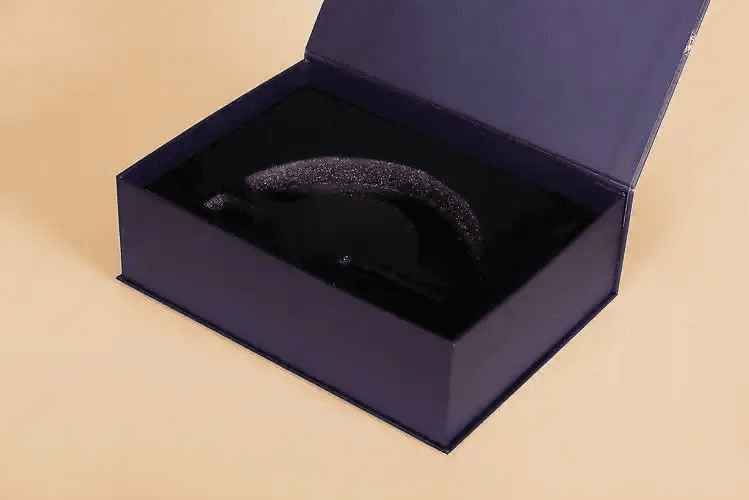
Dyed paper is widely used in packaging systems that require consistent visual identity and material texture.
Typical applications include gift box lining, structural packaging materials, and brand auxiliary paper used to enhance overall packaging consistency and visual unity.
It is also used in long-term display products such as calendars and planners, as it offers better color stability compared to regular paper and is less likely to fade over time or under light exposure.
In addition, it is commonly applied in hang tags, labels, and brand visual communication materials, helping maintain a unified brand identity across different applications.
How to Choose the Right Dyed Paper?
When selecting dyed paper for packaging applications, the decision mainly depends on the balance between visual consistency, cost efficiency, and end-use requirements.
If your project requires high-end brand presentation with strict color consistency—especially where cut edges and overall appearance must remain uniform—pulp-dyed paper is generally the more suitable option due to its through-fiber color structure.
If your application focuses more on cost efficiency, large-scale production, or standardized packaging, surface-dyed paper provides a more practical solution while still maintaining acceptable printing and visual performance.
In many real projects, packaging issues are not caused by wrong material selection, but by mismatches between structure design and material performance, such as color deviation, inconsistent cutting appearance, or batch stability concerns.
Therefore, even if you already have a preliminary choice, it is still recommended to confirm material suitability or conduct an application review before production to avoid potential quality or consistency issues.
If you are selecting the right type of dyed paper for your project, you can share your application details (such as box structure, GSM requirements, or printing method), and we can help you evaluate the most suitable solution.
Author Profile

-
HONGTUSCENERY is a professional manufacturer of composite paperboard,
providing sustainable and customized packaging solutions for global brands.
With nearly 20 years of industry experience, we focus on material performance,
structural strength, and green supply chain development.
Latest entries
 Double-Sided Kraft Laminated Greyboard2026-10-13Hidden Costs in Kraft Board Procurement: Why the Lowest Price Is Not Always the Best Deal
 Industry Insights2026-10-10How to Reduce Profit Losses from Paperboard Procurement Amid RMB Exchange Rate Fluctuations
 Company News2026-10-03Kraft Paperboard: Applications, Performance Advantages & Sustainability
 Double-Sided Kraft Laminated Greyboard2026-09-305 Key Factors for Choosing a Reliable Kraft Board for Packaging Supplier