
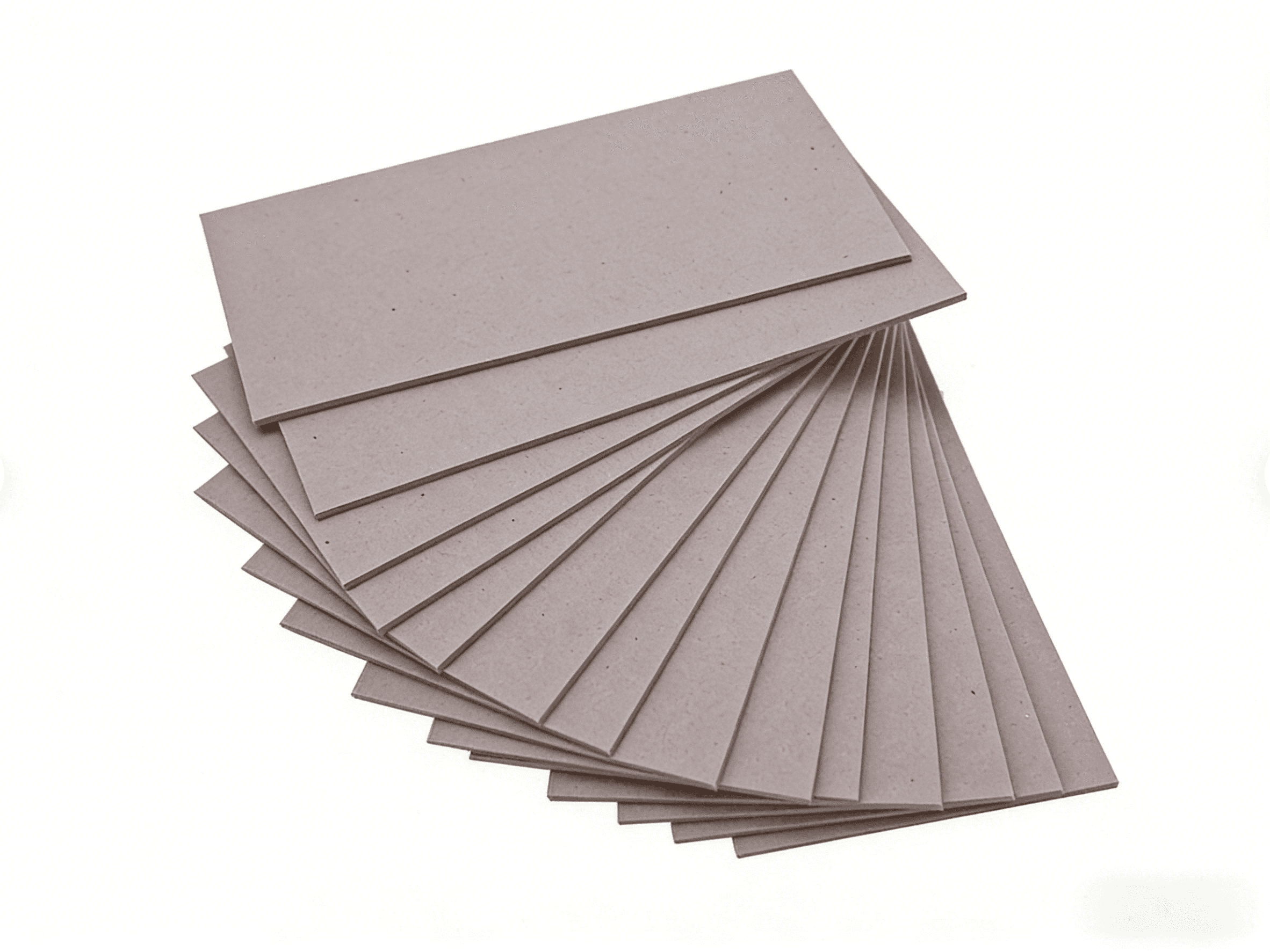
Eco-friendly greyboard solutions for display, books, puzzles, and printed packaging
Applications
Greyboard packaging is widely used across print marketing, display systems, and printed paperboard products where structural stability, print performance, and sustainability are equally important. Beyond retail displays and promotional packaging, greyboard is also commonly applied in puzzles, hardcover books, children’s publications, and educational products—offering a durable, adhesive-friendly, and eco-conscious alternative to plastic-based materials.
Key Steps
- Application-driven structural design Different printed products place different demands on greyboard. Display units require rigidity and flatness, while puzzles and book covers rely on consistent bonding and edge stability. Structural design is adapted to ensure reliable performance across these varied uses.
- Surface preparation for printing and bonding For applications such as puzzles, hardcover books, and children’s reading materials, surface smoothness and adhesive compatibility are essential. Proper surface treatment helps printed layers, laminated papers, and bonded components remain secure over time.
- Sustainability alignment throughout production Material selection and processing are aligned with environmental goals, focusing on recycled content, responsible sourcing, and efficient material use to reduce environmental impact across the product lifecycle.
Materials Used in Print Greyboard Packaging
These key considerations help align greyboard structure, surface performance, and sustainability requirements across a wide range of printed and display-oriented applications.
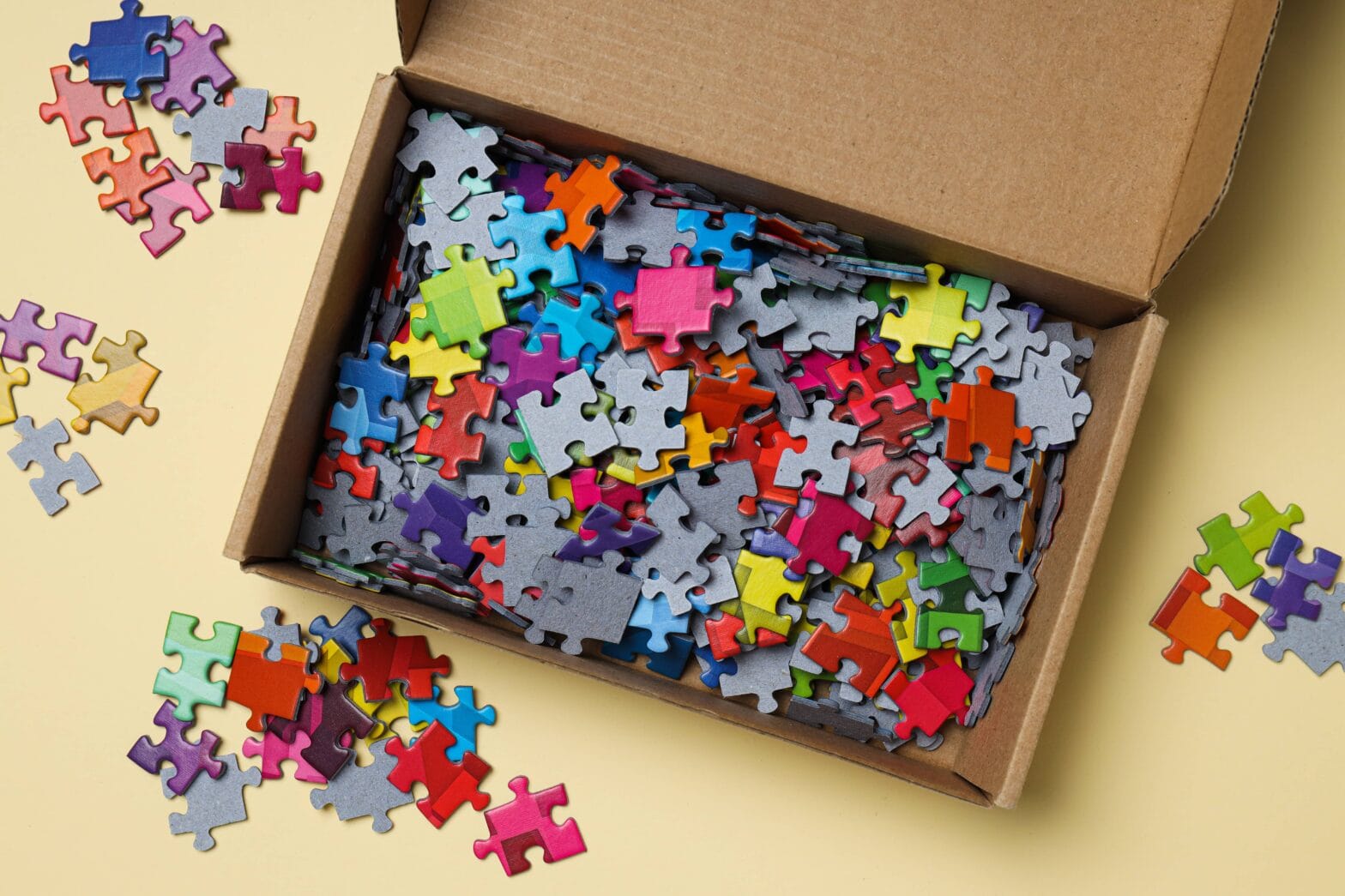
- High-density greyboard cores Dense greyboard provides dimensional stability for display packaging, book covers, and puzzle boards, helping prevent warping and deformation during use.
- Adhesive-friendly paperboard surfaces Carefully prepared surfaces support strong bonding for laminated prints, puzzle layers, and book cover materials, ensuring long-term durability.
- Recycled and FSC-certified greyboard Recycled greyboard reduces reliance on virgin fibers while maintaining consistent strength. FSC certification supports responsible forestry and traceable sourcing.
- Optional laminated or coated layers Laminated surfaces enhance print clarity and surface protection, particularly for marketing displays, children’s products, and frequently handled printed items.
Why Choose Greyboard for Printed and Display Applications
- Versatile across multiple printed products —Greyboard is suitable for retail displays, branded marketing materials, puzzles, hardcover books, and children’s educational products, reducing the need for multiple material types.
- Environmentally responsible by design —Compared with plastic or composite alternatives, greyboard is recyclable, fiber-based, and compatible with circular economy goals.
- Reliable performance in real use—Greyboard maintains shape, bonding strength, and visual quality across transport, handling, display, and repeated use.
- Proven in commercial and publishing projects —Greyboard solutions have been applied in print marketing campaigns as well as publishing and educational products, supporting consistent quality and sustainable positioning.
As a paperboard-based material, greyboard provides a balanced solution for print marketing and display applications, combining structural stability, print compatibility, and environmental responsibility across commercial displays, publishing products, and educational materials.
Are You Ready To Start?
Real Packaging Cases
Explore our client projects with greyboard packaging
FAQ – Print Marketing Greyboard Packaging
Greyboard is a dense paperboard material designed for rigidity and flatness, while cardboard often refers to lighter paperboard or corrugated structures used mainly for shipping. In print marketing and display applications, greyboard is preferred because it offers a smooth surface for printing and laminating and maintains shape during long-term display.
Corrugated cardboard is strong for transport and stacking but is less suitable for printed display products that require flat surfaces and refined appearance. Greyboard is commonly used instead for display boards, book covers, and marketing materials where print quality and visual consistency are important.
Greyboard is widely used for display boards, puzzles, hardcover books, and children’s books because it provides stiffness, flatness, and resistance to bending. These characteristics help products maintain shape during repeated handling and long-term use.
Yes. Compared with regular lightweight cardboard, greyboard offers higher density and rigidity, making it more suitable for display and print applications that require structural stability rather than cushioning or shipping strength.
Recycled greyboard made from certified recycled fibers is commonly used in print marketing and display applications. When combined with laminated or coated surfaces, it provides reliable performance while supporting environmental and sustainability requirements.
Material selection depends on how the product will be displayed, handled, and stored. Greyboard is suitable when flatness, print quality, and shape retention are priorities, while corrugated board is better for shipping-focused applications. Understanding the use scenario helps determine the appropriate paperboard solution.