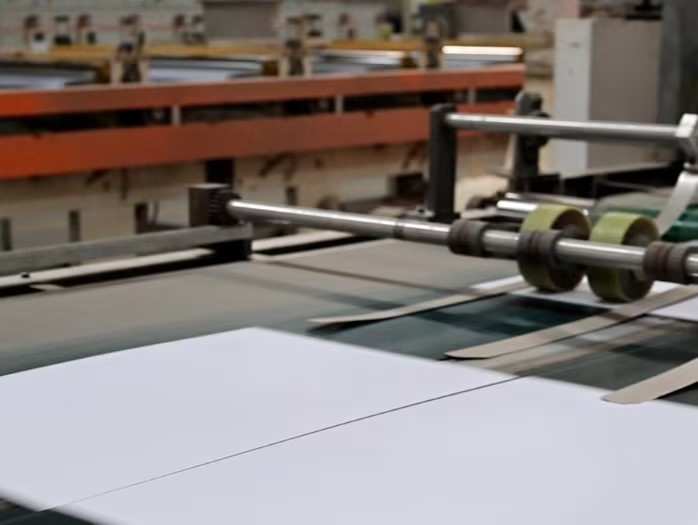
Greyboard Applications Guide for Export Packaging
Introduction: Why Material Choice Matters
Imagine this: a carefully designed cosmetics gift box arrives at an overseas customer’s warehouse. Upon opening, the corners are rounded, the lid has collapsed. The board looked thick enough—so why did it fail?
Or: electronic products stacked in a warehouse for weeks. The boxes at the bottom are crushed, internal dividers deformed, products no longer protected.
These problems often trace back to one decision: did you choose the right greyboard?
Greyboard—a dense, rigid paperboard made primarily from recycled fibers—has become a quiet workhorse in export packaging. From luxury gift boxes to electronics packaging, from cosmetic sets to food containers, greyboard packaging applications are expanding rapidly due to the material’s strength, sustainability, and cost advantages.
According to industry research, the global gray cardboard market was valued at USD 7,320.40 million in 2023 and is projected to reach USD 9,635.25 million by 2032, growing at a CAGR of 3.10% . This growth is driven by e-commerce expansion, demand for sustainable packaging, and tightening regulations on single-use plastics .
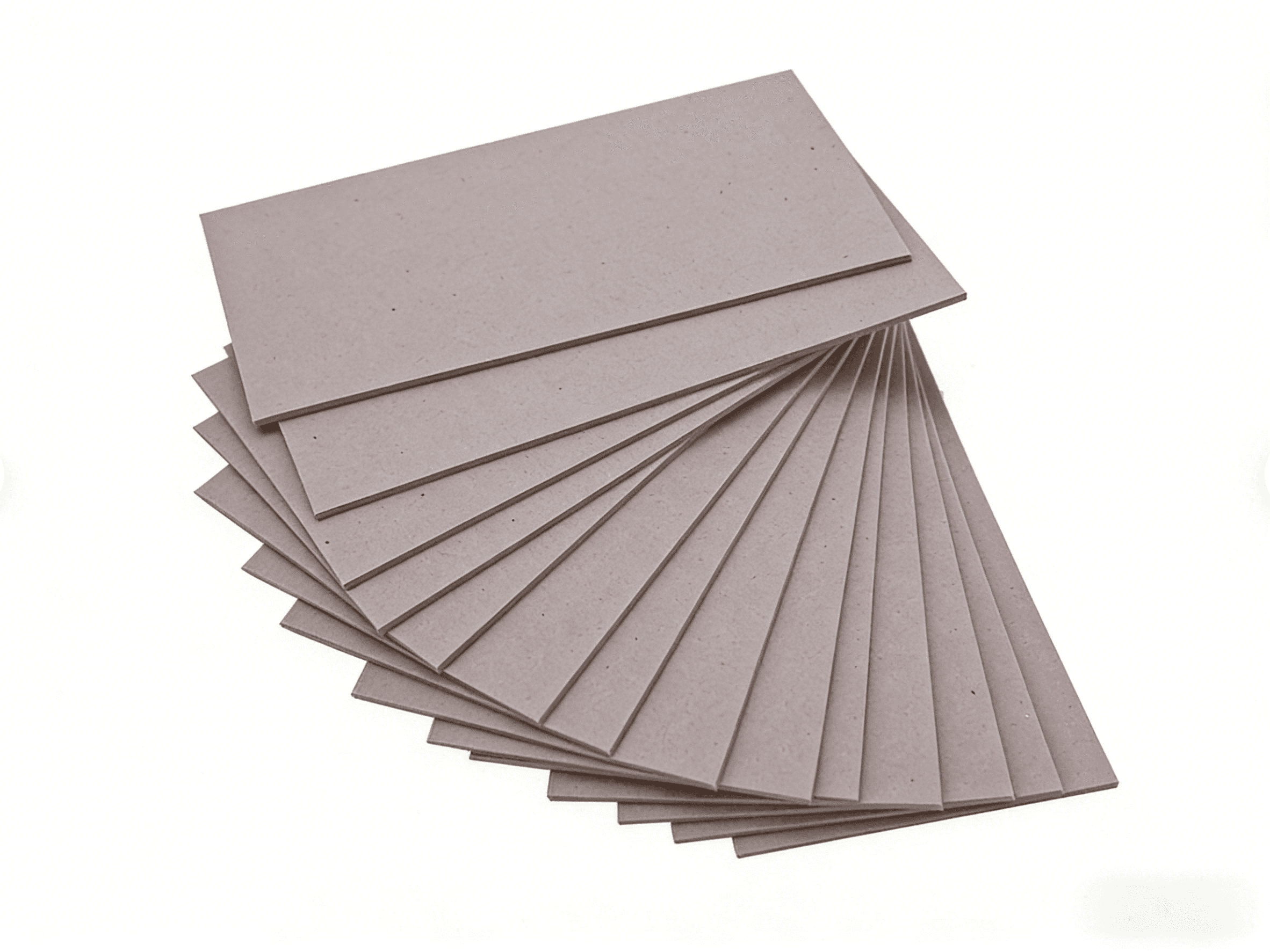
What exactly is greyboard? Also known as gray cardboard or chipboard, it’s a thick, rigid paperboard made from recycled paper, with a dense, compact structure . It’s commonly used for boxes, folders, book covers, and backing panels . Unlike corrugated cardboard, greyboard provides solid, non-fluted rigidity—ideal for applications where structure and appearance matter.
This guide walks through the most common applications and helps you select the right material for your needs.
Want to understand greyboard basics first? Read: What Is Greyboard? A Complete Guide
Table of Contents
- Greyboard in Cosmetics Packaging
- Greyboard in Electronics Packaging
- Greyboard in Gift Boxes
- Greyboard in Food Packaging
- Greyboard in Wine & Spirits Packaging
- Greyboard in Books & Games Packaging
- Frequently Asked Questions (FAQ)
- Final Thoughts & Selection Tips
Greyboard in Cosmetics Packaging
-1024x765.png)
The cosmetics industry demands packaging that delivers three things: premium appearance, product protection, and sustainability. Greyboard delivers on all fronts.
Why Cosmetics Brands Choose Greyboard
First, greyboard offers excellent stiffness. A cosmetic product’s perceived value is closely tied to its packaging—a cream in a flimsy box feels cheap, regardless of what’s inside. Greyboard’s multi-layer fiber construction provides the rigidity needed to maintain crisp edges and sharp corners.
Second, greyboard’s smooth surface accepts a wide range of finishes. By laminating, foil stamping, or embossing, brands can achieve high-end visual effects. Double-side white greyboard can even be printed directly, meeting demanding color reproduction requirements .
Common Cosmetics Applications
| Product Type | Recommended GSM | Thickness Range | Special Requirements |
|---|---|---|---|
| Lipstick Gift Sets | 800-1000 GSM | 1.0-1.5 mm | Foam inserts, precise die-cutting |
| Compact Powder Boxes | 1000-1200 GSM | 1.2-1.8 mm | Magnetic closure, accurate positioning |
| Skincare Sets | 1200-1500 GSM | 1.5-2.0 mm | High load capacity, partitioned compartments |
| Perfume Boxes | 1500+ GSM | 2.0 mm+ | Fixed inserts, cushioning design |
Real-World Example
A global cosmetics brand launching a limited-edition lipstick collection needed packaging that conveyed luxury while controlling costs. They selected 1000 GSM double-side white greyboard, finished with matte lamination and foil-stamped logos. The final boxes delivered substantial feel and strong shelf presence, with customer feedback exceeding expectations.
Selection Tips
When selecting greyboard for cosmetics packaging, consider:
- Surface finish needs: If printing or foil stamping is required, double-side white greyboard is the practical choice
- Weight requirements: Sets with multiple products need higher GSM to support the combined weight
- Insert compatibility: Cosmetics often require custom-shaped inserts—ensure the board cuts cleanly
For more cosmetic packaging examples, read: Greyboard Cosmetics Packaging Guide
Greyboard in Electronics Packaging
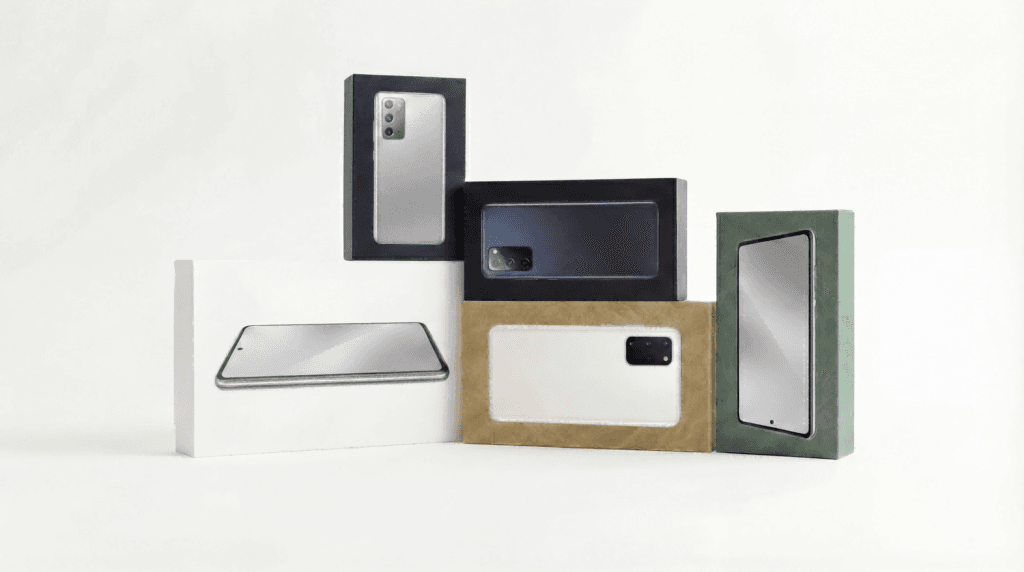
Electronics packaging has one overriding requirement: protection—from shock, compression, and static. How does greyboard perform?
Three Challenges in Electronics Packaging
High-value, fragile electronics demand packaging that addresses:
- Stacking strength: Bottom boxes in warehouses bear enormous pressure
- Internal fixation: Products must not shift during transit
- Regulatory compliance: Export to markets like the EU requires adherence to packaging regulations
Greyboard’s Advantages
High-density greyboard (1200 GSM and above) offers compression strength significantly higher than standard paperboards. For bottom boxes bearing heavy loads, double-wall greyboard (two layers laminated) provides additional security.
Equally important, greyboard’s dimensional stability resists humidity-induced warping. For electronics, this is critical—if the box deforms, internal fixtures fail, and products may be damaged during transport.
Electronics Applications
| Application | Recommended Thickness | Key Considerations |
|---|---|---|
| Smartphone Boxes | 1.2-1.5 mm | Precise die-cutting, tray compatibility |
| Tablet Packaging | 1.5-2.0 mm | Even load distribution, crush resistance |
| Headphone/Accessory Boxes | 1.0-1.2 mm | Compact design, opening experience |
| Projectors/Small Appliances | 2.0-3.0 mm | Foam or vacuum-formed inserts, reinforced corners |
Industry Note
As electronics exports continue growing, requirements for export packaging materials are becoming more stringent. EU regulations increasingly mandate recyclable packaging, and greyboard’s 100% recyclable content makes it an attractive choice .
For more electronics packaging solutions, read: Greyboard Electronics Packaging Design
Greyboard in Gift Boxes
Gift boxes represent perhaps the most classic application for greyboard. From tea and jewelry to chocolates and crafts, greyboard forms the backbone of premium gift packaging.
Why Gift Boxes Prefer Greyboard
Gift packaging must deliver a simple message: “This feels expensive.” Greyboard’s solid hand-feel and excellent workability make it the go-to substrate.
Greyboard accommodates numerous finishing techniques:
- Wrapping: Accepts a wide range of specialty papers and fabrics
- Foil stamping: Logos and patterns gain metallic brilliance
- Embossing: Debossed details add tactile interest
- Magnetic closures: Embedded magnets create satisfying closure
- Die-cut windows: Shapes (round, oval, custom) increase product visibility
Gift Box Selection Guide
| Gift Type | Recommended GSM | Typical Thickness | Finishing Options |
|---|---|---|---|
| Tea Gift Boxes | 1000-1200 GSM | 1.2-1.8 mm | Wrapped specialty paper, foil stamping |
| Jewelry Boxes | 800-1000 GSM | 1.0-1.5 mm | Fabric lining, compact size |
| Craft/Souvenir Sets | 1200-1500 GSM | 1.5-2.0 mm | Lid-bottom box, window cut-outs |
| Premium Gift Sets | 1000-1300 GSM | 1.2-1.8 mm | Book-style box, magnetic clasp |
Case Study: Premium Tea Export Packaging
A tea exporter shipping to Europe experienced persistent issues: after ocean freight, box lids collapsed and corners rounded. Analysis revealed that standard greyboard absorbed moisture during transit, losing stiffness under stacking pressure.
The solution: switch to 1200 GSM high-density double-grey board, add cross-shaped internal supports, and specify board moisture content at 9% (slightly drier than standard). Post-change, deformation rates dropped by over 90%.
For more gift box inspiration, read: Greyboard Gift Box Design Guide
Greyboard in Food Packaging
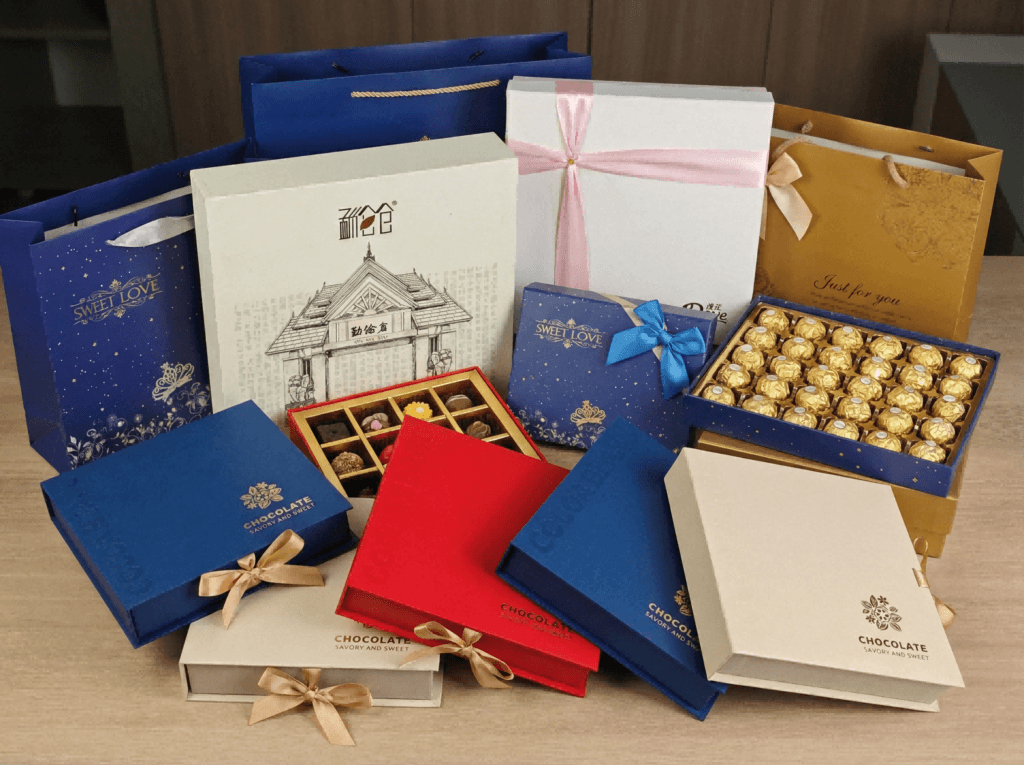
Food packaging imposes strict requirements: food safety, moisture resistance, shelf appeal, and often cold-chain durability. Greyboard adapts to these demands with appropriate treatments.
Food Packaging Requirements
- Food contact safety: Materials must meet FDA or EU food-grade standards
- Moisture resistance: Some applications require barrier coatings
- Display appeal: Food packaging must attract at point of sale
- Recyclability: Food packaging waste faces specific disposal regulations
Food Applications
| Product Type | Recommended GSM | Special Requirements | Example |
|---|---|---|---|
| Chocolate Gift Boxes | 900-1100 GSM | Food-grade liner, partitioned inserts | Truffle assortments |
| Pastry/Cake Boxes | 1200-1500 GSM | Load-bearing, secure closure | Bakery gift packaging |
| Tea Canisters | 1000-1200 GSM | Moisture barrier, airtight seal | Specialty tea sets |
| Gourmet Food Sets | 1000-1300 GSM | Multi-compartment,分层 design | Holiday gift baskets |
Case Example: Chocolate Gift Packaging
A premium chocolate brand needed sustainable, biodegradable packaging for their truffle collection—while maintaining protection and visual appeal. The solution: 1000 GSM greyboard, wrapped in specialty paper, with food-grade paper trays inside, in a pull-out drawer configuration with ribbon pull. The packaging met FSC certification requirements and received strong market response.
Note: When selecting greyboard for direct food contact, ensure the specific grade meets applicable food safety regulations (FDA 21CFR, EU 1935/2004). Most greyboard requires a food-grade barrier layer for direct contact applications .
Greyboard in Wine & Spirits Packaging
Wine and spirits packaging presents unique challenges: heavy bottles, high perceived value, and strong gift orientation.
The Unique Demands of Spirits Packaging
Spirits bottles are heavy—a standard 750ml bottle weighs 1.2-1.5 kg. The packaging must:
- Support this weight during handling and stacking
- Maintain structural integrity throughout distribution
- Convey premium quality appropriate to the product’s price point
- Accommodate closures, pourers, or accessories
Spirits Packaging Specifications
| Application | Recommended GSM | Thickness | Special Features |
|---|---|---|---|
| Single Bottle (750ml) | 1500-2000 GSM | 2.0-3.0 mm | Foam or EVA inserts, bottle fixation |
| Double Bottle Sets | 1800-2500 GSM | 2.5-3.5 mm | Partitioned compartments, reinforced base |
| Gift Sets with Accessories | 1500-2000 GSM | 2.0-3.0 mm | Multiple cavities, accessory storage |
| Presentation Boxes | 1200-1800 GSM | 1.8-2.5 mm | Window designs, ribbon lifts |
Industry Context
The spirits packaging sector increasingly demands sustainable materials. Greyboard, with its high recycled content and full recyclability, aligns with both regulatory trends and consumer preferences for eco-conscious premium packaging .
Greyboard in Books & Games Packaging
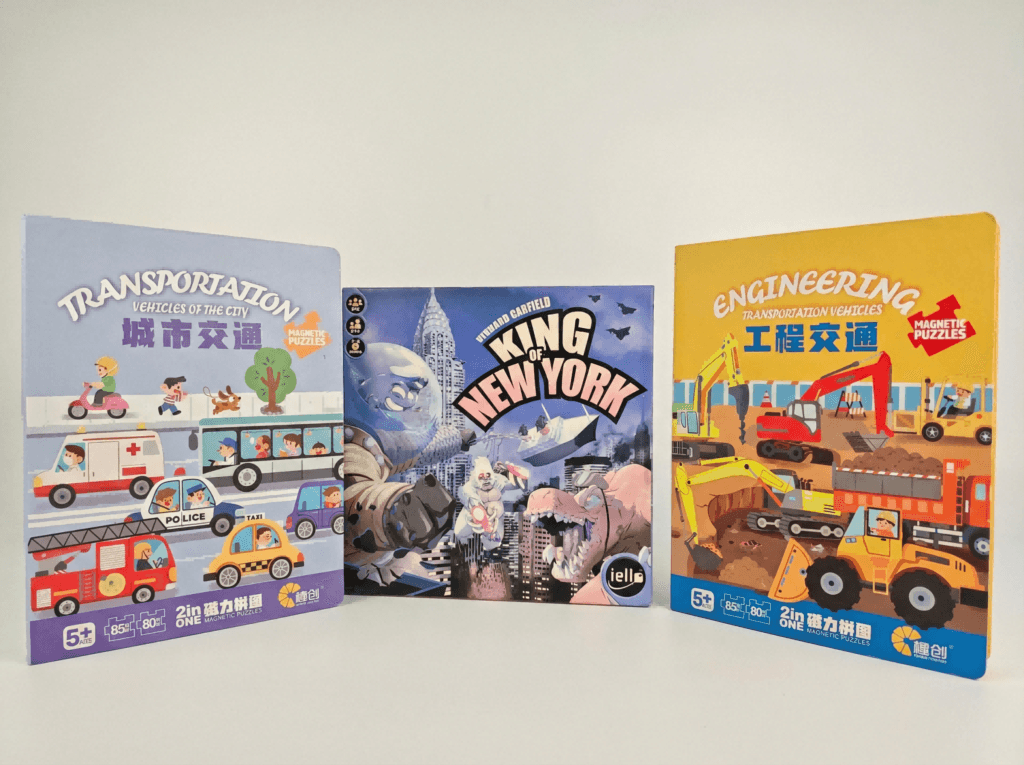
Books and games prioritize durability, flatness, and precision. Greyboard is the standard material for these applications.
Key Requirements
- Hardcover books: Covers must withstand repeated opening/closing
- Board games: Boxes bear significant weight from components
- Puzzles: Rigidity prevents piece deformation during storage
Books & Games Applications
| Product Type | Recommended GSM | Typical Thickness | Process Requirements |
|---|---|---|---|
| Hardcover Book Covers | 1000-1500 GSM | 1.5-2.0 mm | Clean edge-wrapping, accurate scoring |
| Board Game Main Boxes | 1200-1800 GSM | 1.8-2.5 mm | High load capacity, tight-fitting lid |
| Puzzle Boxes | 1000-1500 GSM | 1.5-2.0 mm | Internal fixation, crush protection |
| Card Storage Boxes | 800-1200 GSM | 1.0-1.8 mm | Internal dividers, portable design |
DIY Context
In the hobbyist market, 1.5mm greyboard is commonly used for custom game box construction, wrapped with adhesive paper or printed wraps. These DIY boxes, while costing approximately $18 for 40 sheets, provide sufficient durability to protect cards and components .
Frequently Asked Questions (FAQ)
Greyboard is widely used in gift boxes, cosmetics packaging, electronics packaging, wine boxes, book covers, folders, puzzles, and board games. It serves as a structural material providing rigidity and protection .
Yes. Greyboard is made from multiple layers of compressed recycled fibers, offering excellent stiffness and compression strength. High-density greyboard (1200 GSM and above) can bear significant loads, making it suitable for heavy or fragile items .
Greyboard is a specific type of paperboard—a dense, multi-layer board with a characteristic grey color, made primarily from recycled paper. “Paperboard” is a broader category that includes greyboard, white board, corrugated board, and other paper-based rigid materials .
Yes. Greyboard is typically made from 100% recycled fibers and is itself fully recyclable . It can be FSC-certified, ensuring responsible sourcing . However, greyboard with certain coatings or foil laminations may not be recyclable in all facilities—check local guidelines .
Greyboard has several limitations:
Moisture sensitivity: Like all paper products, it absorbs humidity, which reduces stiffness. Studies show strength drops significantly above 80% relative humidity .
Printability: The natural grey surface requires lamination or wrapping for high-quality color printing .
Weight: High-density greyboard is heavier than some alternatives, which may affect shipping costs.
Double grey board refers to greyboard that is grey on both sides, with a grey core throughout. This contrasts with single grey (one side white, one side grey) or all grey (consistent throughout). Double grey offers good rigidity and is suitable for applications where both sides may be visible .
Yes, in most contexts, “greyboard” and “chipboard” refer to the same material—a recycled paperboard with a grey appearance. “Chipboard” is more commonly used in North America, while “greyboard” is preferred in Europe and Asia .
Greyboard is available in a wide GSM range, from 250 GSM to over 2000 GSM. Common applications include:
250-600 GSM: Liners, dividers, lightweight small boxes
600-1200 GSM: Shoeboxes, gift boxes, cosmetic packaging
1200+ GSM: Premium liquor boxes, industrial packaging, load-bearing structures
Final Thoughts & Selection Tips
Greyboard packaging applications extend far beyond what most imagine—from delicate cosmetic compacts to heavy spirits bottles, from children’s board games to export-ready electronics packaging. Greyboard’s combination of strength, sustainability, and cost effectiveness makes it an increasingly popular choice across industries.
Key Takeaways
- Cosmetics packaging: Focus on surface finish and perceived quality; 800-1200 GSM covers most applications
- Electronics packaging: Prioritize protection and compression strength; 1200 GSM+ is the safe zone
- Gift boxes: Leverage greyboard’s workability for premium finishes and memorable unboxing experiences
- Food packaging: Ensure food safety compliance; barrier coatings may be necessary
- Wine & spirits: Heavy bottles require 1500 GSM+ and reinforced structures
- Books & games: 1000-1500 GSM suits most applications; precision cutting matters
When selecting greyboard, resist the temptation to simply choose the thickest option. Match the specification to your actual requirements: product weight, shipping environment, display expectations, and sustainability goals.
Need help selecting the right greyboard for your application? Contact us for samples and technical consultation. We can recommend specific grades based on your product and distribution requirements.
For more technical details on GSM and thickness, read: Cardboard GSM & Thickness Guide
References:
Paperboard Types and Applications Guide
Gray Cardboard Market, Global Outlook and Forecast 2025-2032
Limehouse Board Mills Presentation Box Board Specifications
LEIPA Greyboard Technical Specifications
KOHLSCHEIN Greyboard Product Information
Author Profile

-
HONGTUSCENERY is a professional manufacturer of composite paperboard,
providing sustainable and customized packaging solutions for global brands.
With nearly 20 years of industry experience, we focus on material performance,
structural strength, and green supply chain development.
Latest entries
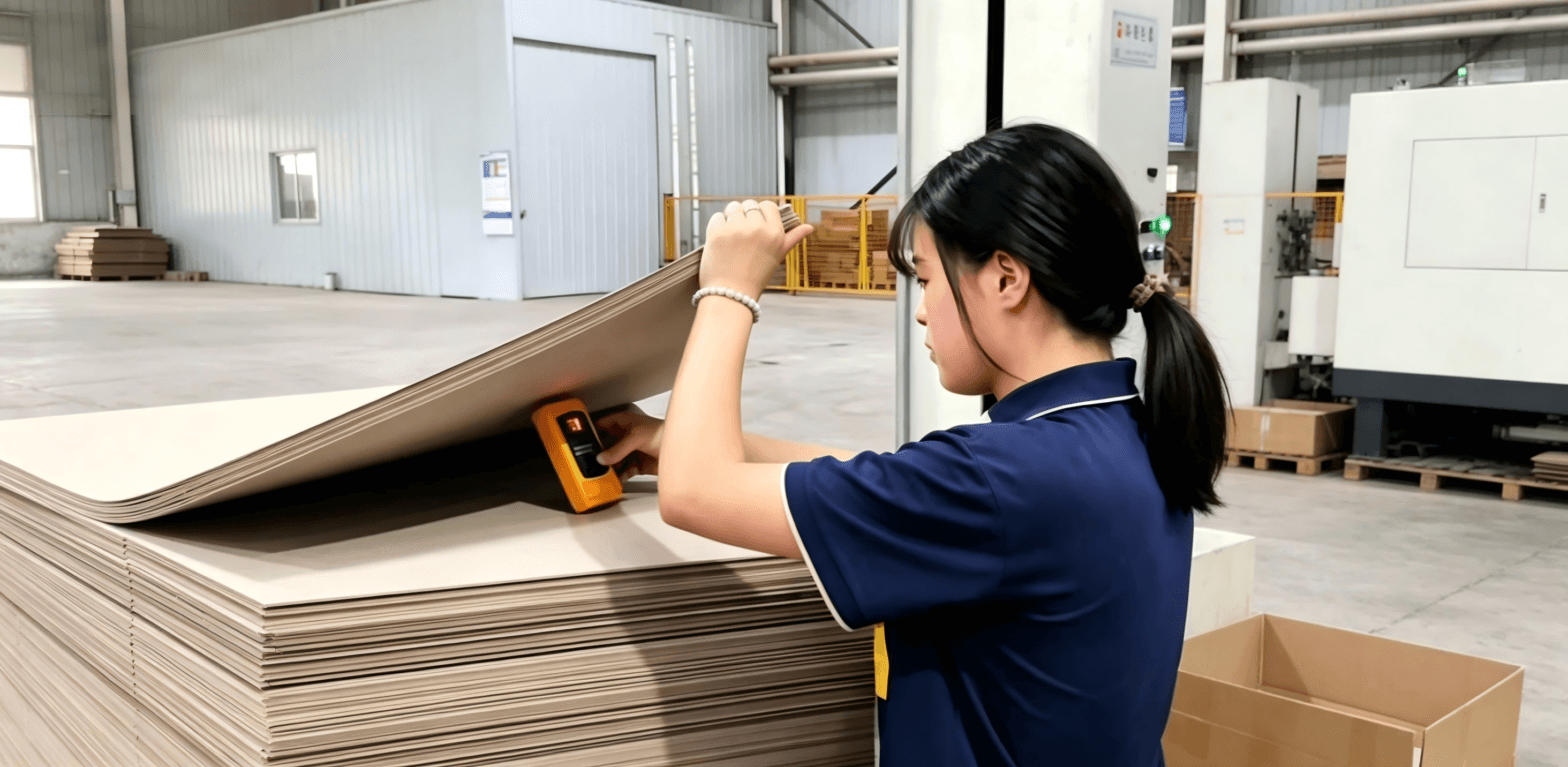 Cosmetics Packaging2026-04-10How to Avoid Quality Issues in Cosmetic Rigid Box Production
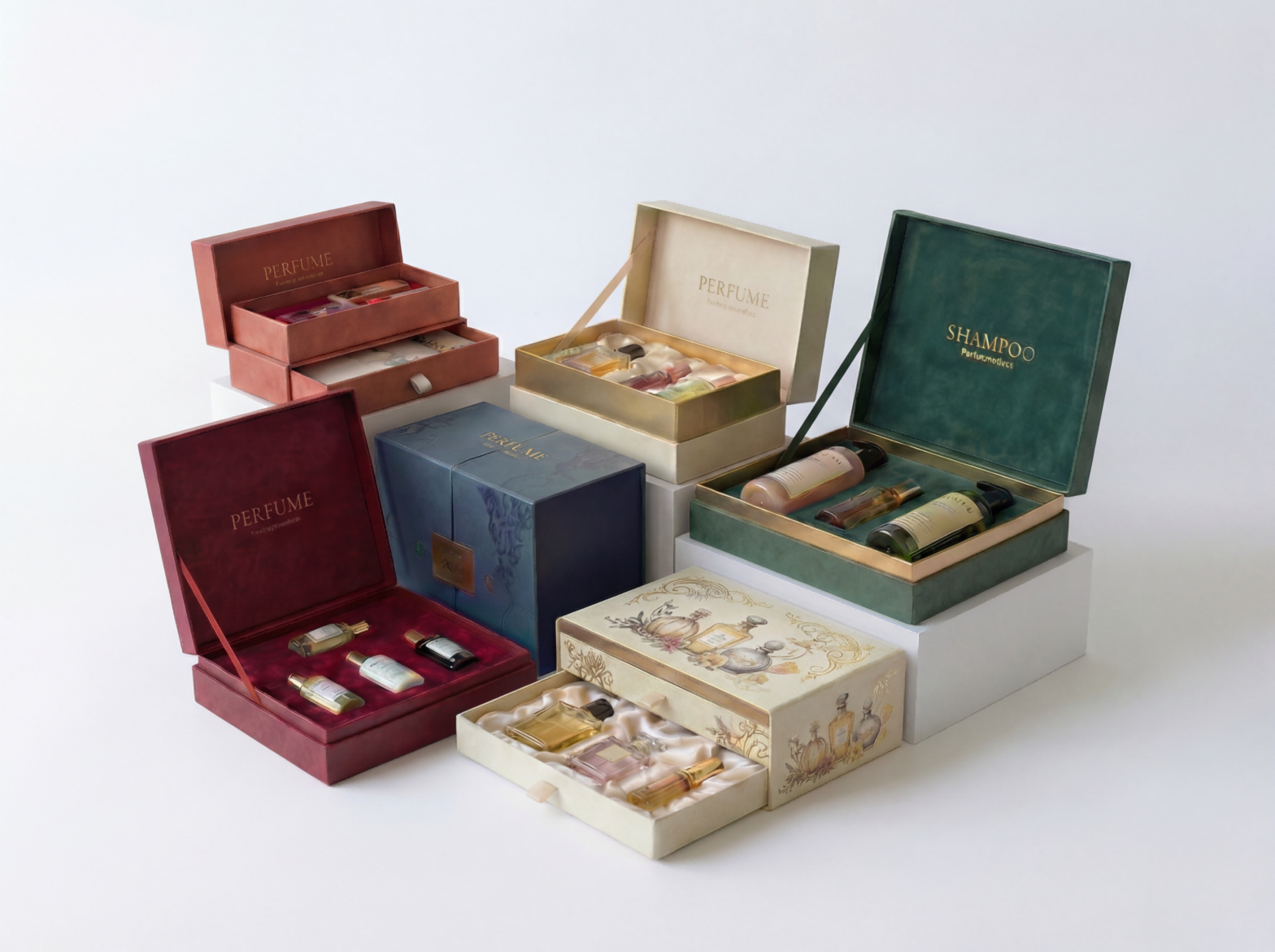 Cosmetics Packaging2026-04-08How Packaging Suppliers Win Skincare Brands with Grey Board
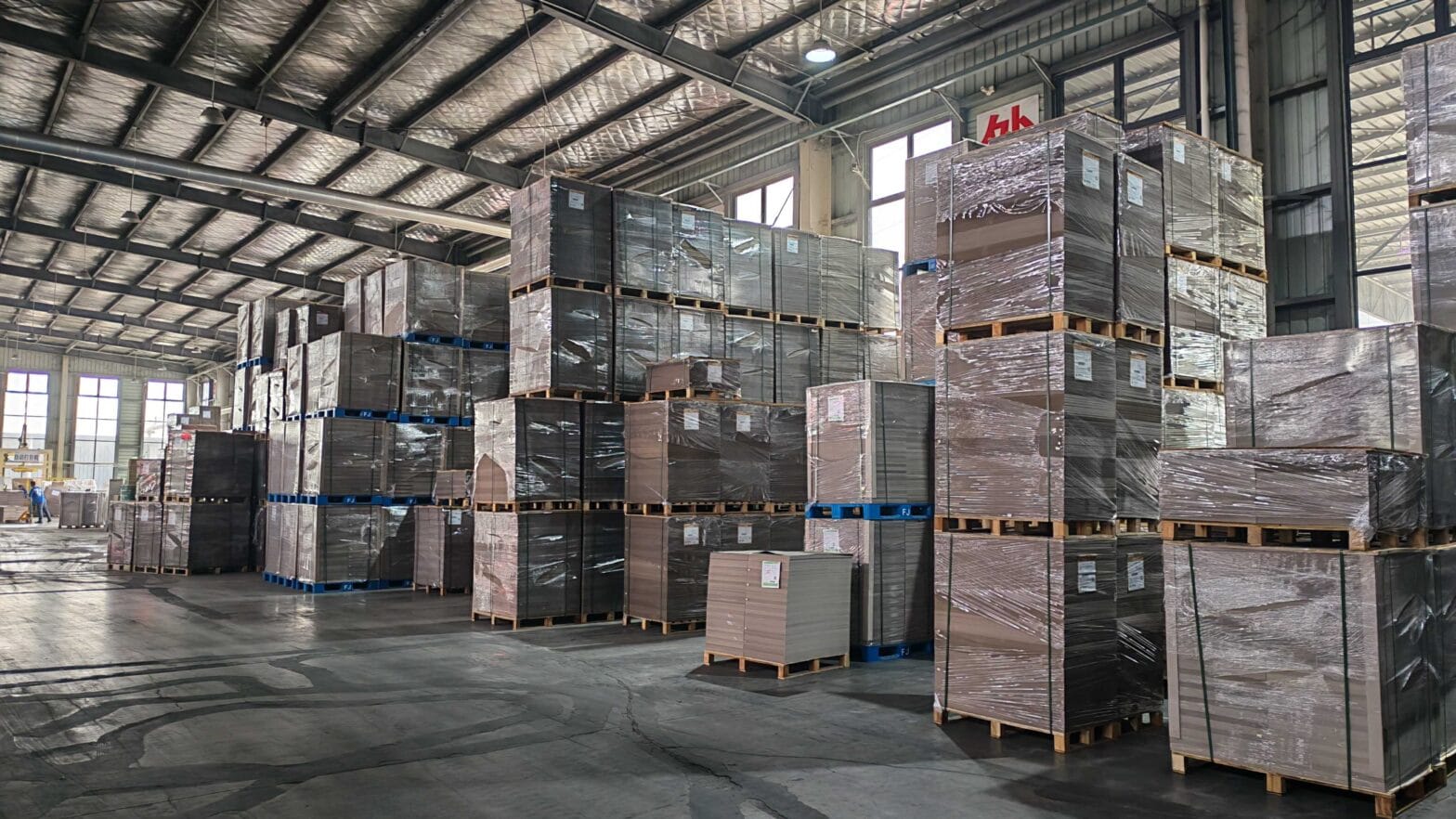 Cosmetics Packaging2026-04-08Grey Board Bulk Purchasing Guide: A Must-Read for Skincare Packaging Suppliers
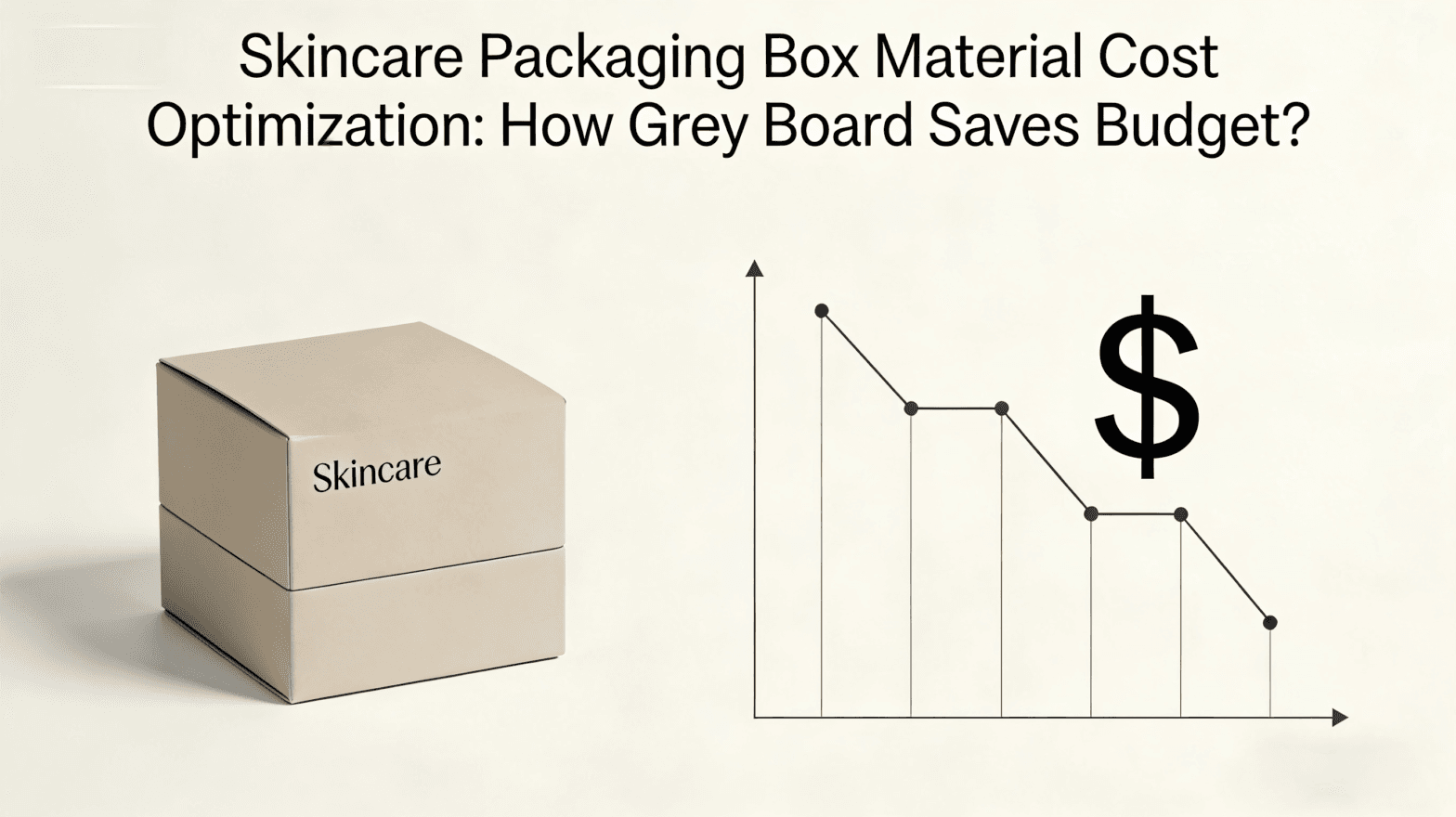 Cosmetics Packaging2026-04-06Skincare Packaging Box Material Cost Optimization: How Grey Board Saves Budget?