Greyboard Thickness Selection for Export Boxes
In international trade and export packaging, selecting the right greyboard thickness is crucial. Many brands focus only on aesthetics and cost when designing gift boxes or shipping cartons, often overlooking how greyboard thickness affects packaging strength, transport safety, and customer experience. Using boards that are too thin may lead to deformation or breakage during shipment, increasing returns and damage costs. Conversely, boards that are too thick raise material costs and shipping weight.
This guide helps businesses determine the optimal paperboard thickness for export packaging. It covers technical aspects of paperboard thickness, the relationship between thickness and packaging strength, and practical selection guidelines. Real-world examples illustrate how to balance packaging strength, cost, and aesthetics in various export scenarios.
Readers will learn how different GSM values translate into actual board thickness, how to choose suitable boards based on product type, shipping method, and stacking requirements, and how to implement solutions that protect goods without unnecessary costs.
Table of Contents
- Understanding Greyboard Thickness
- How Thickness Affects Packaging Strength
- Thickness Selection Guide
- Case Examples
For additional industry insights, see What Is Greyboard and How It’s Used in Packaging.
Understanding Greyboard Thickness
Greyboard Basics and Thickness Ranges
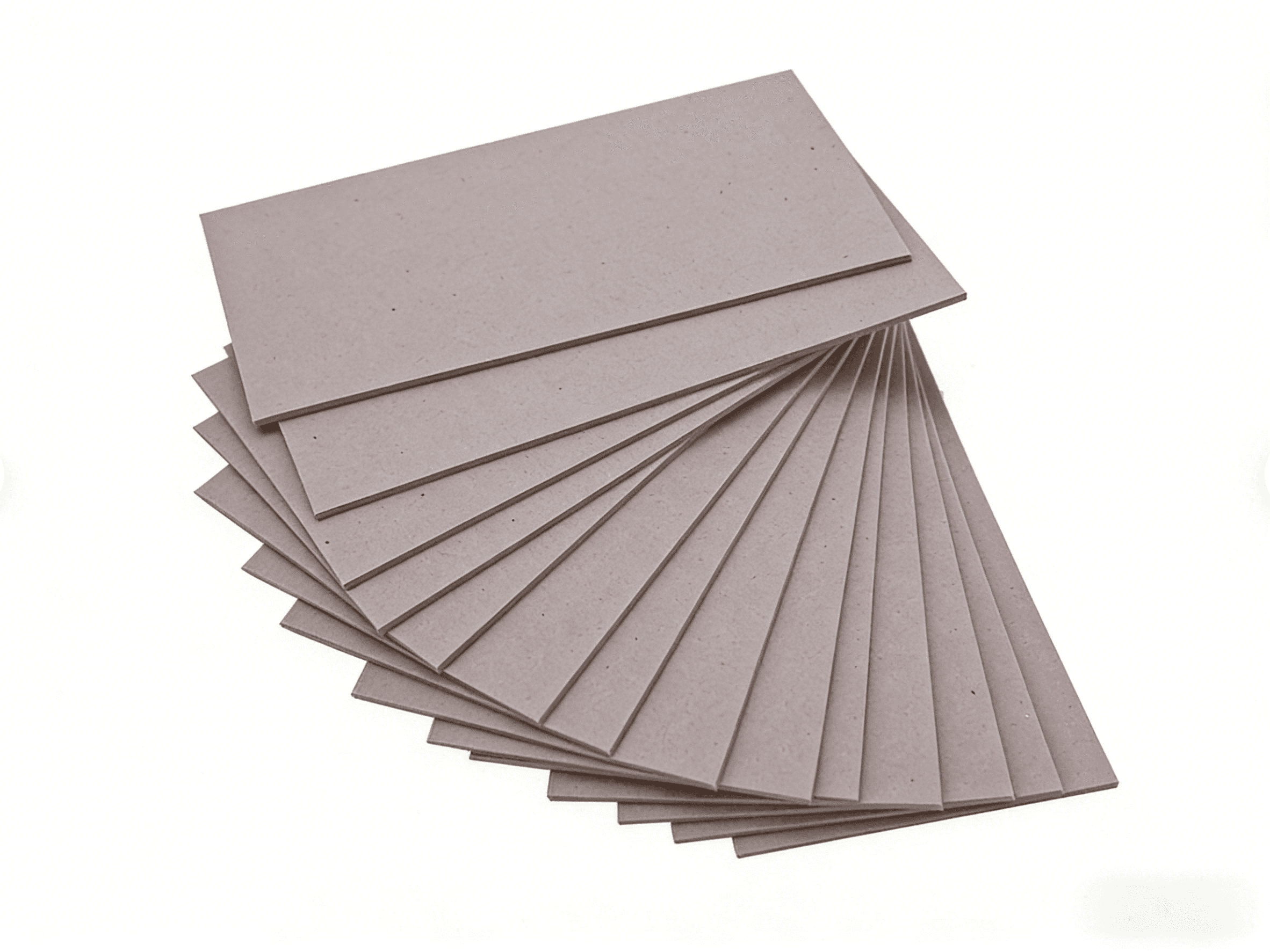
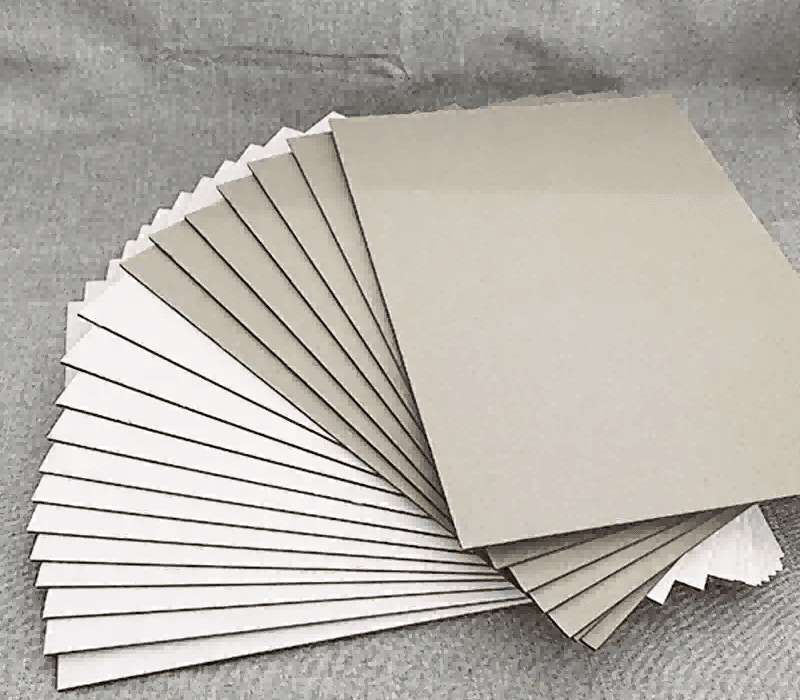
Greyboard is a thick paperboard made from recycled fibers, widely used for gift boxes, export cartons, and book covers. Thickness is measured in mm or GSM (grams per square meter), directly influencing rigidity and load-bearing capacity. For official material specifications, see ISO 536:2012 Paper and Board – Determination of Grammage
Common greyboard thicknesses include:
| GSM | Thickness (mm) | Application |
|---|---|---|
| 800 | 1.2 mm | Gift boxes, light packaging |
| 1000 | 1.5 mm | Premium gift boxes, book covers |
| 1200 | 1.8 mm | Heavy gift boxes, export packaging |
| 1500 | 2.0 mm | Industrial packaging, heavy goods |
Frequently Asked Questions
- What thickness does greyboard come in?
Greyboard ranges from 0.8 mm to 2 mm, depending on GSM. - Is chipboard the same as greyboard?
Chipboard is a lower-cost form of greyboard, but standard greyboard emphasizes consistent thickness and smoother surfaces.
Understanding these basics helps businesses estimate suitability and prepare for strength testing before production.
How Thickness Affects Packaging Strength
Greyboard thickness has a direct impact on packaging strength: thicker boards provide higher bending resistance and compression strength, but also increase weight and material cost.
Strength Guidelines
- Light boards (<1000 GSM): Suitable for single bottles or lightweight gift boxes; stacking weight 3–5 kg.
- Medium boards (1000–1200 GSM): Suitable for medium-sized gift boxes; stacking weight 5–10 kg.
- Heavy boards (>1200 GSM): Ideal for export cartons or heavy items; stacking weight 15 kg or more.
Industry advice: Choose thickness according to shipping method (air or sea) and product weight to avoid deformation or damage. For detailed technical reference, see Composite Cardboard Guide.
Practical Examples
- Wine gift boxes: 1200 GSM (1.8 mm) supports a 750 ml bottle and multi-layer stacking.
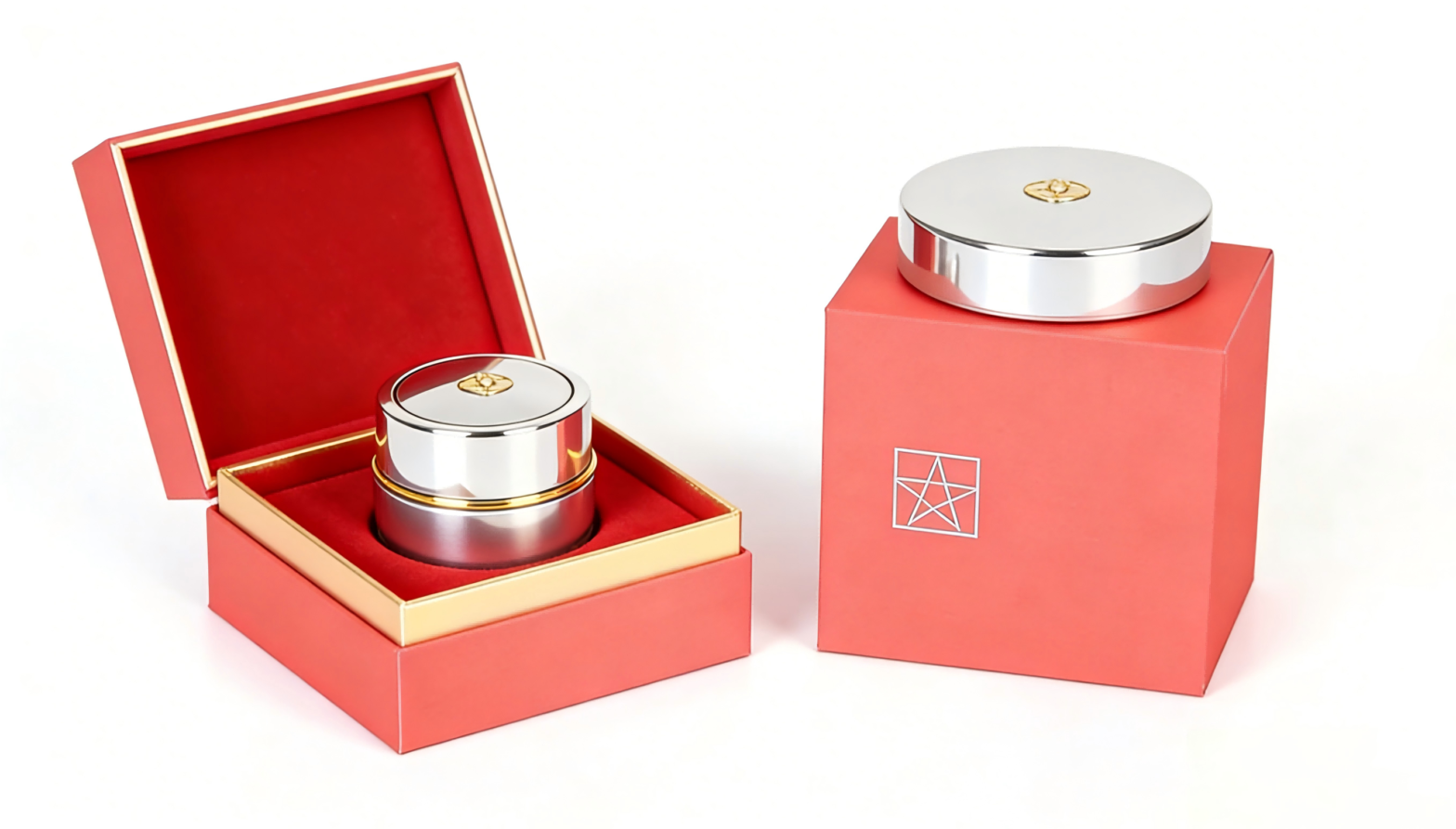
- Cosmetic gift sets: 1000 GSM (1.5 mm) balances aesthetics and shipping efficiency.
Thickness Selection Guide
Consider the following factors when selecting greyboard thickness:
- Product weight and size
- Small/light items: 800–1000 GSM
- Medium/multi-piece sets: 1000–1200 GSM
- Heavy/export packaging: >1200 GSM
- Shipping method and stacking
- Air transport: slightly thinner boards can reduce weight
- Sea transport: thicker boards are needed to resist stacking pressure and humidity
- Aesthetics and printability
- Premium gift boxes: smooth, uniform thickness to support lamination and printing
- Industrial packaging: focus on strength rather than surface decoration
Industry Recommendations
- Export gift boxes should generally not be thinner than 1000 GSM.
- For multi-layer stacking, slightly increasing board thickness significantly improves compression resistance.
Case Examples
Case 1: Export Cosmetic Set
- Product: 3-piece skincare set
- Packaging requirement: crush protection, high-quality print surface
- Selected greyboard: 1000 GSM (1.5 mm)
- Result: No shipping damage; premium feel maintained
Case 2: Wine Export Box
- Product: Single-bottle red wine box
- Shipping: Sea transport, multi-layer stacking
- Selected greyboard: 1200 GSM (1.8 mm)
- Result: Boxes passed stacking tests; reduced need for secondary packaging
FAQ
A1: 1200 GSM greyboard is approximately 1.8 mm thick, suitable for heavy gift boxes and export packaging.
A2: 300 GSM board is thicker than 200 GSM, offering higher bending strength and stacking capacity.
A3: Use a straight knife, die cutter, or laser cutter to achieve clean edges without damaging layers.
A4: 100 lb paper is thicker than 80 lb, typically used for covers or premium packaging.
A5: Chipboard is a lower-cost form of greyboard, often with slightly less consistent thickness and surface finish.
Conclusion & Soft CTA
Selecting the right greyboard thickness is essential to protect products, reduce transport risks, and enhance customer experience. By considering product weight, shipping method, and print/lamination requirements, businesses can optimize packaging efficiency and cost.
For detailed greyboard selection charts or personalized advice, visit Prevent Packaging Deformation or contact us to let experts guide you to the optimal solution.
Author Profile

-
HONGTUSCENERY is a professional manufacturer of composite paperboard,
providing sustainable and customized packaging solutions for global brands.
With nearly 20 years of industry experience, we focus on material performance,
structural strength, and green supply chain development.
Latest entries
 Cosmetics Packaging2026-04-03Grey Board for Cream Gift Box: Benefits for Premium Packaging
 Cosmetics Packaging2026-04-01Skincare Packaging Box Material Comparison
 Cosmetics Packaging2026-03-31How to Choose Materials for Skincare Packaging Boxes: A Practical Guide for Brand Procurement
 Cosmetics Packaging2026-03-26Common Issues and Solutions for Skincare Secondary Packaging Boxes