Cardboard GSM & Thickness: The Ultimate Guide for Smart Packaging Choices
Every procurement specialist or designer faces the same challenge: why do some cardboard boxes crush easily while others survive long journeys intact? The answer lies in two key numbers: cardboard GSM and thickness.
Choose the wrong GSM, and you’ll face product damage, skyrocketing shipping costs, and unhappy customers. As a professional B2B packaging material supplier, we get questions every day like: “How thick is 400gsm cardboard?” or “Should I choose 300gsm or 400gsm for gift boxes?”
This practical guide will walk you through everything you need to know about cardboard GSM and thickness. We’ll keep it simple and actionable, helping you make the smartest, most cost-effective choice for your business.
What’s inside:
- What is Cardboard GSM? (Core Concept Explained)
- GSM vs. Thickness: A Quick Comparison Chart
- 200g vs 300g vs 400g: Which One is Right for You?
- Industry Selection Guide: Food, Electronics, Gifts & More
- Top 5 Questions Buyers Ask About Cardboard GSM
- Get Your Custom Solution
What is Cardboard GSM? (Don’t Fall for the “Heavier = Thicker” Trap)
GSM stands for Grams per Square Meter. It’s the international standard for measuring the weight of paper and paperboard (ISO 536:2019). Think of it as the cardboard’s “density.”
Important: Higher GSM does NOT always mean thicker cardboard!
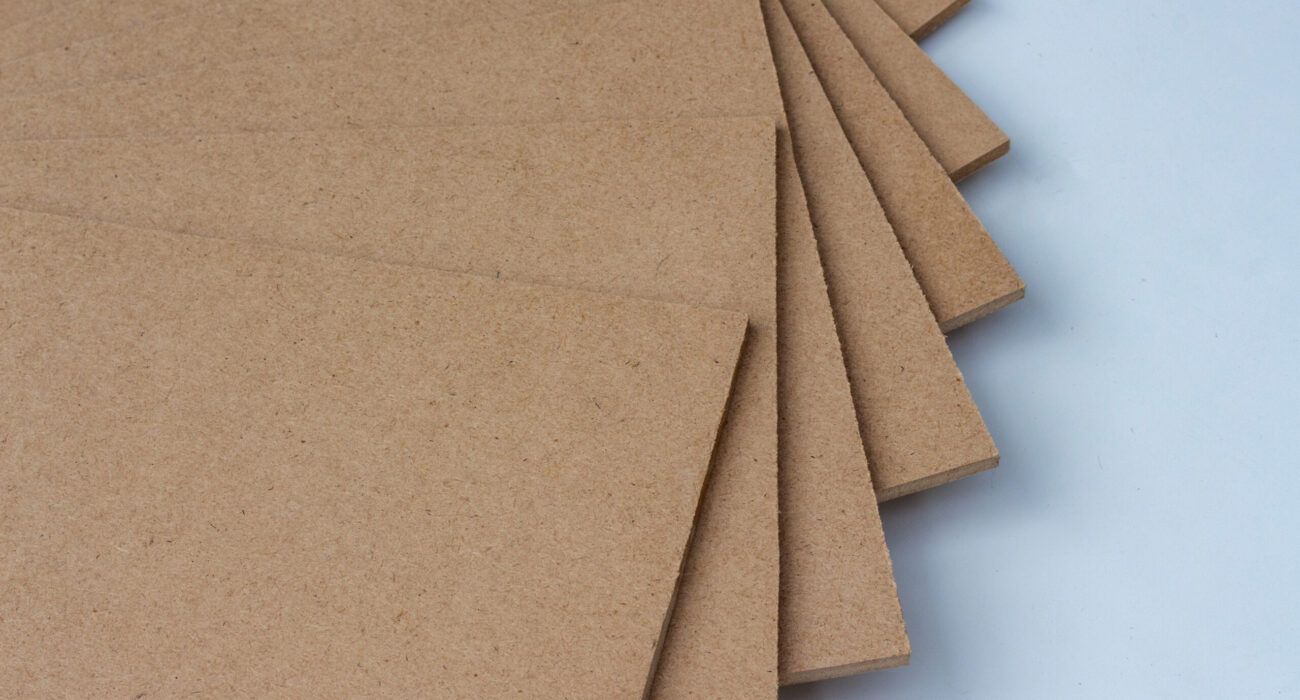
This is a common misconception. The actual thickness of cardboard (usually measured in millimeters or points “pt”) depends on more than just weight:
- Layer structure: Is it single-layer or multi-layer composite?
- Fiber type and quality: Virgin pulp or recycled fiber?
- Production process: How tightly is it pressed?
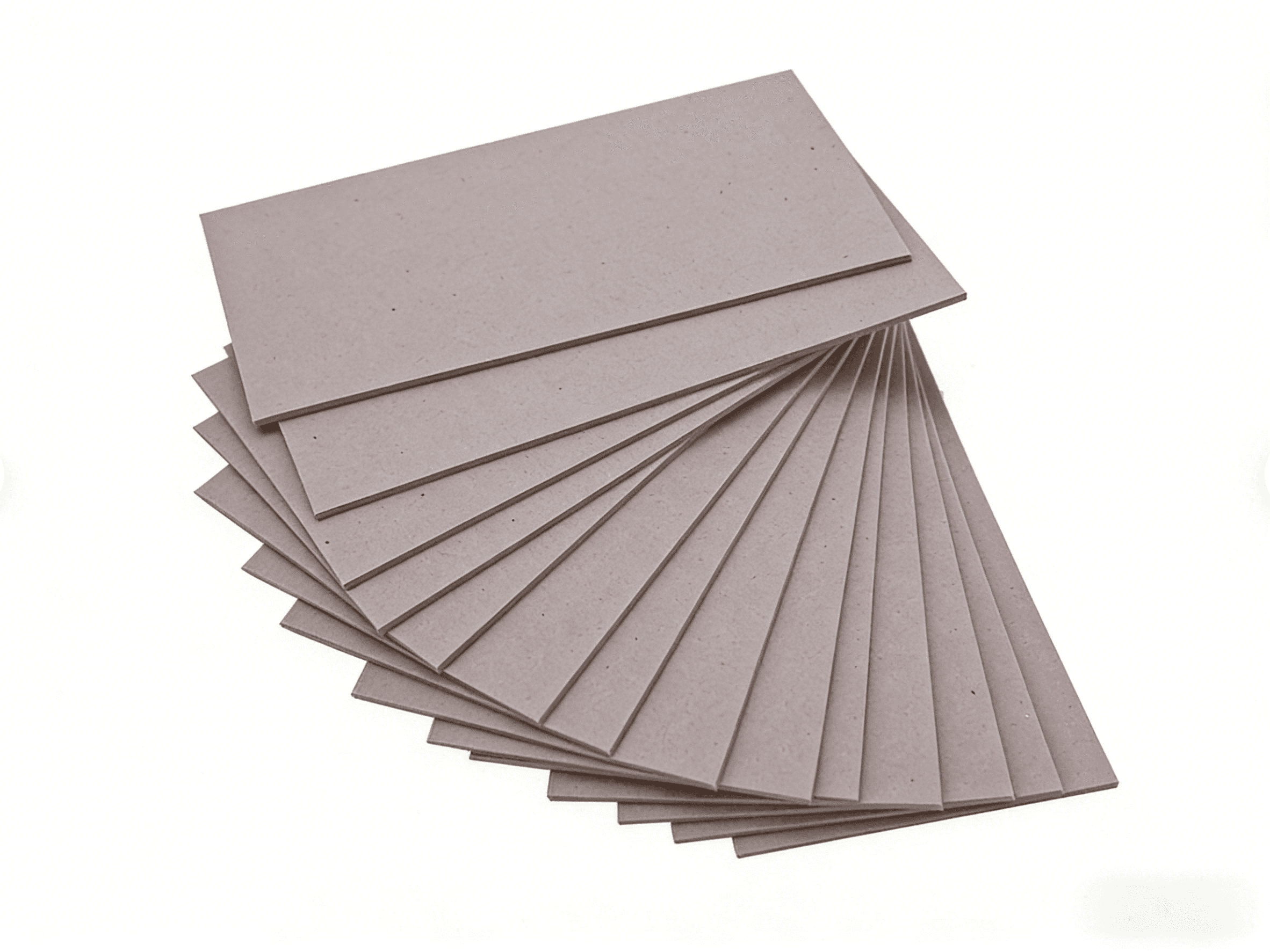
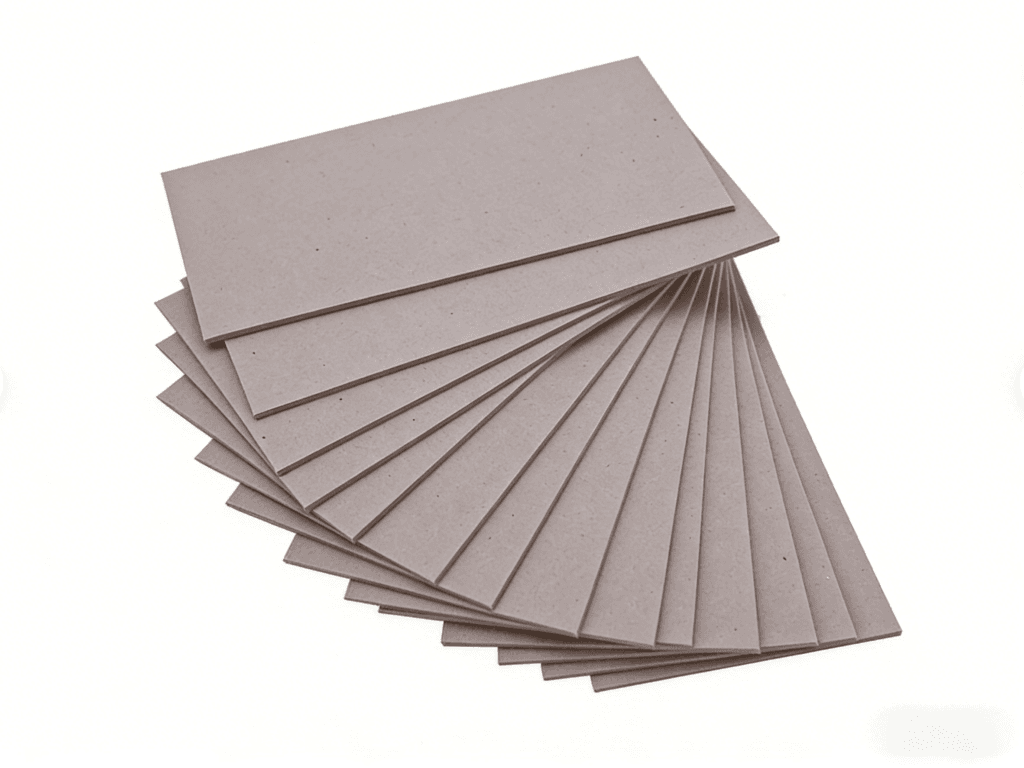
For example: Two pieces of 300gsm cardboard can feel very different. One is a high-quality, multi-layer pressed [greyboard], while the other is a simple single-layer board. The former will be noticeably thicker and stiffer. This means that in B2B bulk purchasing, you can often achieve the same protection with a slightly lower GSM by choosing higher quality, better-structured cardboard—saving costs without compromising performance.
According to international standard ISO 534, cardboard thickness measurement follows strict specifications. Based on GSM, we typically classify cardboard into three categories:
- Low GSM (120–200g): Thin and lightweight. Suitable for applications with low strength requirements, such as brochures, shopping bags, and product wrapping paper.
- Medium GSM (300–500g): The “sweet spot” for B2B packaging. Combines stiffness and quality without adding excessive shipping weight. Ideal for gift boxes, cosmetic boxes, and electronic inserts.
- High GSM (600g and above): Heavy-duty protection. Used for industrial parts, valuable electronics, and luxury gift boxes where strength is paramount.
[Explore Our Greyboard Product Series] – We offer high-quality greyboard from 300g to 1800g with consistent thickness and reliable strength.
GSM vs. Thickness: A Quick Comparison Chart
Understanding the actual thickness corresponding to different GSM values helps you control costs and avoid design errors. Based on industry standard data, the relationship between GSM and thickness is as follows:
| GSM | Typical Thickness Range (mm) | Key Advantages | Best Applications | B2B Purchasing Advice |
|---|---|---|---|---|
| 200g | 0.3 – 0.5 mm | Lightweight, low cost | Inner liners, dividers, lightweight shopping bags | Suitable for minimal packaging or as auxiliary material |
| 300g | 0.5 – 0.8 mm | High cost-performance, good stiffness | Standard gift boxes, cosmetic boxes, hang tags | Entry-level choice for most lightweight product packaging |
| 400g | 0.8 – 1.2 mm | Sturdy, premium feel | High-end gift boxes, electronics packaging, book covers | Ideal for applications requiring good protection and a premium touch |
Note: The thickness data above is based on industry standards. For precise thickness measurement methods, refer to ISO 534:2011.
200g vs 300g vs 400g: Which One Do You Need?
These three GSM options are the most common in B2B procurement. Your final choice depends on three factors: What are you packaging? How heavy is it? How far will it travel?
- 200g cardboard: If your product already has rigid outer packaging (like a metal tin) and only needs a thin sleeve, or if you’re making lightweight promotional shopping bags, 200g is an economical choice. However, it provides almost no structural protection.
- 300g cardboard: This is the starting point for most mid-to-high-end gift boxes and cosmetic boxes. It’s stiff enough to support the box structure while perfectly showcasing finishing techniques like foil stamping and embossing—an excellent balance of quality and cost.
- 400g cardboard: When your product has some weight (like a wine bottle), the box structure is complex (such as magnetic closure window boxes), or you need a stronger “premium feel,” choose 400g. It provides greater structural strength, ensuring your packaging won’t deform during shipping and display, effectively [preventing packaging deformation](internal link: Prevent Packaging Deformation).
👉 If you’re struggling with packaging deformation issues, our professional guide “Prevent Packaging Deformation” provides detailed solutions and prevention tips. Click to read more.
Best GSM for Different Industries: Food, Electronics, Gifts & More
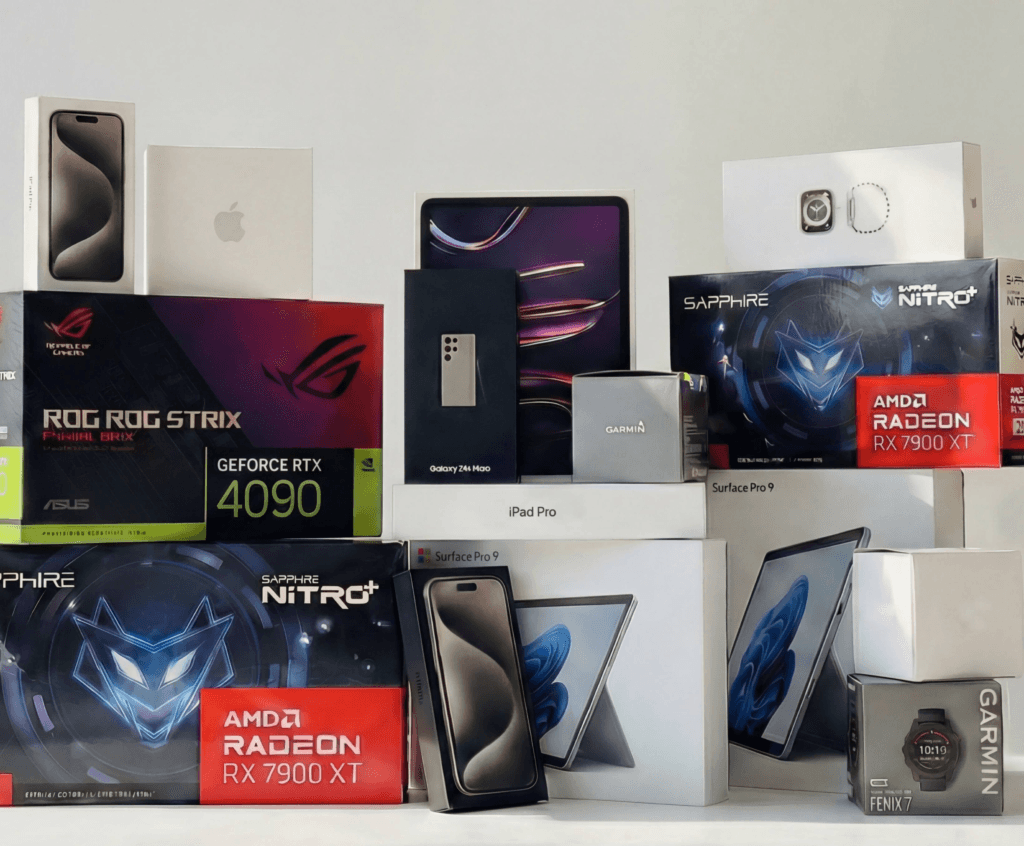
- Electronics Packaging (Recommended 400–600g): Protection comes first! Products like phones and headphones are valuable and fragile. High-GSM cardboard effectively resists pressure and reduces shipping damage. Many brands choose 500-600g multi-layer composite boards or [composite cardboard](internal link: Composite Cardboard Guide)—slightly higher cost, but effective protection for brand reputation.
- Food Packaging (Recommended 300–500g): Safety and sustainability are the bottom line. Always choose food-grade cardboard. For dry goods like cookies, 300-350g is usually sufficient. For oily or moist foods like pastries, choose 400-500g with oil-resistant and moisture-resistant coatings to ensure food safety and package integrity.
- Gift Packaging (Recommended 300–400g): Feel and finish are key. 300g is the standard starting point. For heavier gifts or unusual shapes, upgrade to 400g. [Greyboard](internal link: What Is Greyboard and How It’s Used in Packaging) is an ideal substrate for high-GSM gift packaging due to its excellent stiffness and flatness. Higher GSM cardboard better supports complex printing and post-press processes, instantly elevating the premium look of gift boxes.
- Industrial Packaging (Recommended 600g+): Strength is non-negotiable. Heavy machinery parts and large tools require custom cardboard from 800g up to 1800g to withstand warehouse stacking and rough handling. At this level, [composite cardboard](internal link: Composite Cardboard Guide) technology is often combined to further enhance structural strength.
[View Our Electronics Packaging Case Studies] – See how high-GSM cardboard helped clients significantly reduce shipping damage.
Top 5 Questions Buyers Ask About Cardboard GSM
A: GSM stands for Grams per Square Meter—the weight of a 1m x 1m sheet of cardboard. It’s the fundamental indicator of cardboard density and material content, with measurement methods following ISO 536. For B2B packaging, we typically use GSM from 120g up to 1800g.
A: Typically between 0.8mm and 1.2mm, depending on the material and manufacturing process. A high-quality 400g recycled greyboard is approximately 1.0mm thick—a versatile choice for many mid-to-high-end packaging applications.
A: There’s no absolute “better,” only “more suitable.” If your product needs no protection (like disposable paper bags), 200g is sufficient. But if your product requires shipping, 300g is the minimum threshold for basic protection.
A: Not at all! 300g is the ideal thickness for most standard gift boxes. It provides sufficient stiffness and quality without making the packaging too heavy, effectively controlling shipping costs. For cosmetics and health products, 300g is a classic, proven choice.
A: We typically recommend 300–500g, but the most critical factor is that the cardboard must have food-grade safety certification. For dry foods, 300-350g is usually enough. For greasy or moist foods, choose 400-500g with functional coatings. If you’re unsure, feel free to contact us for consultation!
Get Your Custom GSM Solution
Choosing the right GSM and thickness directly impacts your packaging costs, product safety, and brand image. Now you have the fundamentals. But every product is unique. The perfect packaging solution requires综合考虑 your product’s dimensions, weight, shipping route, and budget.
As a B2B supplier focused on high-quality paperboard, we’ve helped countless businesses like yours find the optimal solution. Our products are manufactured in strict compliance with ISO standards, ensuring consistency in both GSM and thickness.
Stop guessing. Let us help you find the perfect match.
[Contact Our Packaging Experts] for a free one-on-one consultation.
[Explore Our Core Product Series] to see what’s possible.
References
Confederation of European Paper Industries (CEPI) Industry sustainability and recycling data. [Available at: www.cepi.org]
ISO 536:2019 Paper and board — Determination of grammage. International Organization for Standardization. [Available at: www.iso.org/standard/75456.html]
ISO 534:2011 Paper and board — Determination of thickness, density and specific volume. International Organization for Standardization. [Available at: www.iso.org/standard/53062.html]
GB/T 26202-2023 Core-board. Standardization Administration of China. [Available at: www.std.gov.cn]
Author Profile

-
HONGTUSCENERY is a professional manufacturer of composite paperboard,
providing sustainable and customized packaging solutions for global brands.
With nearly 20 years of industry experience, we focus on material performance,
structural strength, and green supply chain development.
Latest entries
 Cosmetics Packaging2026-04-10How to Avoid Quality Issues in Cosmetic Rigid Box Production
 Cosmetics Packaging2026-04-08How Packaging Suppliers Win Skincare Brands with Grey Board
 Cosmetics Packaging2026-04-08Grey Board Bulk Purchasing Guide: A Must-Read for Skincare Packaging Suppliers
 Cosmetics Packaging2026-04-06Skincare Packaging Box Material Cost Optimization: How Grey Board Saves Budget?