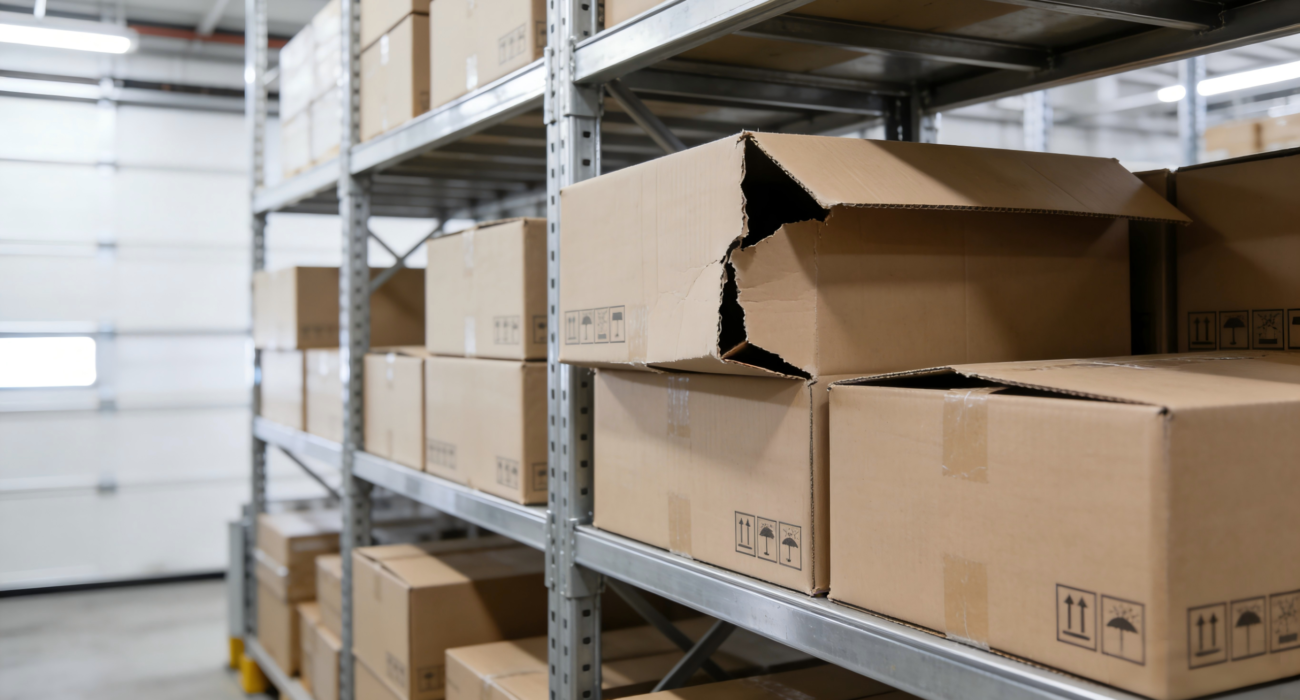
Prevent Packaging Box Deformation: Material Matters
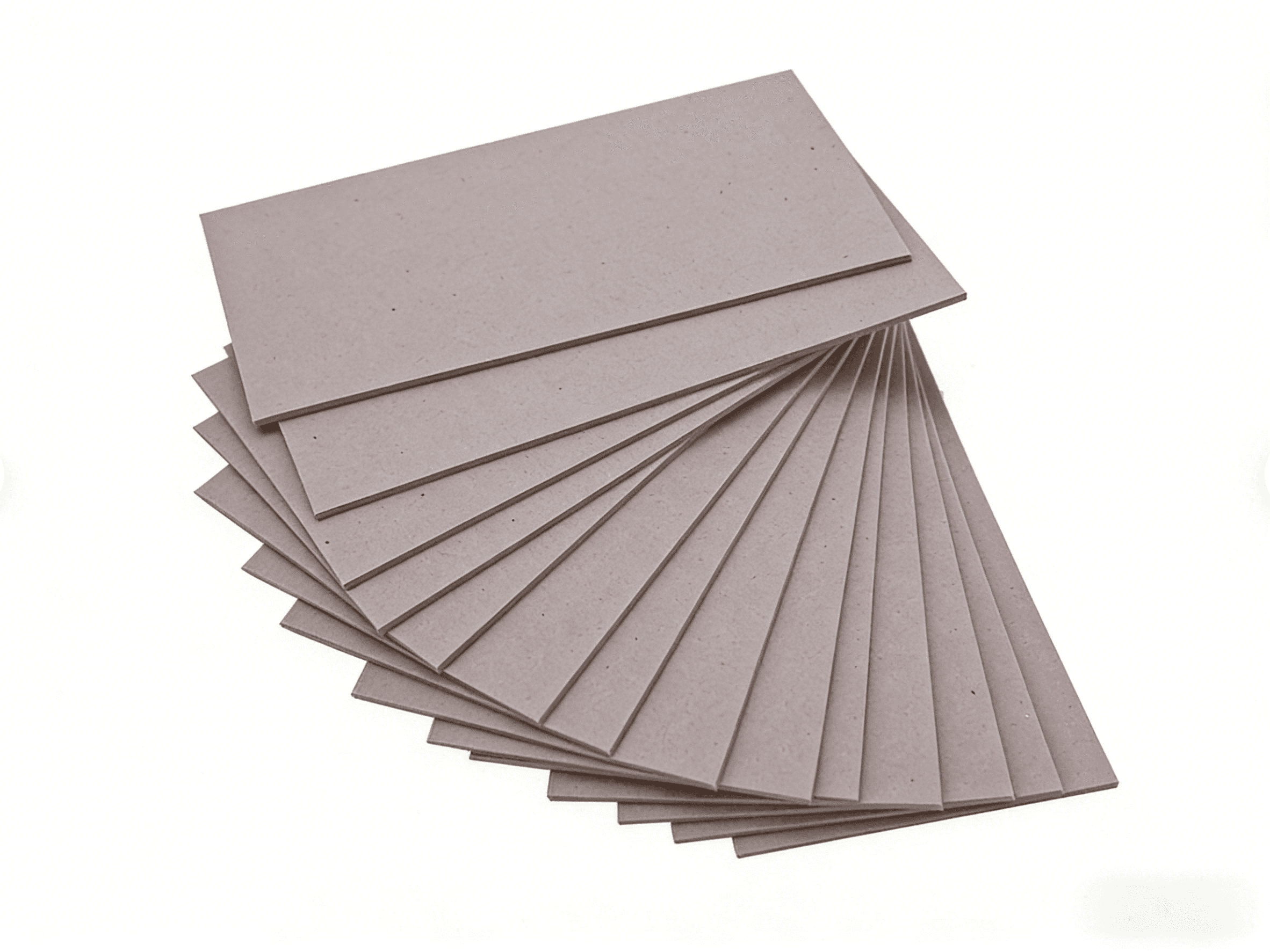
The material used in packaging has a larger impact on box deformation than minor variations in production processes. Composite greyboard provides multi-layer strength, resisting bending, crushing, and corner collapse even during long-distance shipments.
Smooth surfaces enhance print quality and allow for premium branding finishes, while lightweight boards reduce shipping costs. Certified sustainable boards, such as FSC or ISO 14001, also support eco-conscious initiatives in export markets.
Table of Contents
- What Packaging Box Deformation and Corner Collapse Really Means
- Top Reasons Packaging Boxes Deform and Corners Collapse
- Best Material Strategies to Prevent Box Deformation in Export Packaging
- Implementing Material Selection to Reduce Box Deformation and Corner Collapse
- Real Industry Feedback and Case Highlights
- Additional Tips to Prevent Packaging Box Deformation
- Conclusion & Future Outlook
What Packaging Box Deformation and Corner Collapse Really Means
Deformation and corner collapse occur when boxes cannot withstand stacking pressure, vibrations, or environmental changes during transport. These failures can lead to damaged products, returns, and dissatisfied customers. For high-end brands, maintaining a consistent unboxing experience is critical to protect their image and maintain customer trust.
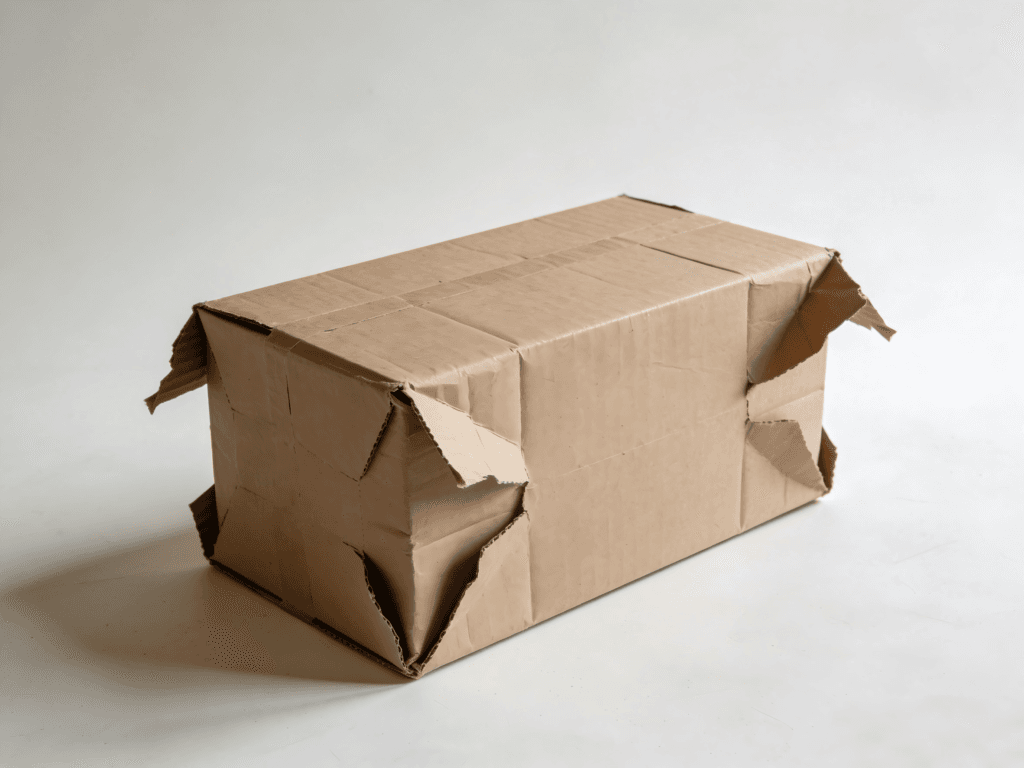
Understanding the root causes of these failures allows companies to move from reactive fixes to proactive solutions, ensuring both product safety and brand reputation are preserved.
Top Reasons Packaging Boxes Deform and Corners Collapse
Many companies automatically blame production errors for packaging failures. In reality, the challenges often involve the materials themselves. Thin or single-layer boards may bend or collapse under pressure. Environmental fluctuations, such as humidity and temperature changes, can compromise board performance.
Long-distance shipping introduces vibrations, compression, and stacking stress that weak boards cannot withstand. Even surface quality matters—a board that isn’t smooth may fail to print properly or resist abrasion, affecting both protection and aesthetics.
Best Material Strategies to Prevent Box Deformation in Export Packaging
Selecting the right material is essential. Composite greyboard provides a range of benefits over traditional single-layer boards. Its multi-layer construction resists bending, crushing, and corner collapse, while maintaining dimensional stability across varying temperatures and humidity levels.
Smooth surfaces support high-end printing and finishing, improving the unboxing experience and reinforcing brand perception. Lightweight yet strong, these boards reduce shipping and handling costs. Certifications such as FSC and ISO 14001 also enhance customer trust and align with growing sustainability expectations.
In practical terms, brands can focus on the following strategies to optimize packaging materials:
- Adjust thickness and grammage: Small cosmetic boxes benefit from lighter boards, while large gift boxes or hardcover books require heavier boards for corner and panel stability.
- Consider transport conditions: Boards must withstand long-distance shipping, vibrations, humidity, and stacking pressures.
- Prioritize surface smoothness: A smooth surface supports high-quality printing, finishing, and customization, enhancing brand presentation.
- Use certified sustainable materials: FSC and ISO 14001 certifications reassure customers and align with eco-conscious market expectations.
These steps illustrate how careful material selection addresses the root causes of deformation and corner collapse more effectively than adjustments in production alone.
Implementing Material Selection to Reduce Box Deformation and Corner Collapse
Material strategies should be applied with attention to real-world shipping conditions and product types. For instance, boxes intended for international transport need boards that maintain rigidity during stacking and resist moisture.
Smaller boxes may prioritize portability and print quality, while larger boxes need extra durability to prevent dents and collapsed corners. Surface smoothness ensures branding and customization opportunities are fully realized, and certified sustainable boards strengthen customer trust and support sustainability goals.
Real Industry Feedback and Case Highlights
Several export brands have adopted composite greyboard and experienced tangible improvements. Cosmetic packaging saw shipping damage reduced by over 30% in international transport.
Jewelry gift boxes and premium book packaging experienced significantly fewer corner collapses. Customer feedback highlighted how these boards protected fragile items while enhancing overall packaging aesthetics.These cases show that focusing on material quality can deliver consistent results across shipments, even before addressing process optimization.

Explore additional export packaging case studies for more examples from the industry.
Additional Tips to Prevent Packaging Box Deformation
Material selection is essential, but additional practices further improve packaging reliability. Standardizing quality assurance checks before shipment, conducting pre-shipment stress tests, and collaborating closely with suppliers and logistics partners are all effective measures.
Staying responsive to changes in product types, transport routes, and sustainability trends ensures that packaging solutions remain both protective and cost-effective.
Conclusion & Future Outlook
Box deformation and corner collapse primarily result from material limitations rather than production errors. Prioritizing high-strength, dimensionally stable boards such as composite greyboard safeguards products and maintains premium brand presentation.
By combining careful material selection with proactive shipping practices and sustainable packaging strategies, brands can reduce shipping damage, strengthen customer trust, and deliver consistent unboxing experiences. Export-oriented companies implementing these measures achieve cost-effective, durable, and eco-friendly packaging solutions while maintaining a competitive edge in international markets.
Author Profile

-
HONGTUSCENERY is a professional manufacturer of composite paperboard,
providing sustainable and customized packaging solutions for global brands.
With nearly 20 years of industry experience, we focus on material performance,
structural strength, and green supply chain development.
Latest entries
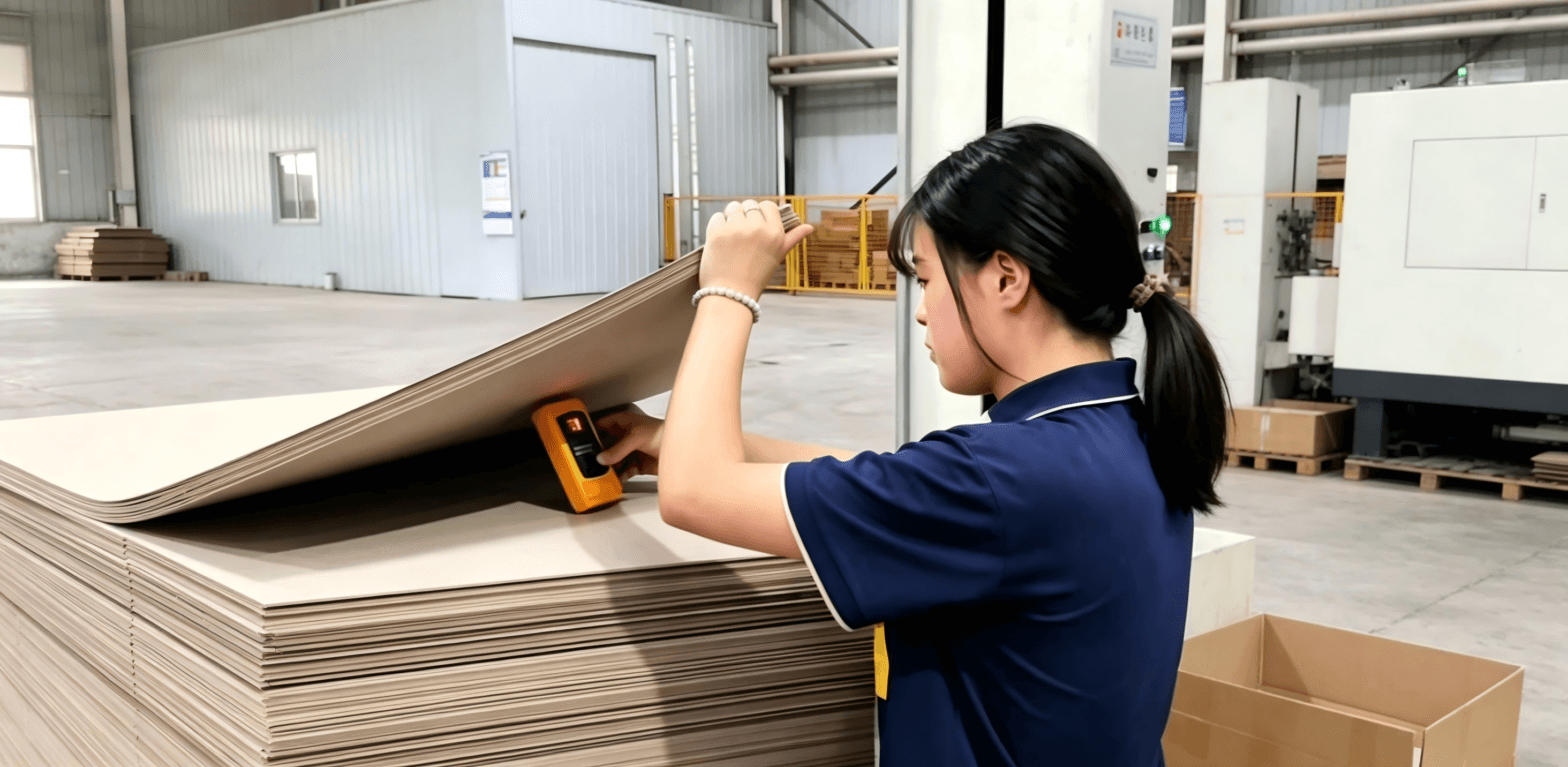 Cosmetics Packaging2026-04-10How to Avoid Quality Issues in Cosmetic Rigid Box Production
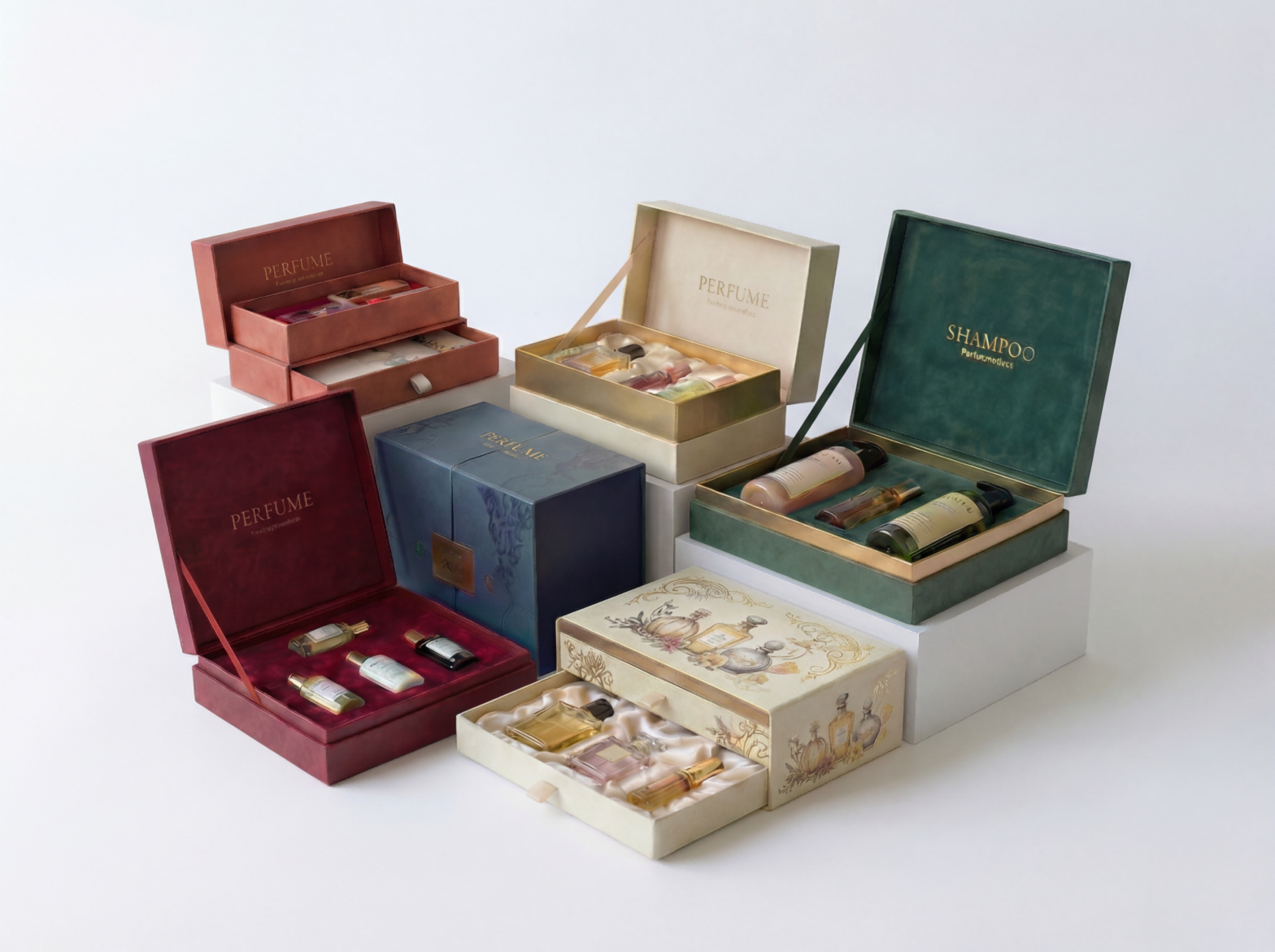 Cosmetics Packaging2026-04-08How Packaging Suppliers Win Skincare Brands with Grey Board
 Cosmetics Packaging2026-04-08Grey Board Bulk Purchasing Guide: A Must-Read for Skincare Packaging Suppliers
 Cosmetics Packaging2026-04-06Skincare Packaging Box Material Cost Optimization: How Grey Board Saves Budget?