How to Choose Materials for Skincare Packaging Boxes: A Practical Guide for Brand Procurement
In the skincare industry, the quality of a packaging box depends not only on design but also on the material used. For brands, selecting the right materials for skincare packaging boxes directly affects product protection, printing quality, and overall cost efficiency.
Unlike primary containers such as bottles or tubes, packaging boxes are a type of secondary packaging for skincare, which protects products during transportation and display while supporting brand presentation. Therefore, having a clear framework for material selection is essential.
1. Why Choosing the Right Packaging Box Material Matters
Many packaging issues originate from material selection rather than design, such as packaging material failure statistics reported by Smithers Pira
- Box deformation or crushing during transport
- Unstable printing results on the box surface
- Low material cost leading to higher overall losses
These problems are directly tied to the performance of the box material. Choosing the right paperboard for cosmetic packaging should be a strategic decision rather than a routine task.
2. Four Key Factors in Selecting Skincare Packaging Box Materials
When evaluating materials for skincare boxes, consider the following four dimensions:
2.1 Structural Strength and Product Protection
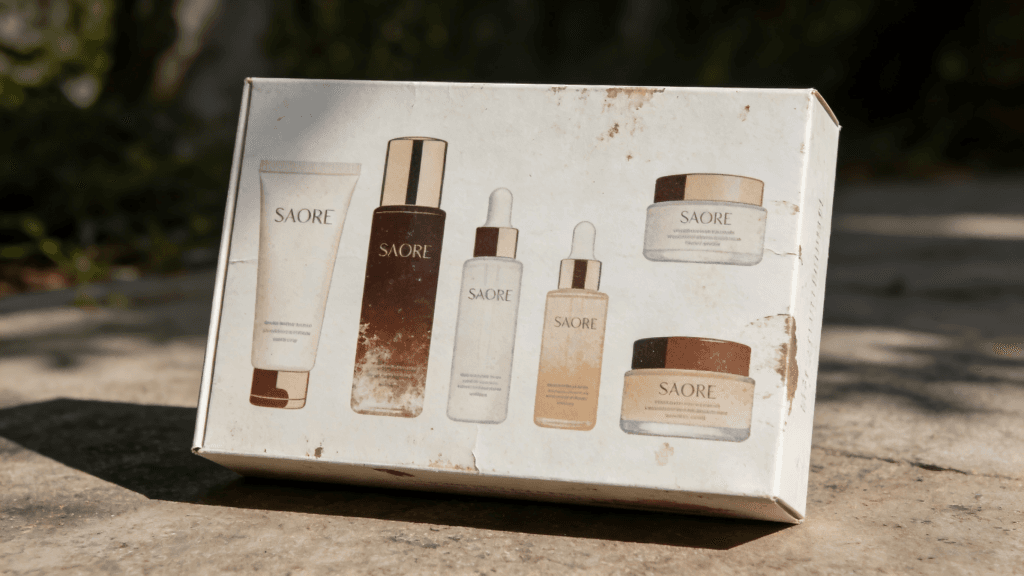
Skincare products, especially glass bottles and serums, require sturdy boxes for support. Materials with insufficient density or stability can lead to crushed corners, deformed edges, or collapsed structures during stacking and transportation.
Selecting a material with adequate strength ensures the box effectively protects the product throughout the supply chain.
2.2 Printing Compatibility and Visual Presentation
Packaging boxes often carry brand identity, which may involve foil stamping, UV coating, embossing, or other finishing techniques.
The surface smoothness and stability of the material directly affect printing quality. Poorly matched materials may result in ink smudges, color inconsistencies, or production failures.
Choosing paperboard for cosmetic packaging with good printing compatibility is key to maintaining consistent brand presentation.
2.3 Cost Efficiency
Material cost should be evaluated in the context of total expenses, including:
- Transportation damage rate
- Reprint or production failure costs
- Long-term stability-related expenses
Low-cost materials may increase overall costs due to higher damage or production errors. Materials that balance performance, flexibility, and cost are preferred.
2.4 Thickness and Customization Flexibility
Different box designs require different material thicknesses. Materials that support flexible thickness adjustment allow better adaptation to various box styles and structures.
Typical thickness ranges:
- 0.5–1.0 mm: Lightweight packaging
- 1.0–1.5 mm: Standard skincare boxes
- 2.0–5.0 mm: Boxes requiring stronger structure or customized designs
Materials that can be customized in thickness provide a balance between protection, cost, and design flexibility.
For a complete guide on skincare packaging materials, see our Skincare Packaging Boxes Material Overview
3. Common Materials for Skincare Packaging Boxes
| Material Type | Strength | Printing | Cost | Box Design Flexibility | Suitable Use |
|---|---|---|---|---|---|
| Folding Carton Board | Low | Good | Low | Limited | Standard skincare boxes |
| Corrugated Board | High | Moderate | Medium | Limited | Shipping outer boxes |
| Composite Greyboard | High | Stable | Balanced | Strong (high flexibility) | All types of skincare packaging boxes |
From this comparison, composite greyboard stands out for balancing structural strength, printing performance, cost control, and flexible box design.
4. Advantages of Composite Greyboard in Skincare Packaging Boxes
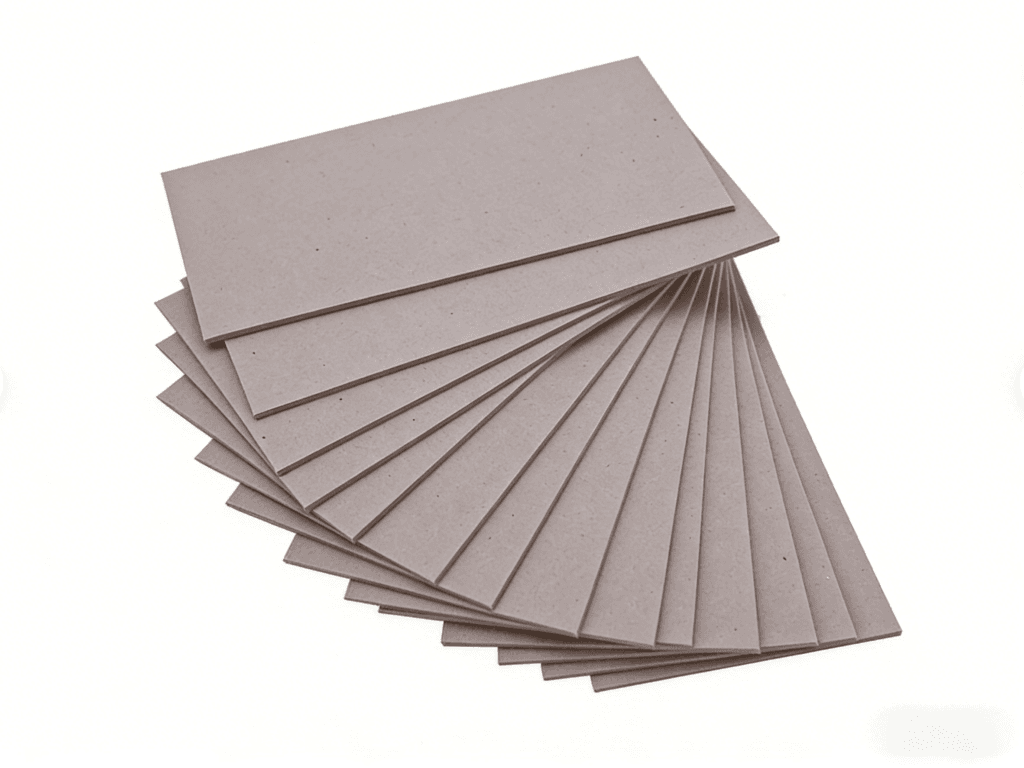
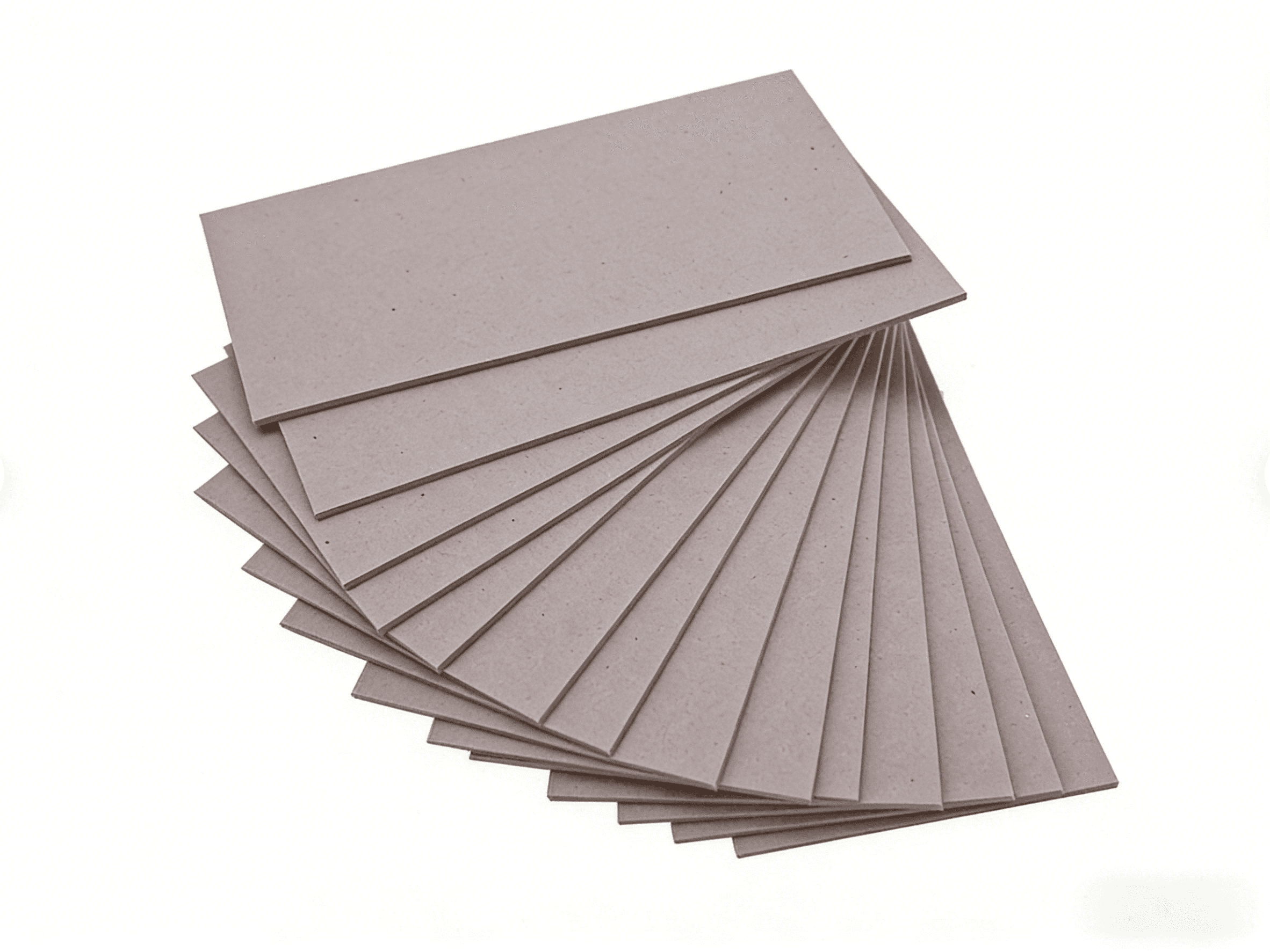
Composite greyboard is made from multiple layers of pulp or recycled fibers and offers several advantages:
- High structural strength: Protects against crushing and stacking pressures
- Stable printing surface: Compatible with foil stamping, UV coating, embossing, and other techniques
- Customizable thickness (0.5–5.0 mm): Suitable for a wide range of box requirements
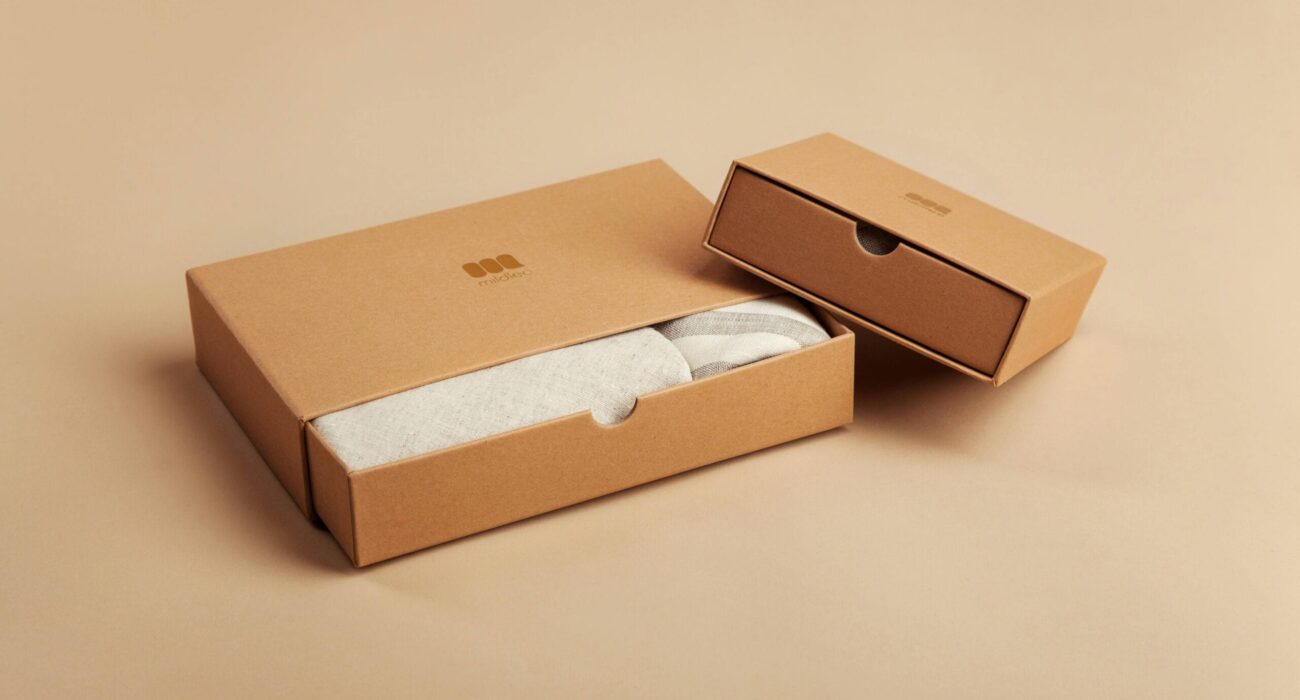
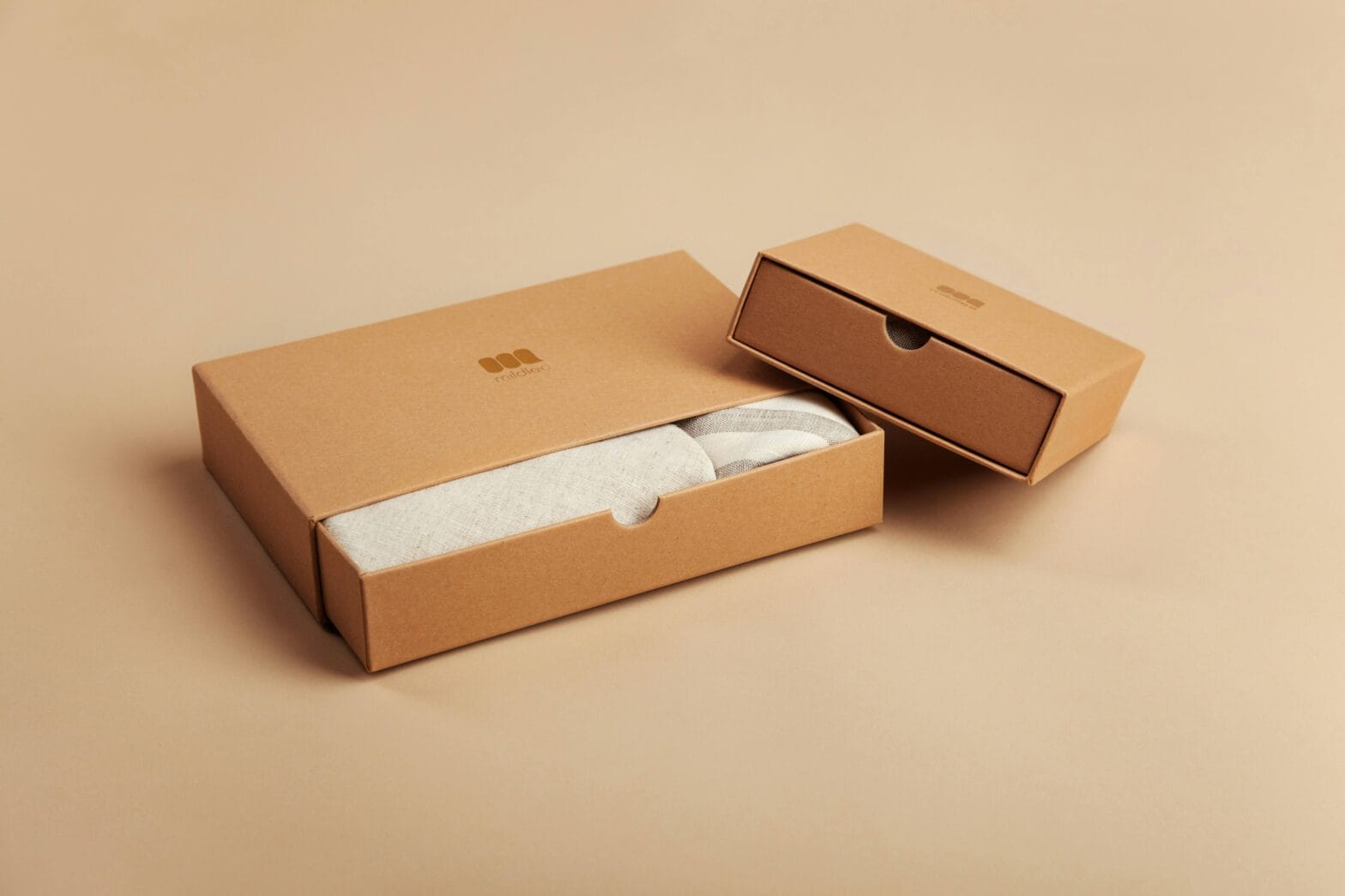
- High design flexibility: Supports various box types, including magnetic, flip-top, or drawer boxes
- Cost-effective: Reduces long-term damage and rework costs
- Eco-friendly: Compatible with recycled and certified materials
This combination of stability and adaptability makes composite greyboard an ideal choice for paperboard for cosmetic packaging.
5. Making the Right Material Choice
When selecting materials for skincare packaging boxes, ask:
- Does the product require strong structural protection?
- Are printing or finishing effects critical for brand expression?
- Are multiple box types or customized designs needed?
- Is long-term cost control important?
If the answer to several of these questions is yes, composite greyboard, with strength, printing stability, and high design flexibility, is often the optimal choice.
6. Conclusion
Choosing the right materials for skincare packaging boxes is a critical step in product development and supply chain management. Evaluating options based on structural strength, printing performance, cost efficiency, and box design flexibility ensures better outcomes.
Composite greyboard provides the right combination of stability, flexibility, and print compatibility, making it suitable for various types of skincare packaging boxes.
If you are looking for materials for skincare packaging boxes, or want to customize thickness (0.5–5.0 mm) and box structure, contact us for professional advice and a quote (Get Quote).
Author Profile

-
HONGTUSCENERY is a professional manufacturer of composite paperboard,
providing sustainable and customized packaging solutions for global brands.
With nearly 20 years of industry experience, we focus on material performance,
structural strength, and green supply chain development.
Latest entries
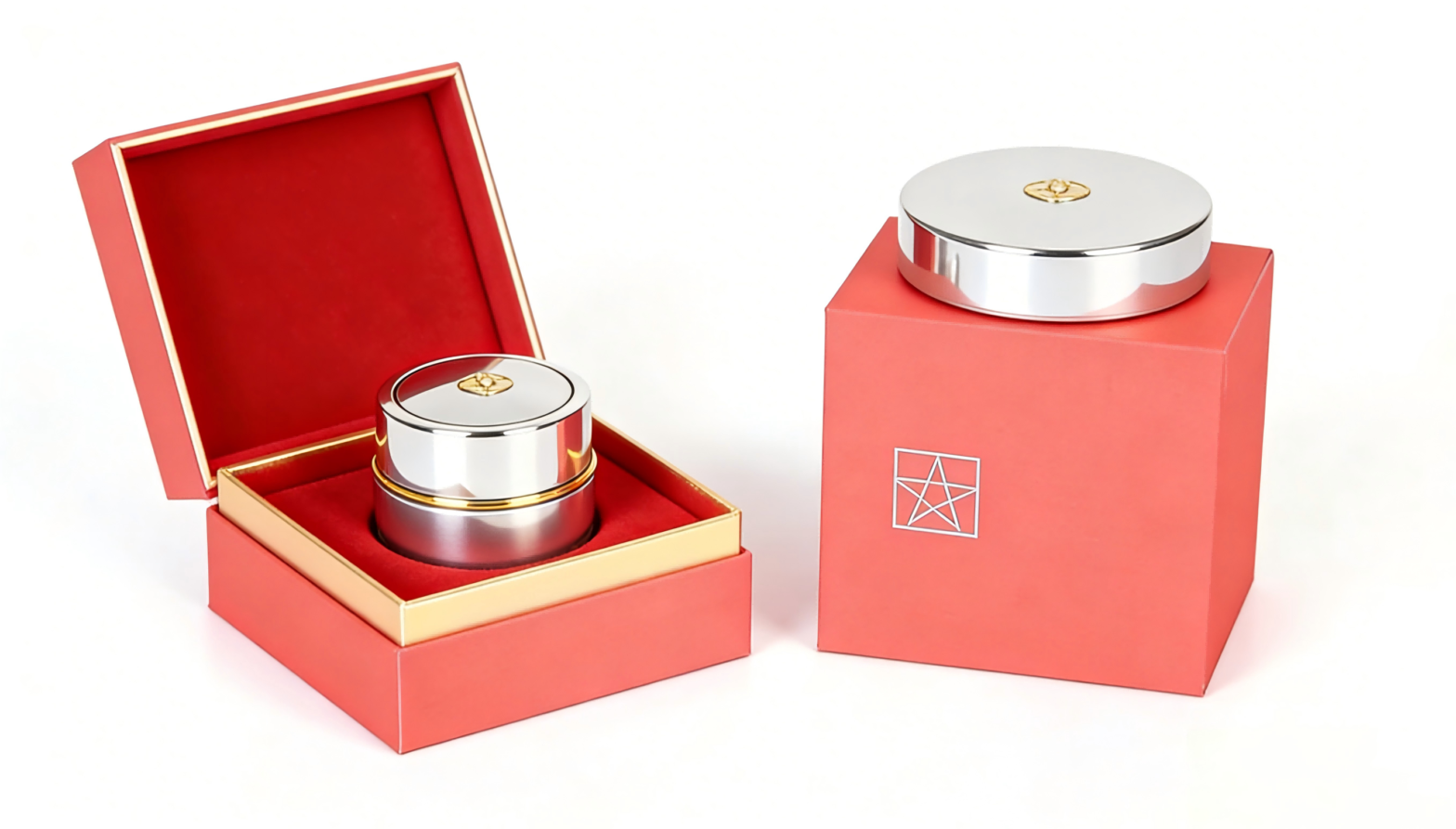 Cosmetics Packaging2026-04-03Grey Board for Cream Gift Box: Benefits for Premium Packaging
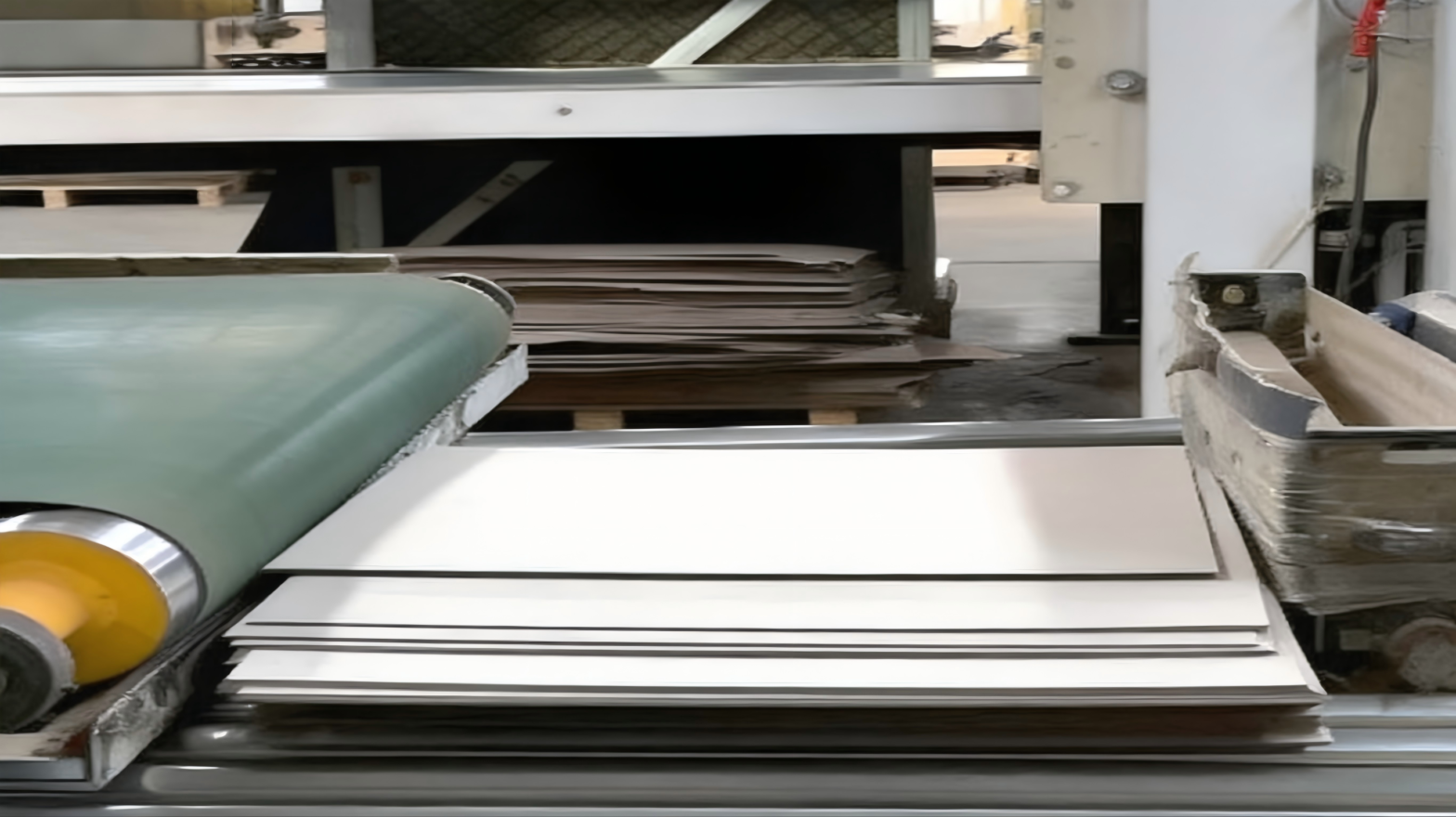 Cosmetics Packaging2026-04-01Skincare Packaging Box Material Comparison
 Cosmetics Packaging2026-03-31How to Choose Materials for Skincare Packaging Boxes: A Practical Guide for Brand Procurement
 Cosmetics Packaging2026-03-26Common Issues and Solutions for Skincare Secondary Packaging Boxes