Skincare Secondary Packaging Structure Explained (Boxes & Cartons)
1. Why Skincare Packaging Structure Matters
Skincare packaging structure is not only a design decision, but also a critical factor in custom skincare packaging development and B2B procurement strategy. It directly affects brand positioning, perceived product value, and manufacturing feasibility.
Many skincare brands underestimate structural design and focus only on visual appearance. This often leads to:
- Weak brand perception and limited premium positioning
- Packaging deformation during logistics and handling
- Inability to enter premium retail or gift markets
The core issue is a mismatch between skincare packaging structure, materials, and brand positioning stage.
2. What Defines Skincare Packaging Structure
In real-world packaging development, skincare packaging structure and packaging materials are interdependent:
- Structure defines form
- Material defines structural integrity
- Together they determine brand perception and cost efficiency
Skincare packaging structure depends heavily on material stability and engineering performance.
If you want to better understand how materials impact structural performance, you can explore our
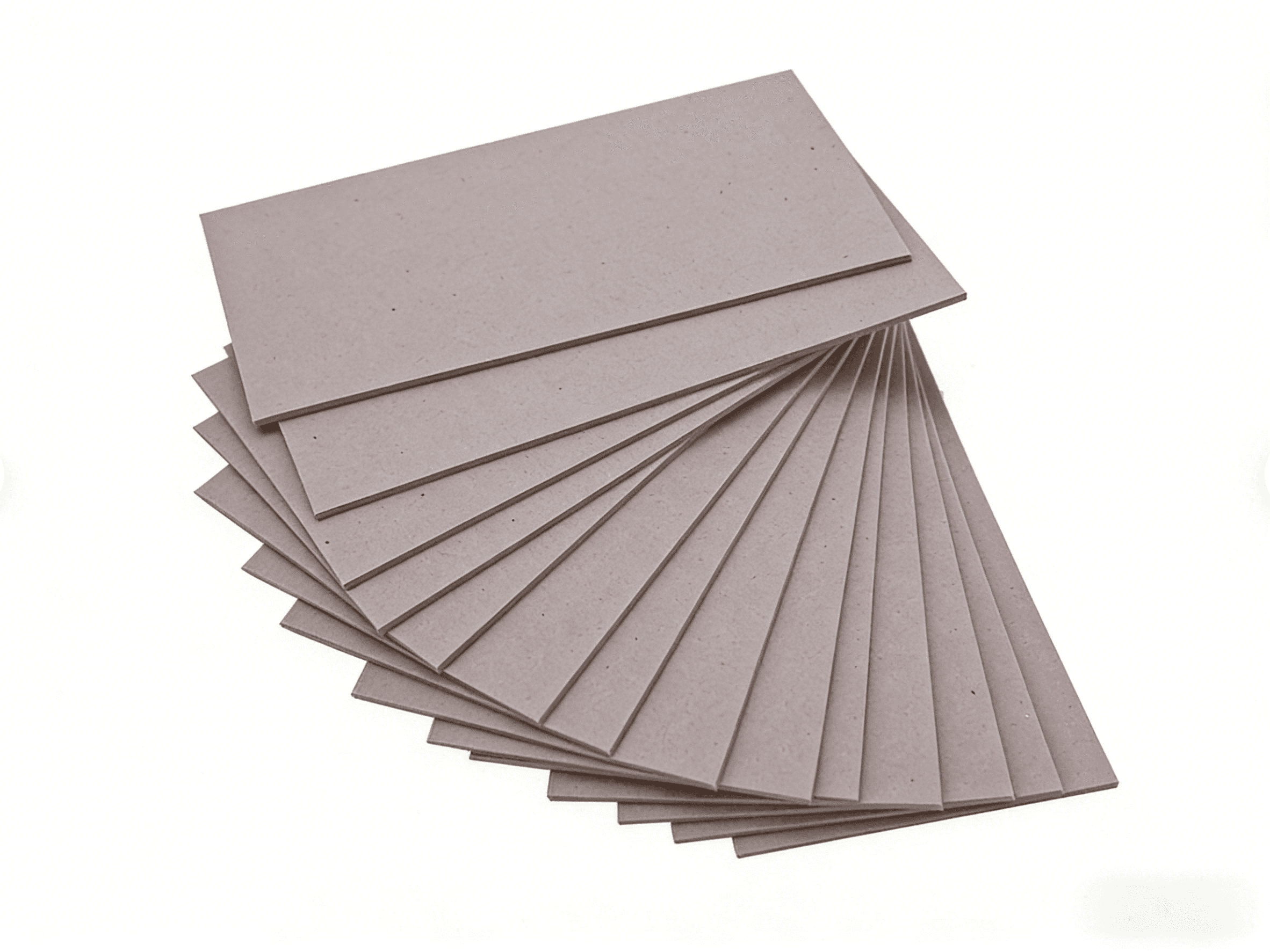
greyboard material for packaging guide.
3. Skincare Packaging Structure Types & Comparison
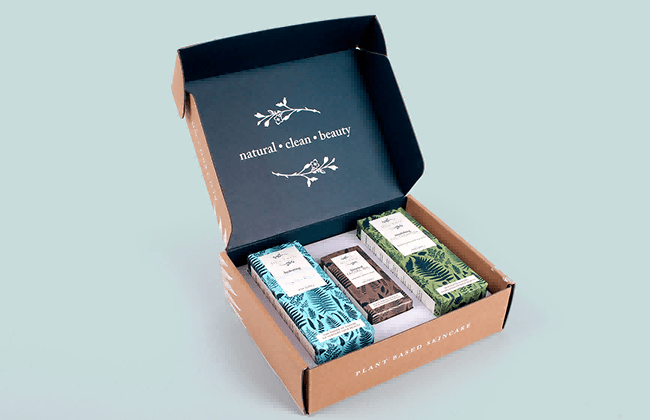
1. Folding Carton Packaging Structure
Best for: Entry-level skincare brands / mass-market products
Advantages:
- Low production cost
- Fast lead time
- Suitable for large-volume production
Limitations:
- Limited structural rigidity
- Weak premium perception
Ideal for functional packaging, not brand upgrading
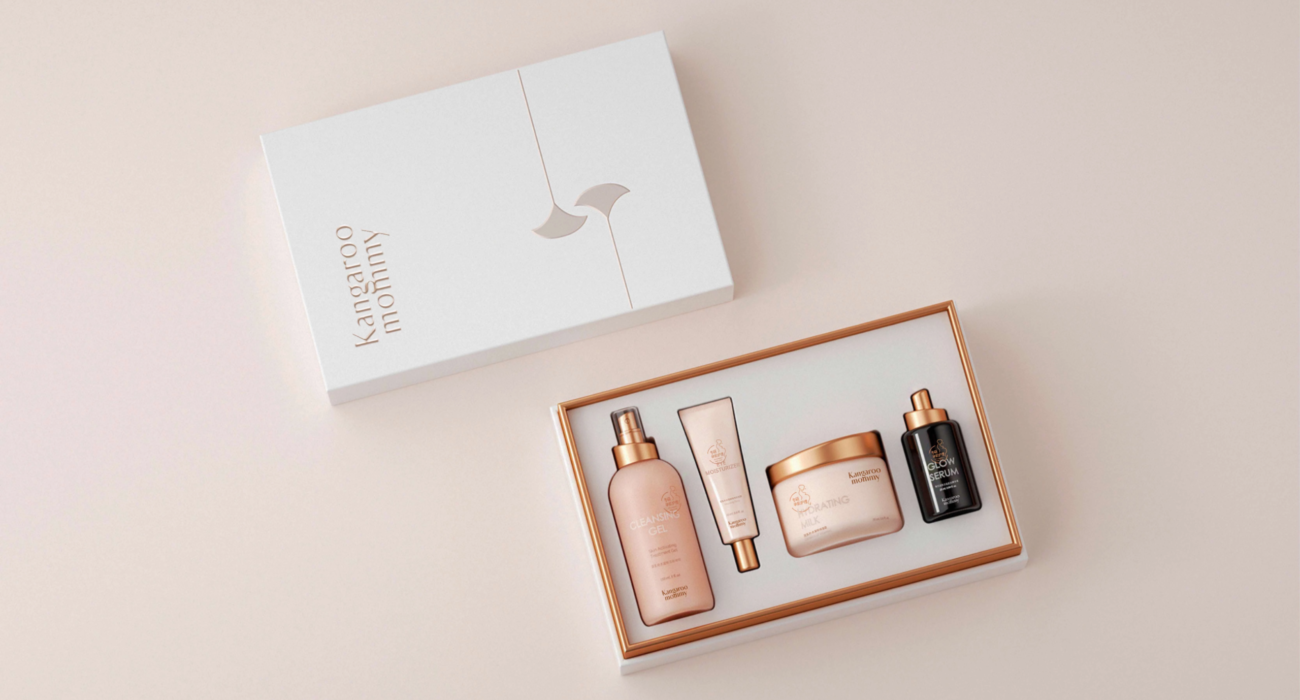
2. Rigid Greyboard Box Packaging Structure
Best for: Growth-stage and mid-to-high-end brands
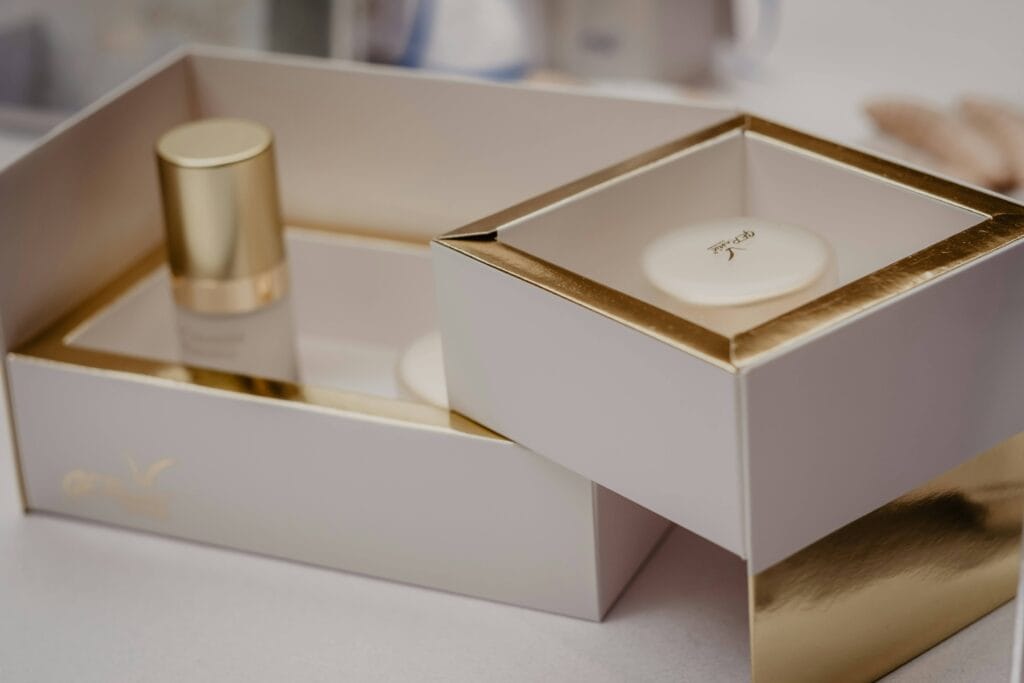
Advantages:
- Strong premium brand perception
- Supports advanced finishing techniques (hot stamping, embossing, UV)
Material Requirement:
- Requires high-density greyboard as the structural core
This is the transition point from standard packaging to premium packaging
3. Magnetic Closure Rigid Box Structure
Best for: Luxury skincare brands and limited editions

Advantages:
- High-end unboxing experience
- Strong emotional and sensory impact
- Significant product value enhancement
Production Requirements:
- High cost
- High MOQ
- High structural precision
Designed for brand elevation, not cost optimization
4. How to Choose the Right Packaging Structure
Skincare Packaging Structure Decision Matrix
| Brand Positioning | Product Type | Recommended Structure | Cost Level | MOQ Level | Key Objective |
|---|---|---|---|---|---|
| Entry-level brand | Cleanser / Toner | Folding Carton Packaging Structure | Low | Low | Cost efficiency & mass production |
| Growth-stage brand | Serum / Cream | Rigid Greyboard Box Packaging Structure | Medium | Medium | Brand upgrade & perceived value |
| Premium brand | Gift set / Bundle | Magnetic Closure Rigid Box Structure | High | High | Luxury positioning & unboxing experience |
| Limited edition | Seasonal / Campaign | Custom Skincare Packaging Structure | High | High | Differentiation & marketing impact |
This matrix helps brands directly match skincare packaging structure with business strategy.
5. The Core Relationship Between Structure and Material
1. Structure Depends on Material Stability
Skincare packaging structure relies heavily on material performance:
- Drawer boxes require rigidity to prevent misalignment
- Magnetic boxes require precision alignment for closure performance
- Gift boxes require compression resistance for logistics durability
Structure cannot function independently without material support
2. Material Defines Structural Limits
- Paperboard → Suitable for folding carton structures
- Greyboard → Enables rigid box packaging structures
- Composite materials → Enable advanced custom packaging structures
Material capability directly determines the complexity of skincare packaging structure
3. Structural Upgrade = Material Upgrade
Typical evolution path in skincare packaging:
Folding Carton → Rigid Greyboard Box → Premium Custom Packaging
As structure evolves:
- Material density increases
- Structural stability improves
- Finishing capabilities expand
Structural advancement is fundamentally a material system upgrade
6. Why Greyboard Is Critical in Premium Packaging
In luxury skincare packaging systems, greyboard is the core material behind rigid box packaging:
- Provides structural backbone
- Ensures long-term shape stability
- Supports premium finishing processes
- Enhances overall brand perception
The structural ceiling of skincare packaging is defined by material performance
7. Sustainability & Compliance in Skincare Packaging
Sustainable skincare packaging materials are becoming a key requirement in global B2B procurement, especially for brands entering European markets.
One of the most important frameworks is:
EU Packaging and Packaging Waste Regulation (PPWR)
It defines strict requirements for recyclability, recycled content, and environmental compliance
For skincare brands exporting to Europe:
Packaging compliance is no longer optional — it is a market entry requirement
8. Conclusion
Skincare packaging structure is not an isolated design choice, but a strategic system combining:
- Brand positioning
- Cost structure
- Material capability
From folding cartons to magnetic rigid boxes, packaging evolution reflects a shift from functional packaging to a brand value carrier
A correct structural decision directly impacts brand perception, pricing power, and market competitiveness
9. Get Professional Skincare Packaging Solutions
If you are developing or upgrading your custom skincare packaging, we provide tailored solutions based on:
- Brand positioning strategy
- Budget structure
- Sales channels
- Product category requirements
Request Custom Skincare Packaging Solution
FAQ
Secondary packaging in cosmetics refers to the outer packaging that holds the primary container, such as folding cartons, rigid boxes, or magnetic gift boxes, mainly used for branding, protection, and presentation.
The secondary packaging process includes structural design, material selection (such as paperboard or greyboard), printing, finishing, box forming, and final assembly before distribution.
The main types include folding carton packaging, rigid greyboard box packaging, and magnetic closure rigid boxes, depending on brand positioning and product value.
Primary packaging directly contains the product (bottle, jar, tube), while secondary packaging is the outer box used for protection, branding, and shelf presentation.
In cosmetics and consumer goods, packaging is often categorized as: primary packaging, secondary packaging, tertiary packaging, protective packaging, transport packaging, pallet packaging, and logistics packaging.
Tertiary packaging is used for bulk handling and transportation, such as cartons, pallets, and shipping boxes, ensuring safe delivery during logistics.
Author Profile

-
HONGTUSCENERY is a professional manufacturer of composite paperboard,
providing sustainable and customized packaging solutions for global brands.
With nearly 20 years of industry experience, we focus on material performance,
structural strength, and green supply chain development.
Latest entries
 Cosmetics Packaging2026-04-03Grey Board for Cream Gift Box: Benefits for Premium Packaging
 Cosmetics Packaging2026-04-01Skincare Packaging Box Material Comparison
 Cosmetics Packaging2026-03-31How to Choose Materials for Skincare Packaging Boxes: A Practical Guide for Brand Procurement
 Cosmetics Packaging2026-03-26Common Issues and Solutions for Skincare Secondary Packaging Boxes