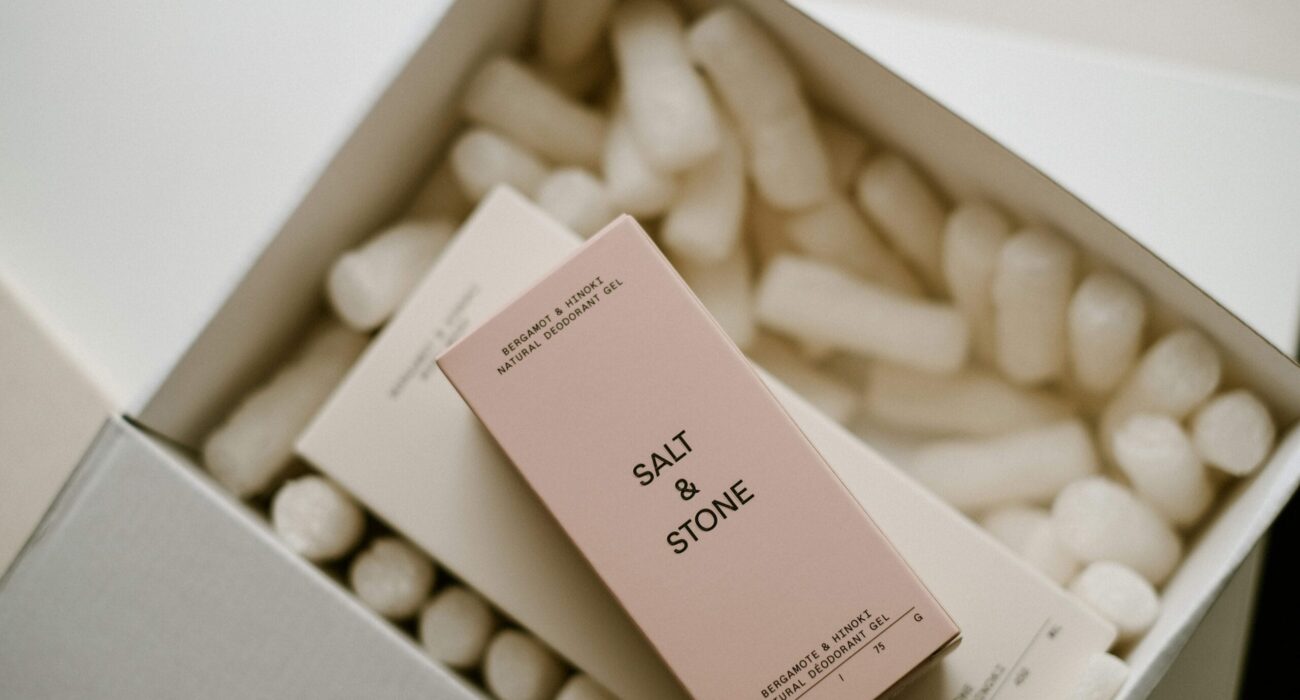
Common Issues and Solutions for Skincare Secondary Packaging Boxes
In the skincare industry, secondary packaging boxes—such as paper gift boxes or outer packaging—play a critical role not only in protecting the product but also in shaping brand image and customer experience. For brand decision-makers and procurement professionals, choosing the right materials, printing process, and structural design is essential to ensure products reach the market successfully. This article covers common issues, underlying causes, real-world applications, industry trends, and practical tips to help you make informed decisions efficiently.
1 Core Concepts of Skincare Secondary Packaging Boxes
2 Common Problems and Their Causes
3 Real-World Application Analysis
4 Industry Trends and Selection Recommendations
5 Practical Recommendations
6 FAQ: Common Questions
7 Summary
Core Concepts of Skincare Secondary Packaging Boxes
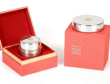
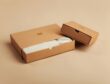
Secondary packaging refers to the boxes that enclose skincare bottles, jars, or tubes, often used for gifting, display, and transportation protection.
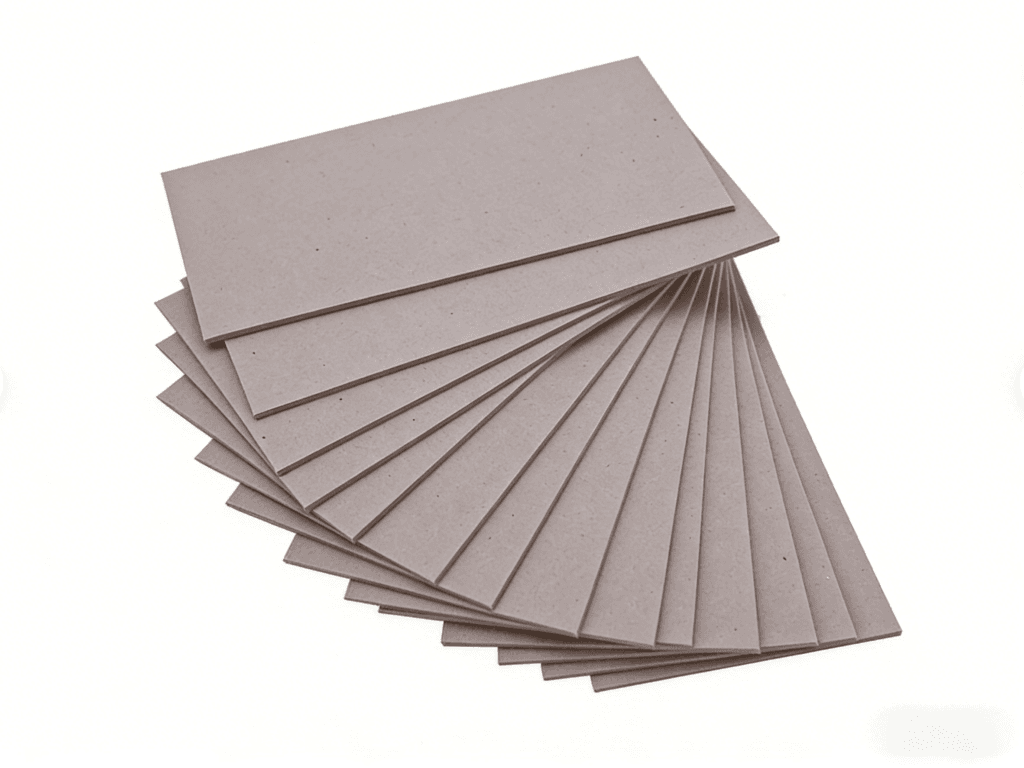
Key characteristics:
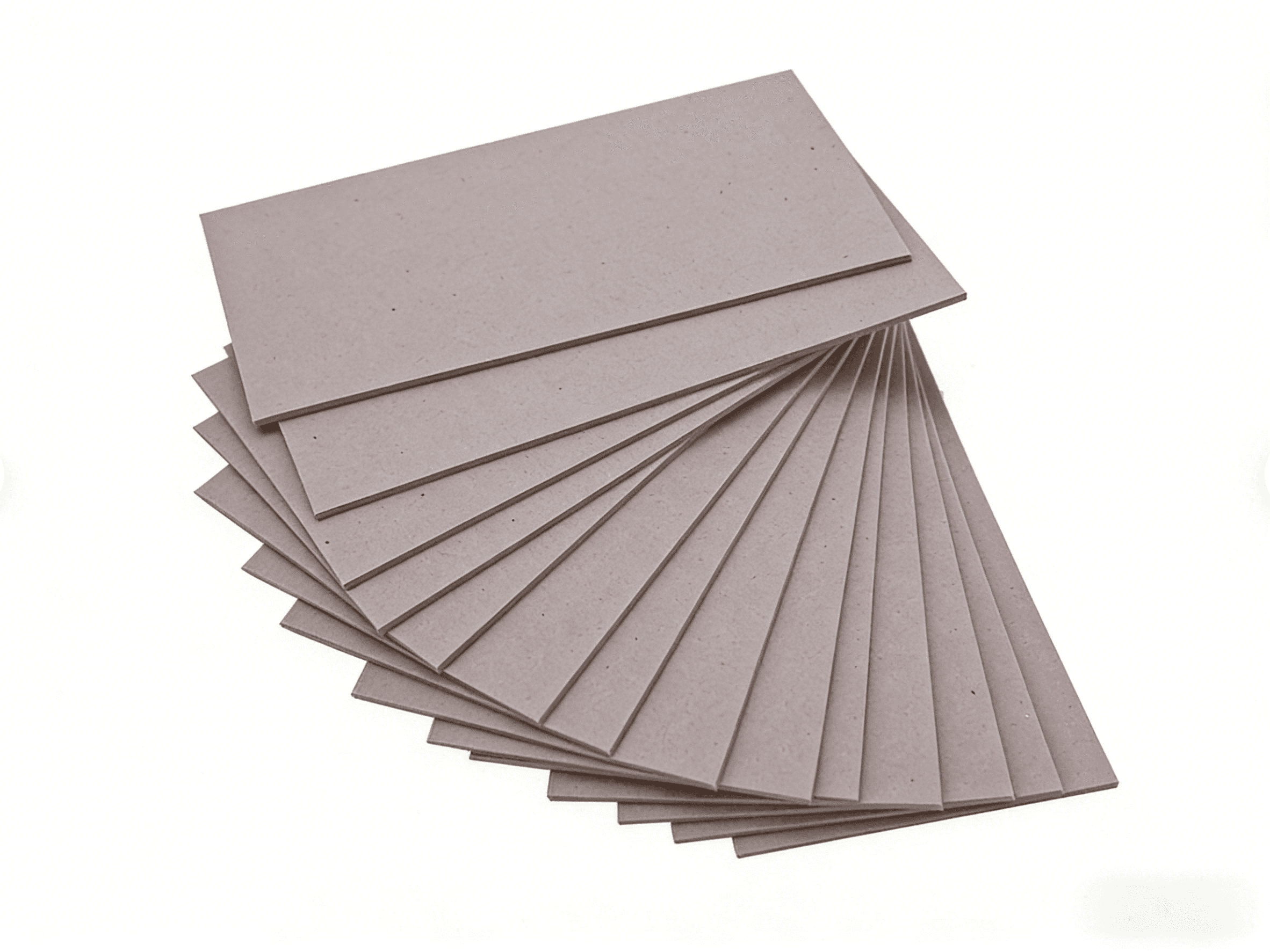
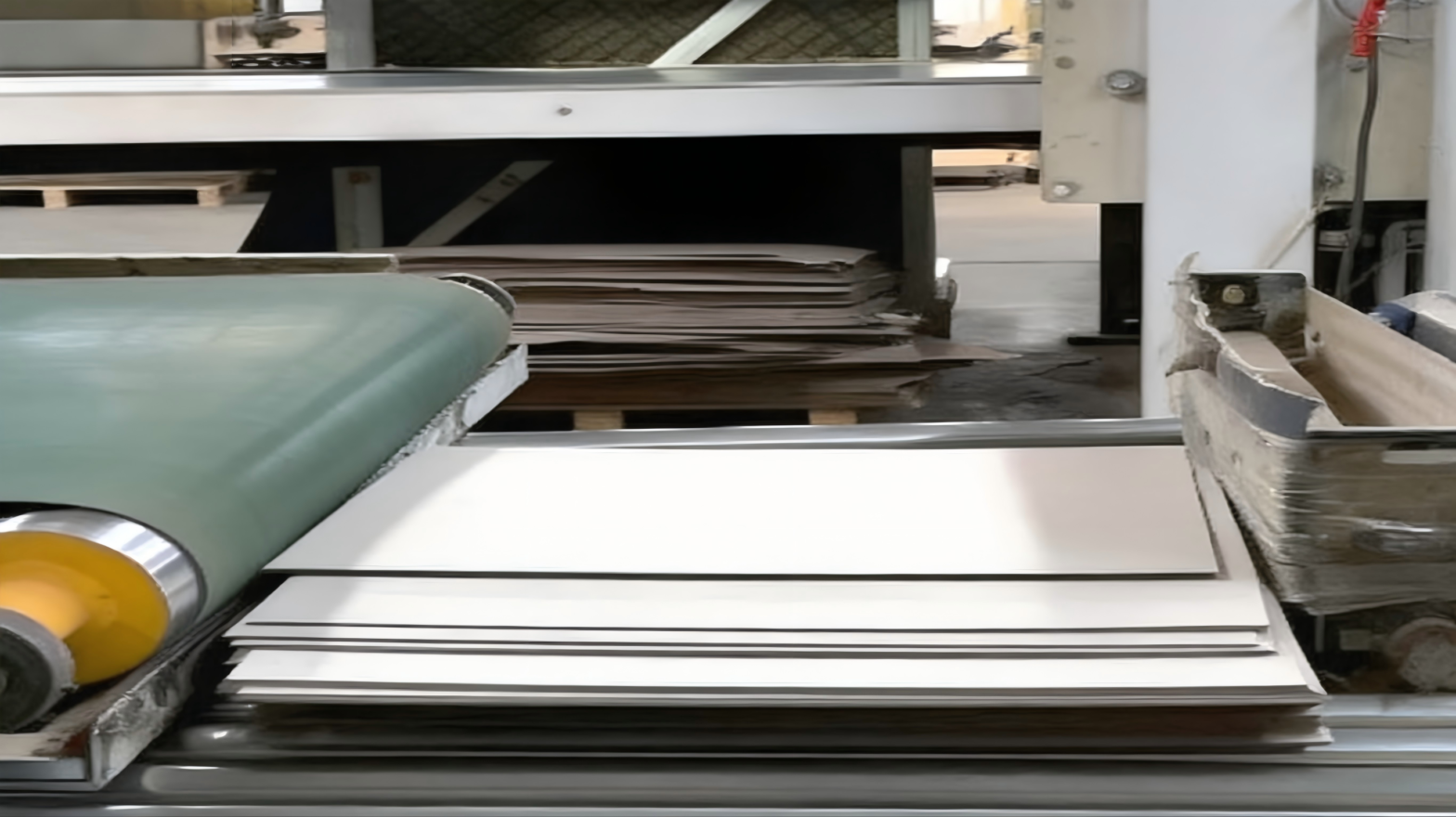
- Material: Composite greyboard (composite greyboard), providing both rigidity and compatibility with high-quality printing.
- Function: Protects the product from deformation or damage while enhancing brand presentation.
- Difference from primary packaging: Primary packaging directly contacts the product (e.g., glass bottles, plastic jars), while secondary packaging focuses on visual appeal and transportation safety.
Brand decision-makers and procurement professionals mainly focus on material thickness, eco-friendliness, cost efficiency, and printing quality.
Common Problems and Their Causes
When designing and producing skincare secondary packaging boxes, decision-makers often encounter recurring challenges. Understanding the causes and choosing appropriate solutions ensures both packaging quality and consumer satisfaction. The table below summarizes common issues, causes, and recommended solutions or material selection guidance:
| Common Issue | Cause | Solution / Selection Advice |
|---|---|---|
| Material deformation | Insufficient greyboard thickness or poor laminated board process | Use composite greyboard, matching thickness and lamination process to product size |
| Box lid misfit | Improper structural design | Adjust lid dimensions, add inner supports or slots |
| Printing color variation | Incompatible printing process or paper | Apply suitable printing processes for greyboard, such as UV or hot stamping, and verify color samples |
| Transport damage | Lack of protective inserts or poor packaging design | Add inserts or padding, optimize stacking method |
| High packaging cost | Inefficient material or process selection | Balance material thickness, process, and batch size for cost-effective solution |
This table allows brand decision-makers and procurement professionals to quickly reference issues, causes, and solutions for fast decision-making.
Real-World Application Analysis
Take a Shanghai-based emerging skincare brand’s serum set secondary packaging box as an example. The brand used composite greyboard and adopted laminated board processes and eco-friendly inks. During the project, the following issues arose:
- High transport damage rate: Original design did not consider greyboard thickness and logistics requirements
- Noticeable color variation: Initial color proofs were not verified with the printing factory
- Poor unboxing experience: Consumers found the box hard to open
Solutions:
- Adjust greyboard thickness and inner supports to enhance transport protection
- Pre-produce color proofs to ensure consistency
- Improve box structure to enhance unboxing experience
Results: Transport damage decreased by 60%, consumer satisfaction increased by 30%, and both brand image and repurchase rates improved significantly.
Industry Trends and Selection Recommendations
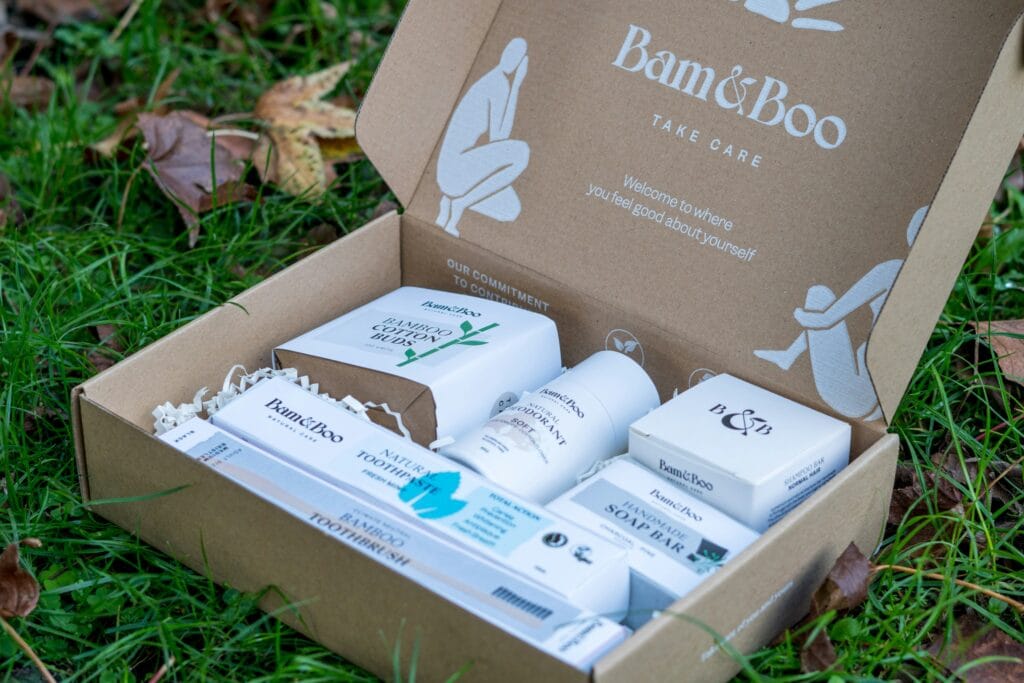
Market Trends & Sustainability
The skincare secondary packaging market continues to evolve rapidly, with sustainability, customization, and lightweight design remaining key drivers. According to the Smithers Pira 2024 Global Skincare Packaging Report — still widely referenced in 2026 industry analysis — over 60% of skincare brands have been increasingly shifting toward sustainable materials, including recycled and FSC‑certified boards. More recent 2025–2026 market observations also show continued growth in demand for eco‑friendly packaging, as brands respond to stricter sustainability expectations and consumer demand for environmentally responsible solutions.
Premium Experience & Printing Techniques
Meanwhile, the premium unboxing experience and differentiated decorative techniques such as embossing, spot UV, and hot stamping continue to influence buyer choices.
Cost Efficiency & Recommendations
Studies suggest that optimizing greyboard thickness and structural design can reduce shipping costs by around 15% without sacrificing durability or visual appeal. These ongoing trends indicate that brand decision‑makers and procurement professionals should consider eco‑friendly materials, versatile printing processes, and cost efficiency when selecting secondary packaging.
Practical Recommendations
- Material Selection: Choose composite greyboard with adequate thickness and rigidity according to product weight and transport needs. Lightweight sets can use 250–300gsm boards; high-end gift boxes are better with 300–350gsm, possibly with double or triple lamination.
- Printing and Surface Treatment: Produce color proofs before full production. Use UV printing, embossing, matte lamination, or hot stamping to enhance premium feel while ensuring ink compatibility with greyboard.
- Box Structure Design: Ensure precise lid and base fit, adding internal slots or supports to maintain stability during transport and display.
- Transport Protection: Include inserts or padding, especially for multi-piece sets. For international shipping, perform compression tests to ensure safe delivery.
- Cost Management: Balance board thickness and lamination processes for the best value. Batch production optimization can reduce per-unit cost.
- Sustainability Compliance: Prioritize recycled or FSC-certified boards, use water-based inks or eco-friendly coatings, and comply with market regulations and consumer preferences for green packaging.
FAQ: Common Questions
A1: It is suitable for most skincare boxes but select appropriate thickness based on product weight and dimensions.
A2: Use printing processes suitable for greyboard and pre-verify color proofs.
A3: Optimize greyboard thickness and lamination process while leveraging batch production efficiencies.
A4: Combine spot UV, hot stamping, embossing, or matte lamination for an enhanced unboxing experience.
Summary
Skincare secondary packaging boxes not only provide protection but also reflect brand identity and influence consumer perception. Brand decision-makers and procurement professionals should make decisions by evaluating materials, processes, structure, and cost. Understanding industry trends, referring to real-world cases, and applying practical tips helps ensure efficient and high-quality packaging choices.
Click to explore our Application Areas or Case Studies to discover customized secondary packaging solutions tailored for your skincare brand.
Author Profile

-
HONGTUSCENERY is a professional manufacturer of composite paperboard,
providing sustainable and customized packaging solutions for global brands.
With nearly 20 years of industry experience, we focus on material performance,
structural strength, and green supply chain development.
Latest entries
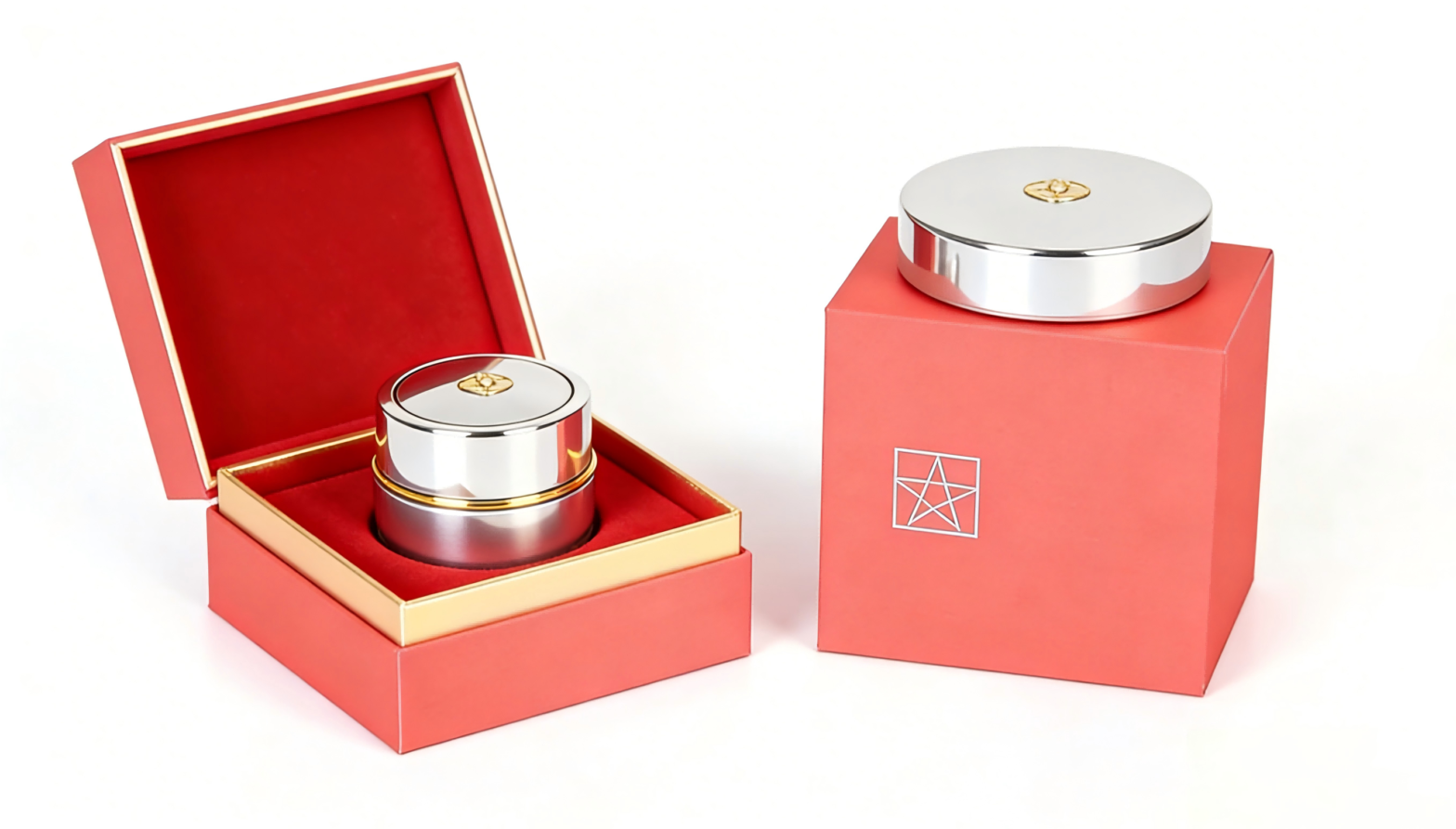 Cosmetics Packaging2026-04-03Grey Board for Cream Gift Box: Benefits for Premium Packaging
 Cosmetics Packaging2026-04-01Skincare Packaging Box Material Comparison
 Cosmetics Packaging2026-03-31How to Choose Materials for Skincare Packaging Boxes: A Practical Guide for Brand Procurement
 Cosmetics Packaging2026-03-26Common Issues and Solutions for Skincare Secondary Packaging Boxes