What Is Greyboard? A Complete Guide to Properties, Uses, and Selection
Introduction
Greyboard is a fundamental material in the packaging and printing industries, widely used for rigid gift boxes, hardcover book covers, folders, and layer pads. Despite its common use, many buyers face confusion when selecting the right type: What thickness corresponds to 1200gsm? Is greyboard the same as chipboard? Can standard greyboard be used for archival storage?
Material selection errors can lead to delamination during lamination, package deformation, or product damage during transit. This guide provides a systematic overview of greyboard—its definition, manufacturing process, thickness specifications, applications, sustainability properties, and selection criteria—based on industry standards.
Topics covered:
- What is greyboard and what is it made from
- Greyboard thickness and GSM conversion
- Common packaging applications
- Sustainability and archival properties
- How to choose the right greyboard
1. What Is Greyboard?
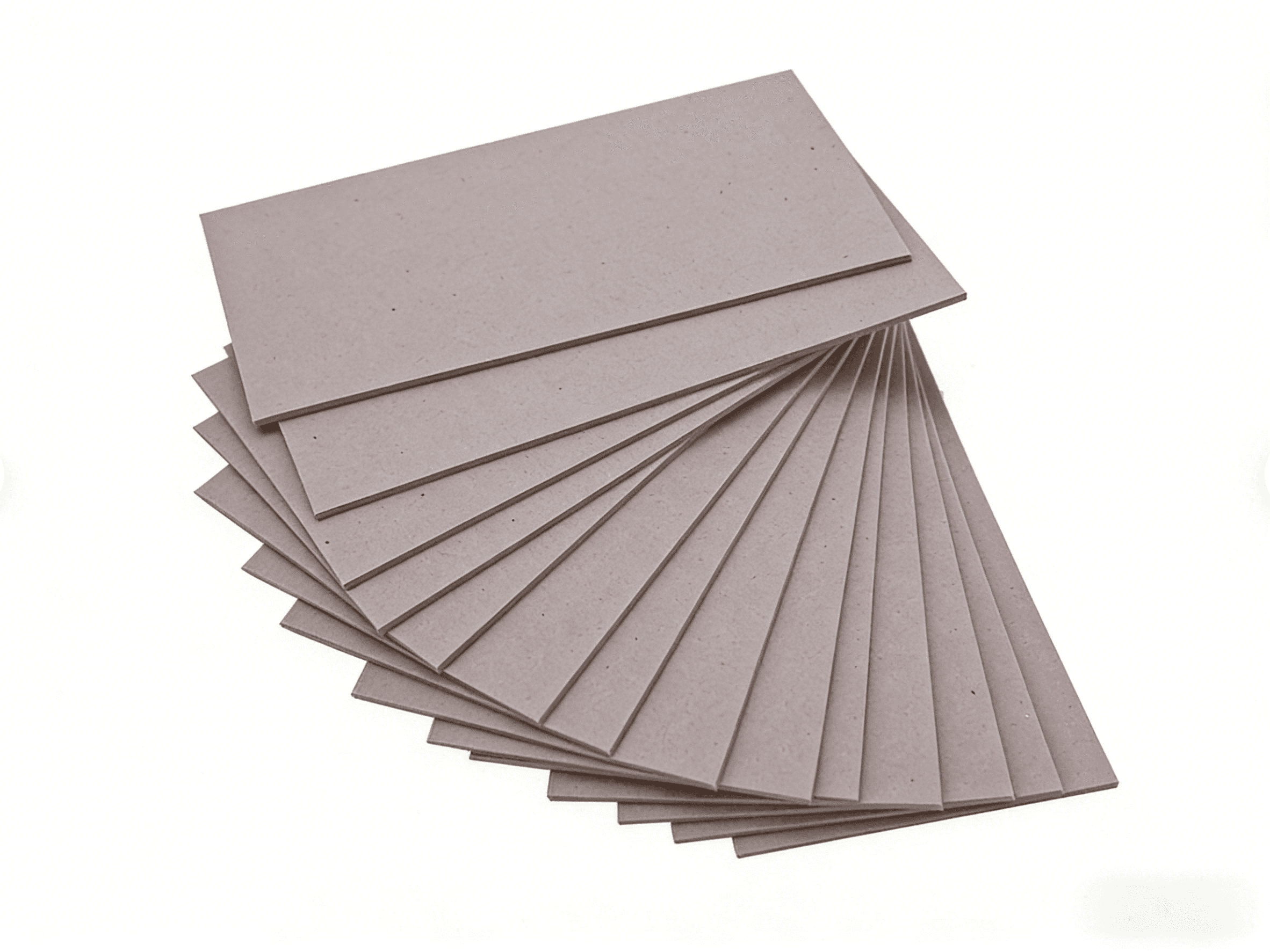
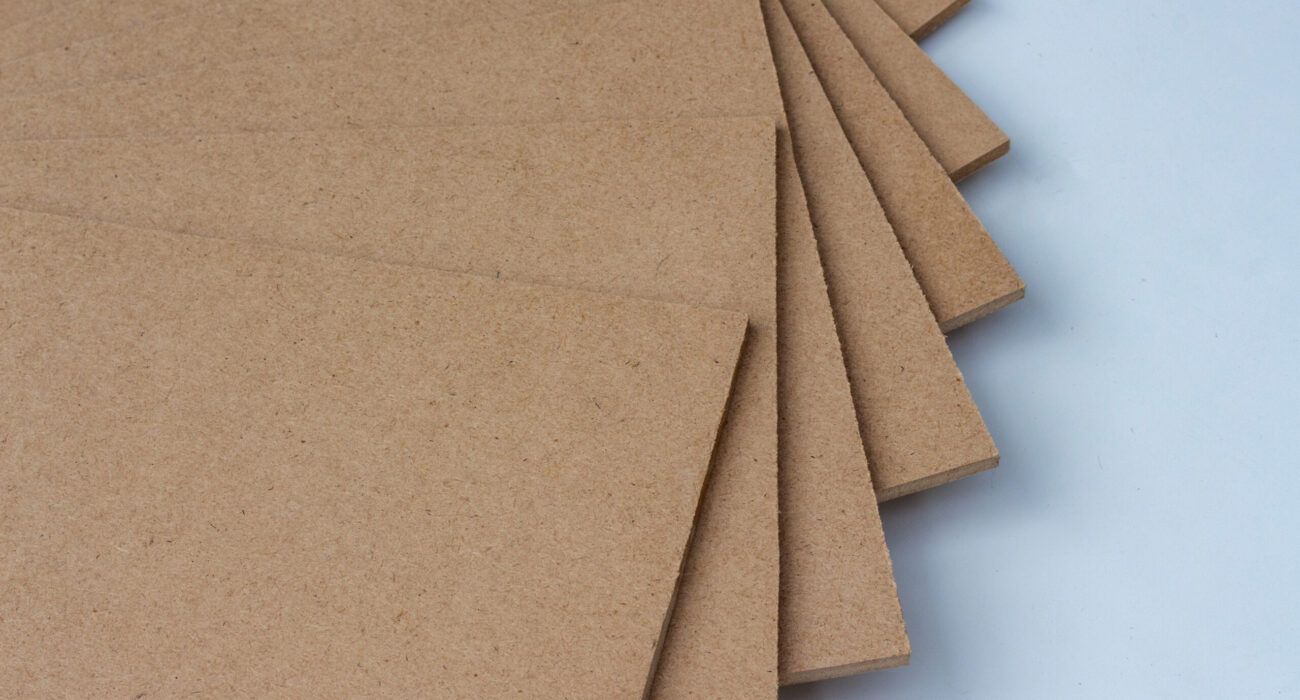
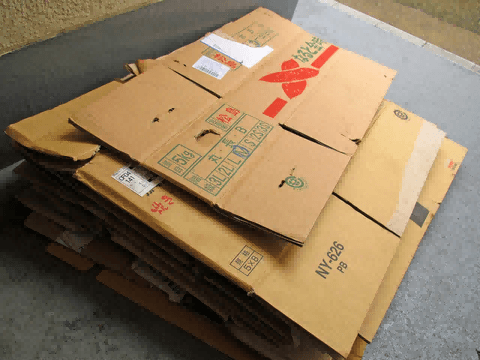
Greyboard, also known as industrial paperboard or duplex greyboard, is a heavyweight paperboard made primarily from recovered waste paper. It is characterized by its natural grey color throughout, which results from the use of unbleached, recycled fibers.
1.1 What Is Greyboard Made From?
The raw materials for greyboard include:
- Old newspapers (ONP)
- Old corrugated containers (OCC)
- Book trimmings and office waste paper
These recycled fibers are processed through pulping, cleaning, pressing, and drying to form dense sheets.
1.2 Key Properties
| Property | Description |
|---|---|
| Raw material | 100% recycled paper |
| Color | Natural grey throughout |
| Surface | Uncoated, slightly rough – ideal for lamination |
| Stiffness | Varies with thickness; proportional to thickness cubed |
| Sustainability | Recyclable and biodegradable |
1.3 Common Terminology Clarified
Is greyboard the same as chipboard?
In commercial contexts, these terms generally refer to the same product. According to ISO 4046, chipboard is a broad category of paperboard made from recycled fibers, while greyboard is a subset specifically referring to board with a grey appearance. “Chipboard” is more common in North America, while “greyboard” is frequently used in Europe and Asia.
What is the difference between greyboard and cardboard?
Cardboard is a broad term that includes corrugated fiberboard and paperboard. Greyboard is a specific type of solid paperboard, while cardboard often refers to fluted structures used in shipping boxes.
What is the difference between greyboard and white-lined chipboard?
White-lined chipboard has a bleached chemical pulp top layer suitable for printing. Greyboard has a uniform grey color throughout and is valued for its stiffness and thickness, primarily used as a base for lamination rather than direct printing.
2. How Greyboard Is Manufactured
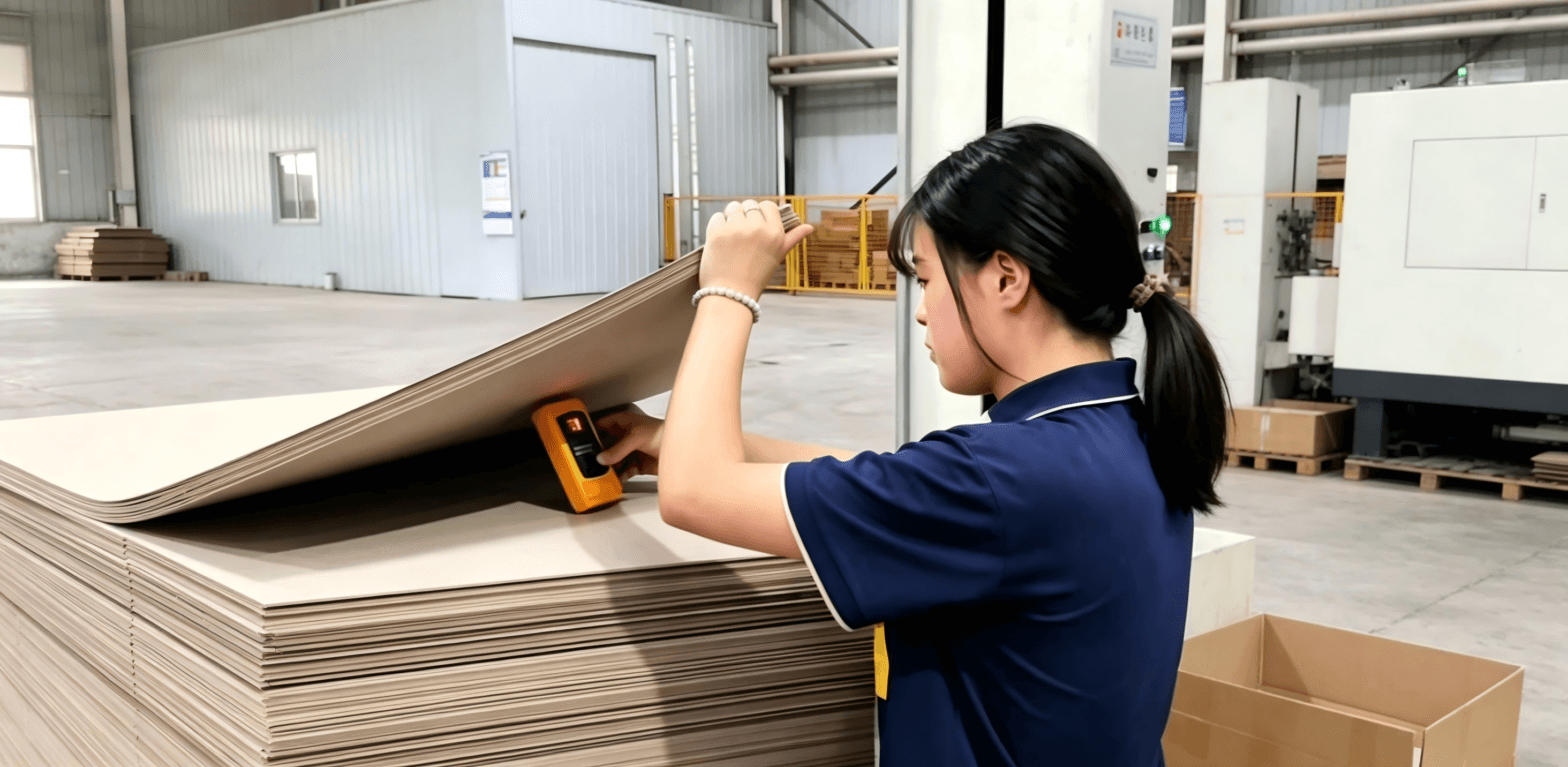
Greyboard production is a mechanical process that transforms recovered paper into dense sheets, with product specifications referencing GB/T 26202-2023 “Core-board” standards.
- Pulping: Recovered paper is mixed with water in a pulper to create fiber slurry. Contaminants such as plastics and metals are removed.
- Multi-layer forming: Most greyboard is produced using a multi-ply forming process. Higher-quality fibers may be used for outer layers, while lower-grade fibers form the core to balance performance and cost.
- Pressing: The wet mat is passed through roller presses that apply pressure of up to 200 tons per square meter, compressing fibers into a dense structure.
- Drying: Sheets are dried to 8-12% moisture content, as determined by GB/T 451.2 test methods.
- Calendering: Some grades undergo calendering to improve surface smoothness (optional).
- Cutting: Finished boards are cut to standard sizes or custom dimensions.
3. Greyboard Thickness and GSM Conversion
Greyboard thickness is specified either in grams per square meter (gsm) or millimeters (mm). The conversion depends on density, with an industry standard formula of: 100 gsm ≈ 0.15-0.16 mm.
Common Thickness Reference Table
| GSM | Approx. Thickness (mm) | Typical Applications |
|---|---|---|
| 300-400 | 0.45-0.6 | Folders, puzzle backing, promotional displays |
| 600-650 | 1.0 | Hardcover book cases, notebook covers, layer pads |
| 900-1000 | 1.5 | Cosmetic boxes, gift boxes, tea packaging |
| 1200-1300 | 1.9-2.0 | Hardcover books, premium gift boxes, photo frames |
| 1500-2000 | 2.5-3.0 | Luggage inserts, heavy equipment packaging, display stands |
Note: Data compiled from industry production standards. Actual thickness may vary by ±0.1mm depending on manufacturer density control. Request samples for verification before bulk ordering.
How thick is 1200gsm greyboard?
1200gsm greyboard thickness is approximately 2.0mm (1.9-2.0mm). This is the standard specification for hardcover book covers and premium rigid boxes, widely adopted in the bookbinding and packaging industries.
Relationship between thickness and stiffness
According to material mechanics, paperboard stiffness is proportional to the cube of thickness. A 10% increase in thickness results in approximately 33% greater stiffness. Selection should be based on packaging load requirements to avoid over-engineering.
4. Common Packaging Applications
4.1 Rigid Boxes
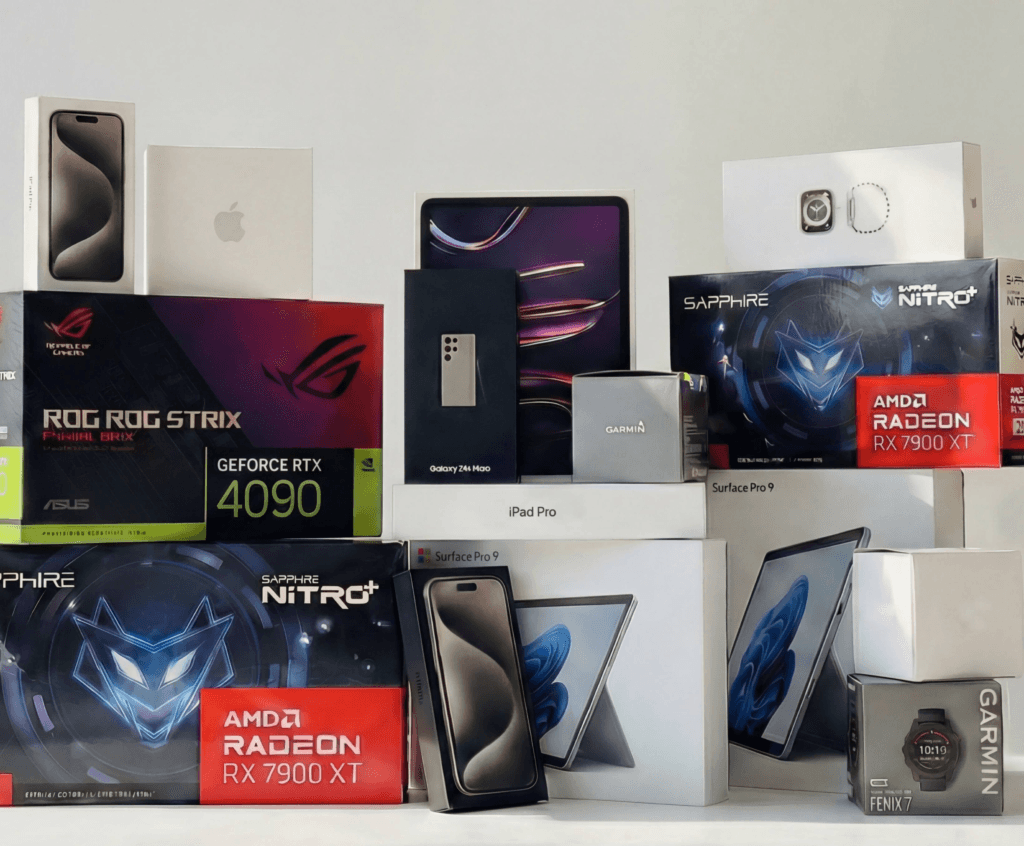
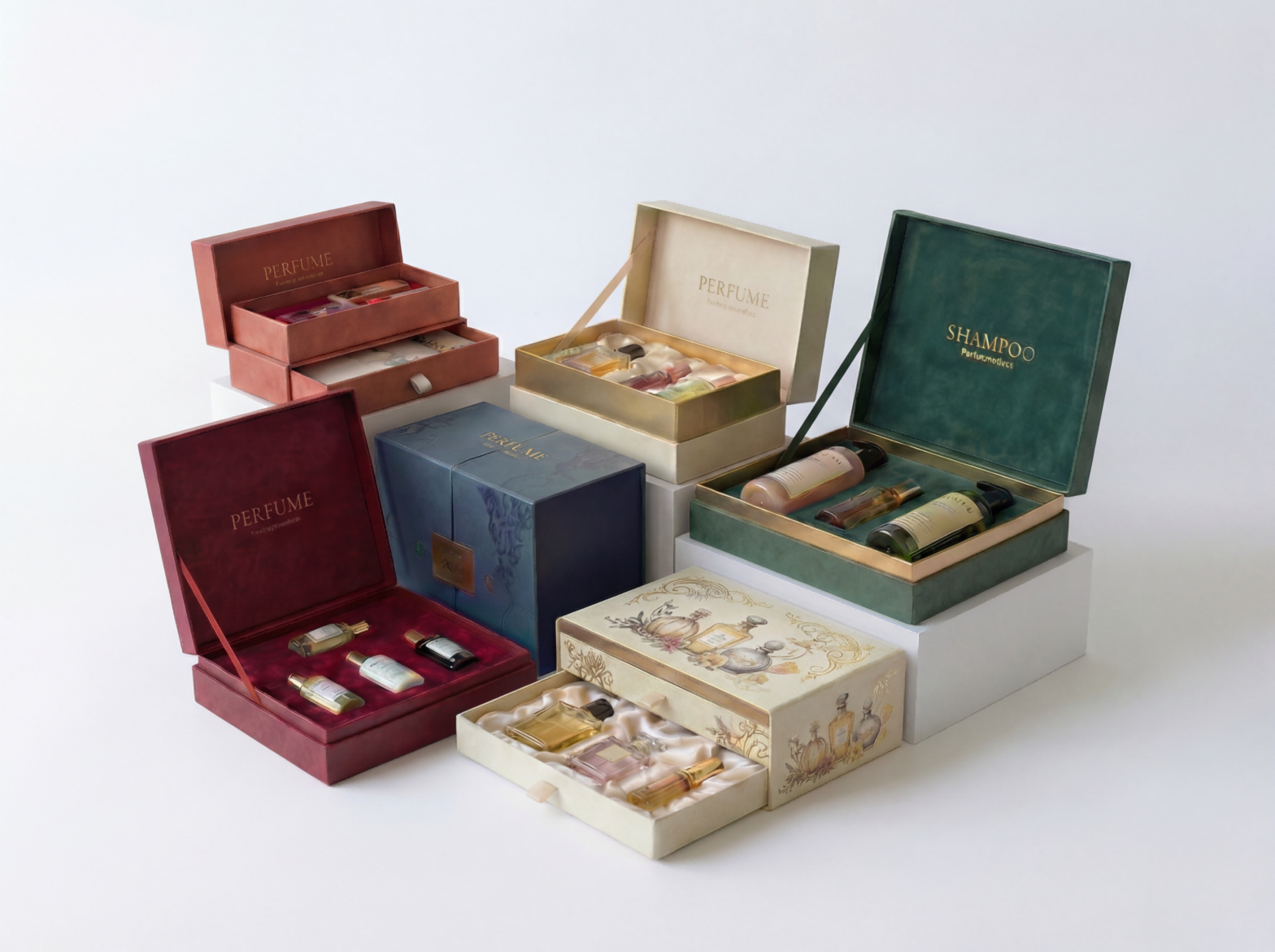
Greyboard is the core structural material for rigid gift boxes. The typical process: greyboard is cut to size, laminated with printed paper, die-cut, and formed.
Typical applications: Cosmetic boxes, jewelry boxes, wine boxes, tea packaging, electronics packaging
Thickness selection guide:
- Lightweight products (<0.5kg): 1.0-1.5mm
- Mid-range gift boxes: 1.5-2.0mm
- Heavy gifts (>1kg): 2.0-3.0mm
4.2 Bookbinding
Hardcover books use greyboard for front and back covers. Thickness selection directly affects book feel and durability.
Bookbinding thickness reference (industry standard):
- Standard books (<300 pages): 1.5mm
- Art books, reference books: 2.0-2.5mm
- Dictionaries, manuals: 2.5-3.0mm
Requirements for bookbinding greyboard: High internal bond strength to prevent delamination during covering; dimensional stability to prevent cover warping.
4.3 Industrial and Logistics Applications
As layer pads placed between palletized goods, greyboard distributes pressure and prevents product movement or damage during stacking.
Layer pad thickness selection (based on packaging industry practice):
- Light bottled products (<500g/bottle): 1.0mm
- Heavy canned products: 1.5mm
- Stacking height >2 meters: Increase to 2.0mm or use double layers
4.4 Stationery and Displays
Folders, presentation cases, notepad backs, puzzles, and display stands frequently use thin greyboard in the 300-600gsm range.
5. Sustainability and Archival Properties
5.1 Environmental Benefits
According to GB/T 20811-2018 “Requirements for Recycling of Waste Paper,” greyboard offers several environmental advantages:
- 100% recycled content: Reduces demand for virgin wood
- Biodegradable: Contains no plastic components
- Recyclable: Can re-enter the paper stream after use
- Carbon footprint: Production energy consumption is 40-60% lower than virgin pulp board (CEPI data)
FSC certification ensures raw materials come from legal and sustainable sources, often required for export orders.
5.2 Acid-Free Greyboard and Archival Storage
Is standard greyboard acid-free?
No. Standard greyboard contains lignin from recycled paper, which hydrolyzes over time to produce acidic compounds, resulting in pH 5.5-6.5. Long-term contact can cause yellowing and embrittlement of adjacent materials.
Acid-free greyboard standards (ISO 9706):
- pH value: 7.0-8.5 (neutralized with alkaline buffers such as calcium carbonate)
- Alkali reserve: >2% calcium carbonate equivalent
- Lignin content: <1%
Storage life:
- Standard greyboard: 10-20 years (adjacent materials begin yellowing)
- Acid-free greyboard: 100-200 years (conforming to ISO 9706 long-term preservation requirements)
Applications: Photo archiving, artwork protection, important documents, commemorative albums, museum displays
How to verify acid-free properties:
- Request ISO 9706 certification
- Test surface with pH pen
- Request supplier test reports
6. How to Choose the Right Greyboard
Four-Step Selection Process
Step 1: Determine thickness requirements
Select target specifications based on product weight and application, referring to the thickness table above.
Step 2: Confirm surface treatment
- For lamination: Standard uncoated board
- For direct printing: Calendered or coated board (limited effect, generally not recommended)
- For high surface smoothness: Select calendered premium grade
Step 3: Check special requirements
| Application | Technical Requirement |
|---|---|
| Long-term archiving | Acid-free greyboard (ISO 9706) |
| Humid environments | Moisture-resistant treatment |
| Food contact | Food grade (GB 4806.8-2022) |
| Laser cutting | Test required; die-cutting recommended |
| Export to EU/US | FSC certification |
Step 4: Verify supplier capabilities
- Can they provide cut-to-size services?
- Are common specifications in stock? (Standard sizes: 787×1092mm, 889×1194mm)
- Can they provide samples for testing?
- Do they have batch test reports? (thickness, moisture content, internal bond strength)
7. Frequently Asked Questions
A: In commercial contexts, these terms generally refer to the same product. According to ISO 4046, chipboard is a broad category of paperboard made from recycled fibers, while greyboard is a subset specifically referring to board with a grey appearance.
A: Approximately 1.9-2.0mm. This is the standard specification for hardcover books and premium gift boxes in the packaging industry.
A: Standard greyboard contains acidic compounds (pH 5.5-6.5) and is not suitable for long-term archiving. For preservation purposes, specify acid-free greyboard conforming to ISO 9706.
A: Main limitations include: 1) Low moisture resistance (standard grade); 2) Rough surface unsuitable for direct printing; 3) Acidity in standard grades; 4) Potential edge roughness if poorly cut.
A: Main limitations include: 1) Low moisture resistance (standard grade); 2) Rough surface unsuitable for direct printing; 3) Acidity in standard grades; 4) Potential edge roughness if poorly cut.
A: White-lined chipboard has a bleached chemical pulp top layer suitable for printing. Greyboard has a uniform grey color throughout and is valued for stiffness and thickness, primarily used as a base for lamination.
A: Yes, but with limitations. High density and recycled content may cause charring. For clean edges, die-cutting is recommended. Test cutting is advised before production.
A: Industry standard moisture content for greyboard is 8-12% (determined by GB/T 451.2 test methods). High moisture can cause deformation; low moisture can lead to brittleness.
A: Check compliance with GB 4806.8-2022 “Food Safety National Standard for Food Contact Paper and Paperboard Materials and Products.” Standard industrial grades are not recommended for direct food contact.
A: Check four key indicators: thickness uniformity, internal bond strength, surface flatness, and moisture content (8-12%).
Conclusion
As a fundamental material in packaging and printing, greyboard selection directly affects final product quality. This guide provides a systematic overview of greyboard definitions, specifications, applications, and selection criteria based on industry standards, including GB/T 26202-2023 “Core-board” and ISO 9706 “Paper for Long-Term Preservation.”
For technical consultation or sample verification, please contact our application engineering team.
Further reading:
- [Paperboard GSM & Thickness Guide]
- [Composite Paperboard Selection Guide]
- [How to Prevent Packaging Deformation]
References:
- GB/T 26202-2023 Core-board
- ISO 9706:1994 Information and Documentation — Paper for Documents — Requirements for Permanence
- GB/T 20811-2018 Requirements for Recycling of Waste Paper
- GB/T 451.2-2023 Paper and board — Determination of moisture content
- GB 4806.8-2022 Food safety national standard for food contact paper and paperboard materials and products
- Confederation of European Paper Industries (CEPI) “Sustainability Report”
Author Profile

-
HONGTUSCENERY is a professional manufacturer of composite paperboard,
providing sustainable and customized packaging solutions for global brands.
With nearly 20 years of industry experience, we focus on material performance,
structural strength, and green supply chain development.
Latest entries
 Cosmetics Packaging2026-04-10How to Avoid Quality Issues in Cosmetic Rigid Box Production
 Cosmetics Packaging2026-04-08How Packaging Suppliers Win Skincare Brands with Grey Board
 Cosmetics Packaging2026-04-08Grey Board Bulk Purchasing Guide: A Must-Read for Skincare Packaging Suppliers
 Cosmetics Packaging2026-04-06Skincare Packaging Box Material Cost Optimization: How Grey Board Saves Budget?