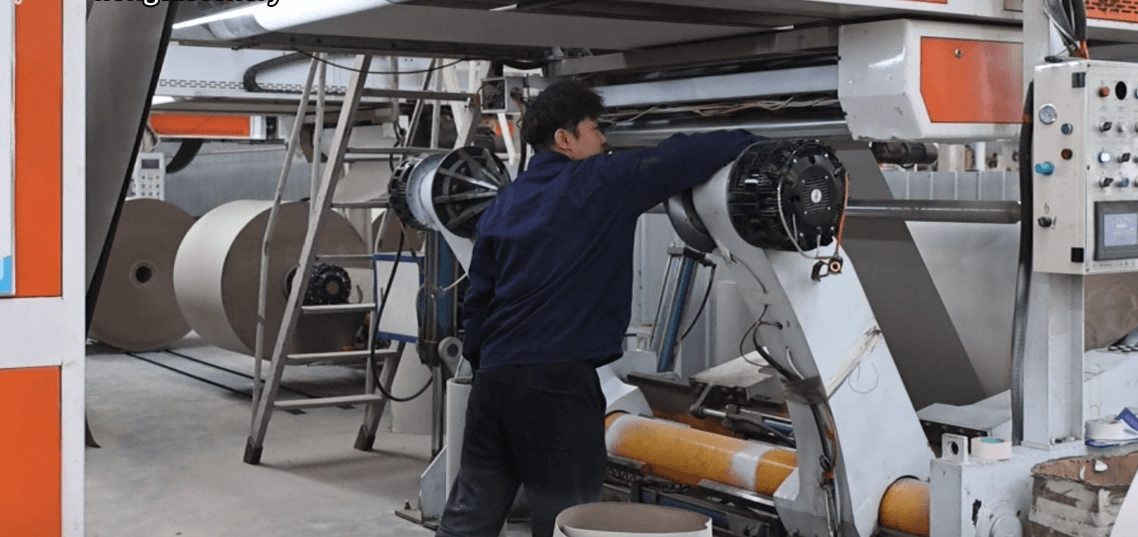
Greyboard vs Laminated Greyboard for Rigid Boxes: A Complete Material Selection Guide
In rigid box manufacturing, choosing the right material is one of the most critical decisions in packaging development.
Two of the most commonly compared options are:
👉 Greyboard (Single Greyboard)
👉 Laminated Greyboard
Both are widely used in gift box packaging material systems, but they differ significantly in structure, performance, and application.
This guide provides a practical, engineering-focused comparison to help buyers, packaging engineers, and brands make the right selection.
1. What is Greyboard (Single Greyboard)?
Greyboard is a high-density paperboard made from recycled fibers or virgin pulp, compressed into a rigid sheet used as the structural core of rigid gift boxes.
Key Characteristics:
- Single-layer compressed structure
- High rigidity and dimensional stability
- Raw grey surface (uncoated)
- Available in multiple GSM levels
Common GSM Range:
- 800gsm – 1800gsm for rigid box applications
👉 In packaging engineering, GSM and density directly influence stiffness and compression resistance.
For general paperboard structure definitions and classification standards, see:
https://www.fefco.org/
(FEFCO – European Corrugated Packaging Association)
2. What is Laminated Greyboard?
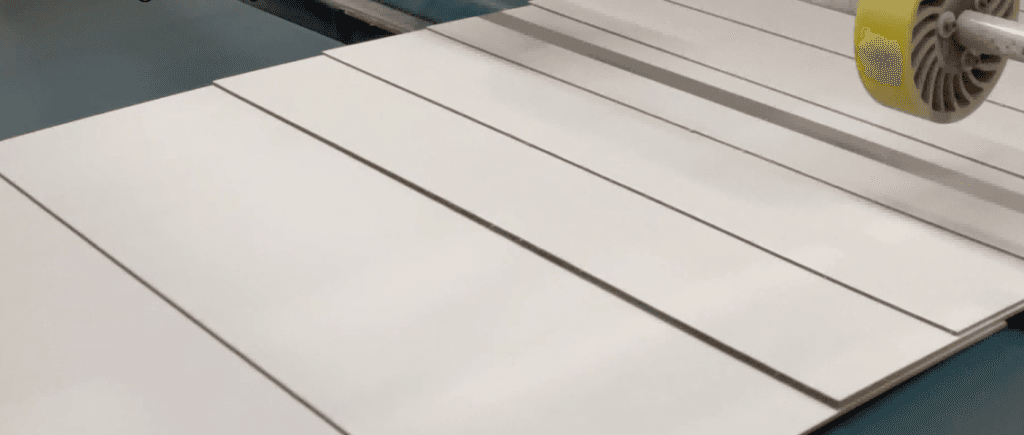
Laminated greyboard is a composite structure where a greyboard core is covered with an additional surface layer such as art paper, kraft paper, or specialty paper.
It is widely used in luxury packaging board systems, where both structure and visual presentation are important.
Structure:
- Inner layer: greyboard core
- Outer layer: laminated paper (printed or decorative surface)
Common lamination materials:
- Art paper (for high-quality printing)
- Kraft paper (eco-friendly appearance)
- Textured specialty paper
- Soft-touch coated paper
3. Greyboard vs Laminated Greyboard: Key Differences
| Feature | Greyboard (Single Greyboard) | Laminated Greyboard |
|---|---|---|
| Structure | Single-layer compressed board | Composite multi-layer board |
| Surface | Raw grey surface | Customized branded surface |
| Printing performance | Limited | Excellent |
| Appearance | Industrial / functional | Premium / luxury branding |
| Cost | Lower | Higher |
| Manufacturing complexity | Simple | More complex (lamination process) |
4. Strength & Engineering Performance
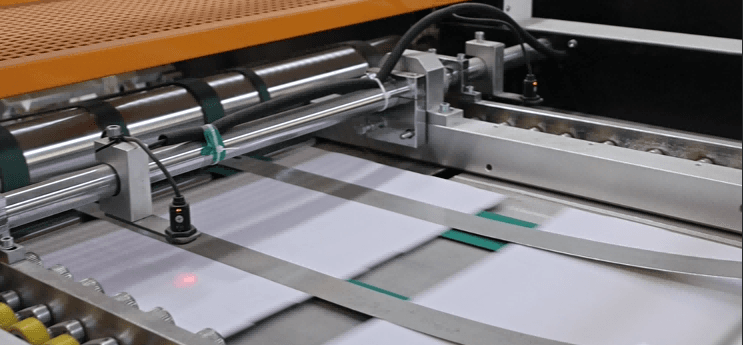
4.1 Rigidity (Structural Strength)
Rigid box strength is primarily determined by the greyboard core itself.
- Single Greyboard: Structural performance depends on GSM and density
- Laminated Greyboard: Core strength remains the same; lamination does not significantly increase load-bearing capacity
Key insight: Lamination improves surface quality, not core structural strength.
4.2 Compression Strength
Compression resistance depends on:
- GSM (grams per square meter)
- Density of fiber compression
- Manufacturing process consistency
For material strength principles in packaging fiberboards, see:
https://www.icpac.org/
(International Corrugated Packaging Association)
4.3 Die-Cutting & Processing
- Greyboard: Easier for structural forming and die-cutting
- Laminated greyboard: Requires higher precision due to surface layer tension
4.4 Printing & Finishing Compatibility
This is the key differentiator:
- Greyboard (Single): Limited printing capability, usually hidden inside structure
- Laminated Greyboard: Excellent compatibility with offset printing, hot stamping, UV coating, embossing
This is why laminated greyboard dominates luxury packaging board applications
5. Cost Comparison
Greyboard (Single Greyboard):
✔ Lower material cost
✔ Fewer production steps
✔ Suitable for industrial or structural applications
Laminated Greyboard:
✔ Higher production cost
✔ Additional lamination process
✔ Higher branding and retail value
6. Application Scenarios
Greyboard Applications:
- Structural core for rigid boxes
- Industrial packaging reinforcement
- E-commerce protective packaging
- Standard packaging structures
Laminated Greyboard Applications:
- Luxury rigid gift boxes
- Cosmetic packaging boxes
- Perfume packaging
- Jewelry packaging
- High-end branded retail packaging
7. How to Choose Between Greyboard and Laminated Greyboard?
From a practical manufacturing perspective, selection depends on packaging objectives:
Choose Greyboard if:
- Structural strength is the priority
- Cost efficiency is important
- The board is not exposed visually
Choose Laminated Greyboard if:
- Brand presentation is critical
- Premium appearance is required
- High-end printing and finishing are needed
8. Packaging Industry Insight (Supplier Perspective)
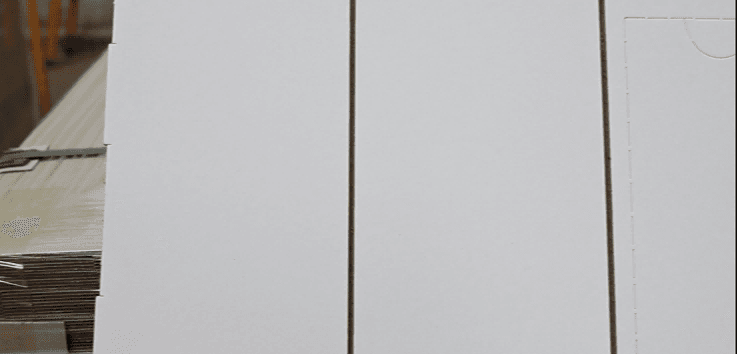
In real production systems, greyboard manufacturers typically supply:
- Multiple GSM options (800gsm–1800gsm)
- High-density rigid box board materials
- Custom thickness greyboard for gift boxes
- Laminated greyboard solutions for luxury packaging
These materials form the foundation of modern rigid box packaging systems, especially in cosmetics, perfume, jewelry, and premium retail industries.
9. Conclusion
The comparison of greyboard vs laminated greyboard for rigid boxes is not about which material is better, but about application needs and packaging objectives.
Greyboard defines structural performance.
Laminated greyboard defines visual branding and premium perception.
Both are essential components of modern gift box packaging materials, serving different roles in the packaging supply chain.
Author Profile

-
HONGTUSCENERY is a professional manufacturer of composite paperboard,
providing sustainable and customized packaging solutions for global brands.
With nearly 20 years of industry experience, we focus on material performance,
structural strength, and green supply chain development.
Latest entries
 Double-Sided Kraft Laminated Greyboard2026-10-13Hidden Costs in Kraft Board Procurement: Why the Lowest Price Is Not Always the Best Deal
 Industry Insights2026-10-10How to Reduce Profit Losses from Paperboard Procurement Amid RMB Exchange Rate Fluctuations
 Company News2026-10-03Kraft Paperboard: Applications, Performance Advantages & Sustainability
 Double-Sided Kraft Laminated Greyboard2026-09-305 Key Factors for Choosing a Reliable Kraft Board for Packaging Supplier