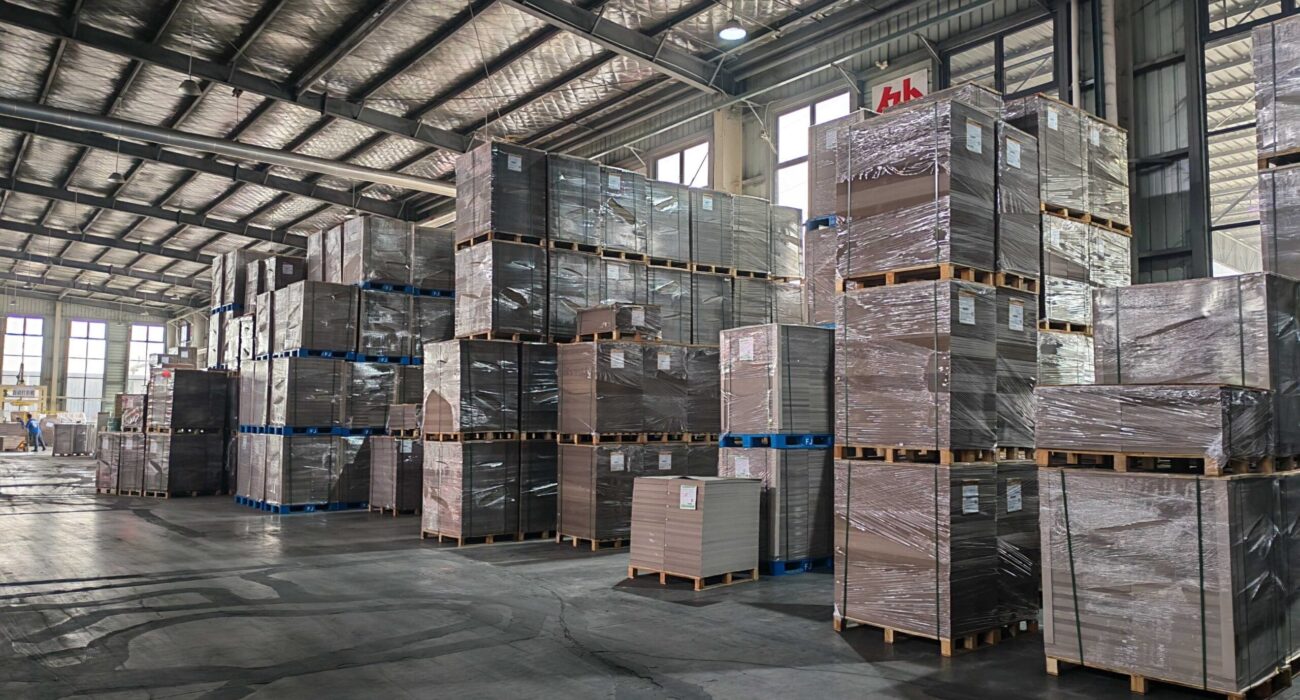
Grey Board Bulk Purchasing Guide: A Must-Read for Skincare Packaging Suppliers
When your skincare brand needs to buy grey board in bulk for packaging boxes, you quickly learn it’s more than just placing an order. How to choose the right grammage? How to vet suppliers? Can certifications save you customs costs?
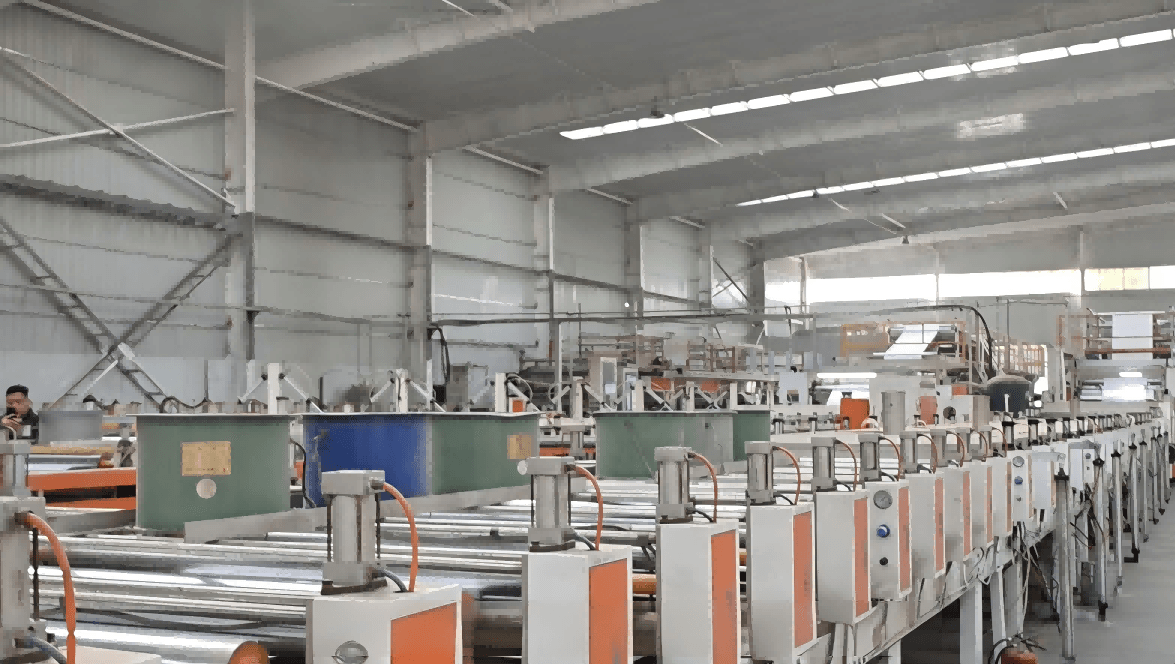
Grey board is the “skeleton” of cosmetic rigid boxes — laminated under decorative paper, it provides stiffness and strength. From a China-based B2B factory specializing in grey board exports, this guide offers practical bulk-buying advice to help you avoid pitfalls and get the best value.
Grey board is made from recycled waste paper, giving packaging a second life. According to the FSC, FSC-Recycled products “conserve valuable forest resources and reduce the pressure to cut down more trees.” This makes grey board a strong environmental differentiator for brands.
Table of Contents
- 5 Core Tips for Bulk Grey Board Purchasing
- Why Choose Us as Your Grey Board Supplier?
- Conclusion: The Essence of Bulk Purchasing Is Supply Chain Collaboration
- Appendix: Quick Checklist for Bulk Grey Board Purchasing
1. 5 Core Tips for Bulk Grey Board Purchasing
Tip 1: Heavier Grammage Isn’t Always Better — Match Precisely to Your Product’s Weight
Many buyers fall into the trap of assuming thicker grey board equals higher quality. But using unnecessarily heavy grey board not only drives up material costs but also increases lamination difficulty and shipping weight. The first step in bulk grey board purchasing is precise grammage matching.
How to do it: Work backwards from your product’s actual weight and gift box dimensions to determine the required grey board thickness. For example, a ceramic jar cream gift box may require 1350 g/m² or higher, while a lightweight serum single box can perform well with just 900 g/m². Precise grammage matching can cut per‑unit costs by 10–20%.
Tip 2: Request Samples and Conduct Small‑Batch Lamination Tests Before Placing a Bulk Order
As an industrial intermediate material, grey board’s batch‑to‑batch consistency in thickness uniformity, surface smoothness, and delamination or blistering directly affects lamination yield. Before placing a bulk order, ask your supplier for samples and run them through small‑batch lamination tests with your packaging manufacturer — this is the lowest‑cost way to uncover hidden problems.
How to do it: Send the samples to your packaging supplier and simulate mass‑production lamination, die‑cutting, and creasing. Confirm there is no delamination or surface rippling before finalizing the bulk order.
Tip 3: Vet Supplier Certifications — They Affect Your Customs Clearance Costs
Grey board is made from recycled waste paper, making it an inherently eco‑friendly material. But not all grey board is suitable for export or meets your customers’ sustainability requirements. When buying grey board in bulk, supplier certifications are a core screening criterion.
How to do it: If your brand serves Western markets, or if your customers are highly ESG‑conscious, verify that your supplier holds at least one of the following certifications:
- ISO 9001: Quality management system ensuring product consistency
- FSC Recycled: 100% recycled content certification to support your eco‑claims
- SGS Test Report: Compliance with REACH and other international environmental regulations
Certified grey board helps you avoid extra warehousing or penalty costs caused by material non‑compliance during export customs clearance.
Tip 4: The Pricing Logic of Bulk Purchasing — Based on Firm Orders, Not Verbal Promises
In export B2B, price negotiations are always built on firm orders. A customer’s verbal “annual usage of 100,000 tons” carries no weight, and suppliers won’t offer discounts based on it. Real negotiating leverage comes from:
- Container quantity per order: Ordering 5 containers vs. 1 container makes a noticeable difference in unit price
- History of cooperation: Customers who order consistently and pay on time naturally accumulate pricing advantages
How to do it:
- Break down your true demand (even a yearly estimate) into executable quarterly or semi‑annual orders, and negotiate based on firm orders
- If you’re not ready to commit to a full year’s volume, start with a trial container. After a smooth trial, subsequent orders can aim for tiered pricing based on mutual trust
- Don’t demand immediate price cuts based on “future big orders” — negotiate based on the volume of the order you’re placing today
Tip 5: Establish a Transparent Price Adjustment Mechanism with Your Supplier
Grey board prices are directly tied to upstream paper mill prices. As a supplier, we can’t promise fixed prices indefinitely, but we can build fair, predictable adjustment mechanisms.
How to do it:
- Lock prices per order: For a confirmed, batch‑delivered firm order (e.g., 50+ tons), we can lock the price for the entire batch at order confirmation, shielding it from subsequent market fluctuations
- Transparent notification: When upstream paper mills adjust prices, we proactively share the adjustment notice and cost basis, and provide a grace period (e.g., 7-10 days) rather than implementing changes immediately
This approach respects the reality of upstream cost pass‑through while giving customers better pricing and more stable expectations than spot purchases.
2. Why Choose Us as Your Grey Board Supplier?
As a China-based B2B factory focused on grey board exports, we understand every pain point you face when purchasing grey board in bulk. Here’s how we help you avoid cost traps and improve procurement efficiency:
- Consistent quality → Lower your reject rate
Our grey board is made from high‑purity recycled pulp with uniform thickness, a smooth surface, and no delamination or warping. That means your packaging manufacturer won’t face downtime or excessive scrap caused by poor board quality. - Broad grammage coverage → Match your needs precisely
We offer a full range from 600–1850 g/m² and can custom‑produce special grammages on request, covering everything from lightweight serum boxes to heavy‑duty gift sets. - Full international certifications → Hassle‑free export customs clearance
Our factory is ISO 9001 certified, and our products meet FSC Recycled, REACH, and SGS testing requirements. No matter which market you serve, customs clearance won’t be an unexpected headache. - Flexible MOQ → Start lean
Minimum order quantity as low as 3 tons, with batch delivery options. Emerging brands can start small and scale up gradually, while established brands enjoy better pricing at higher volumes. - Professional technical support → Help you specify the right board
We’re not just a paper trader. From material selection advice and structural design to layout optimization, our engineering team helps you account for every cent of cost.
3. Conclusion: The Essence of Bulk Purchasing Is Supply Chain Collaboration
When it comes to controlling packaging costs for skincare products, buying grey board in bulk is never just about “finding the lowest price.” Real cost advantage comes from understanding material properties, professionally vetting suppliers, and building pragmatic working relationships.
As a B2B factory specializing in grey board exports, we believe: A successful bulk purchase is the result of both brand and supplier working together — accounting for every cost and avoiding every pitfall — based on firm orders, transparent communication, and long‑term mutual trust. If you’re facing cost or material‑selection challenges when sourcing grey board for your skincare packaging boxes, feel free to reach out. We can send free samples and provide a detailed grammage recommendation and cost‑comparison analysis.
4. Appendix: Quick Checklist for Bulk Grey Board Purchasing
Before contacting a supplier, review each item below to ensure an efficient procurement process and controlled costs:
| No. | Checklist Item | Check |
|---|---|---|
| 1 | Have you determined the required grey board grammage range for your skincare packaging boxes? | □ |
| 2 | Have you requested physical samples from the supplier and run small‑batch lamination tests? | □ |
| 3 | Have you verified the supplier’s ISO 9001, FSC Recycled, or other certifications? | □ |
| 4 | Have you decided on the number of containers for this firm order (1/5/more)? | □ |
| 5 | Have you agreed with the supplier on a grace period (e.g., 7-10 days) for price adjustment notifications? | □ |
Using this checklist when communicating with suppliers can significantly reduce procurement risk and strengthen your negotiating position.
Author Profile

-
HONGTUSCENERY is a professional manufacturer of composite paperboard,
providing sustainable and customized packaging solutions for global brands.
With nearly 20 years of industry experience, we focus on material performance,
structural strength, and green supply chain development.
Latest entries
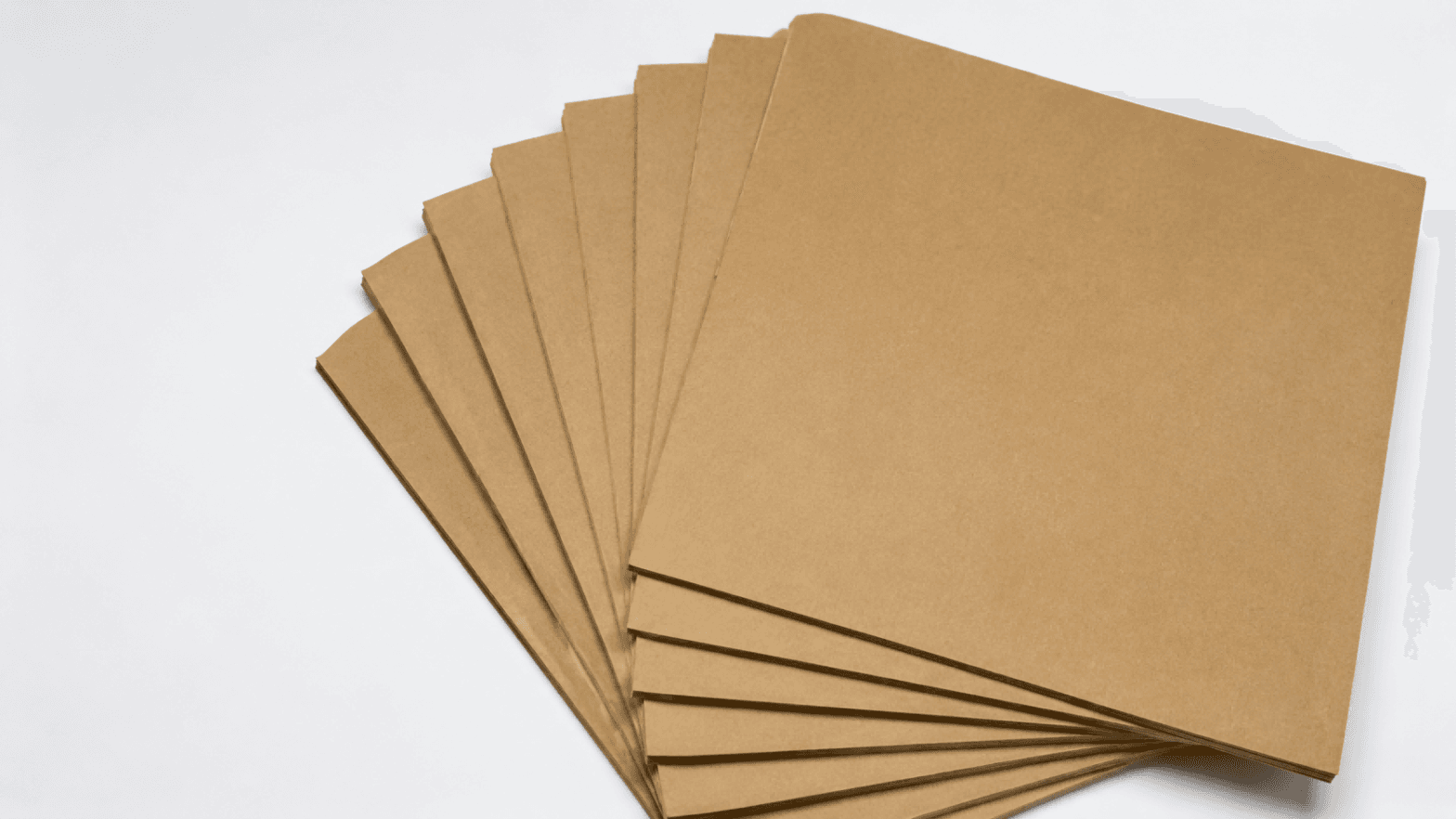 Double-Sided Kraft Laminated Greyboard2026-10-13Hidden Costs in Kraft Board Procurement: Why the Lowest Price Is Not Always the Best Deal
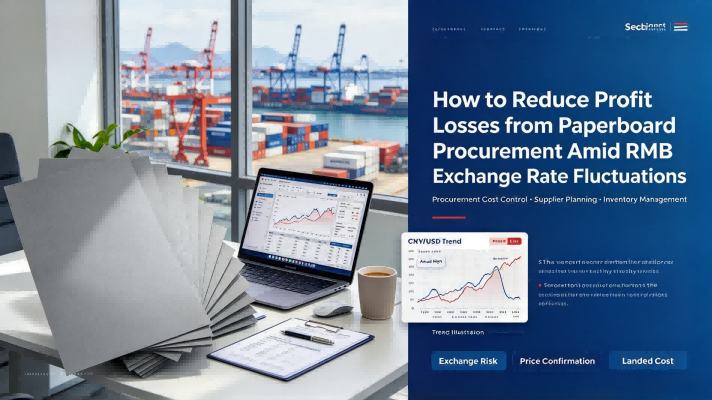 Industry Insights2026-10-10How to Reduce Profit Losses from Paperboard Procurement Amid RMB Exchange Rate Fluctuations
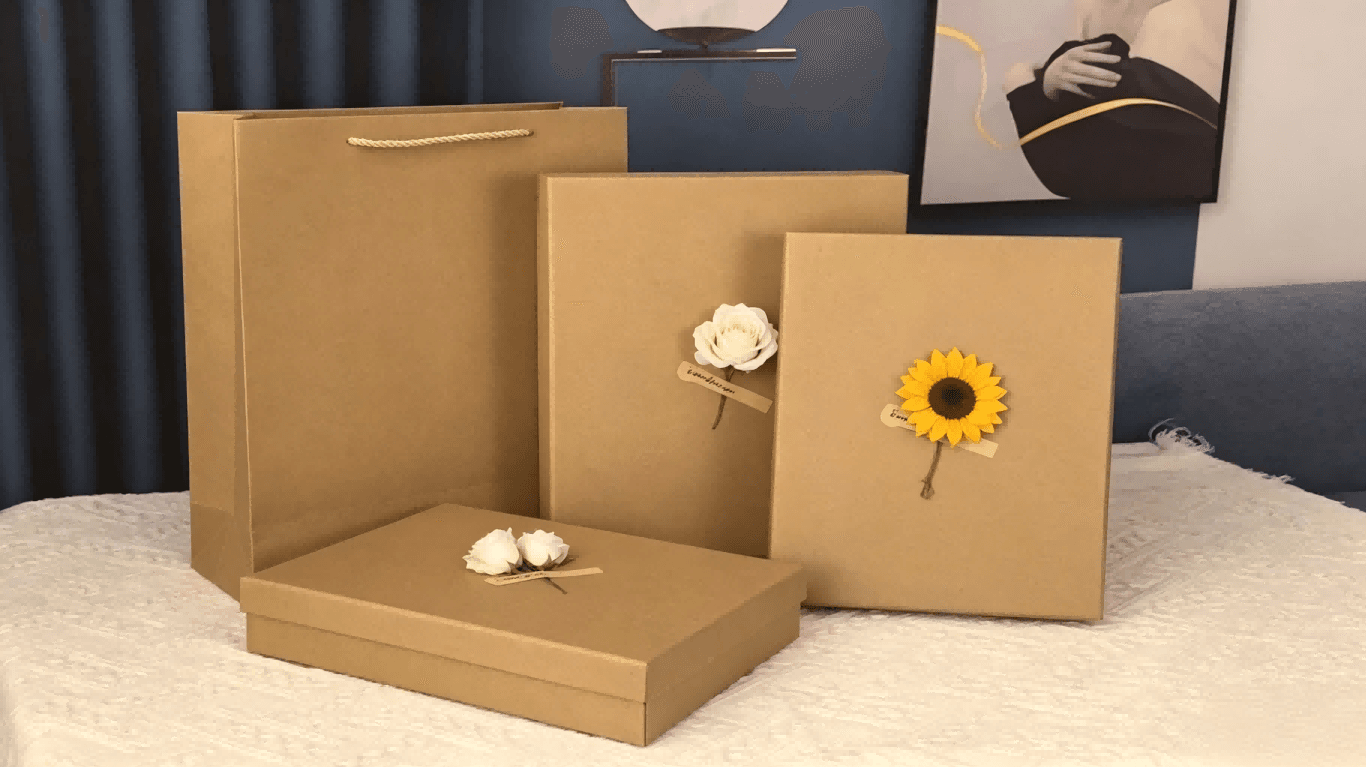 Company News2026-10-03Kraft Paperboard: Applications, Performance Advantages & Sustainability
 Double-Sided Kraft Laminated Greyboard2026-09-305 Key Factors for Choosing a Reliable Kraft Board for Packaging Supplier