Kraft Paperboard: Applications, Performance Advantages & Sustainability
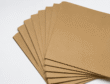
Kraft paperboard is a paperboard material commonly used in packaging, bookbinding, and paper product manufacturing. It is typically made by laminating kraft paper to a paperboard core, combining the natural appearance of kraft paper with greater thickness and stiffness.
Compared with ordinary kraft paper, kraft paperboard is better suited to products that require structural support, shape retention, or die-cutting. Its applications include not only packaging boxes, but also hang tags, folders, picture frame backing boards, and notebook covers.
1. What Products Is Kraft Paperboard Suitable For?
The specific applications of kraft paperboard depend on its thickness, structure, and finishing processes.
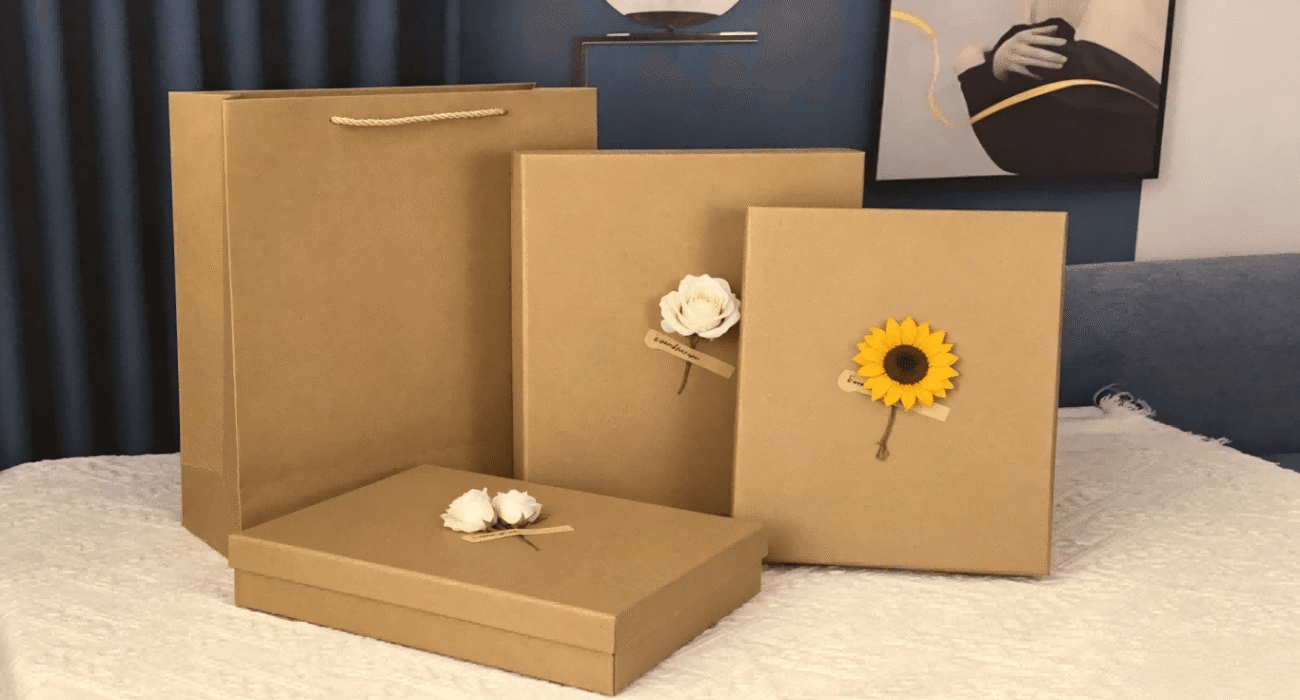
1. Gift Boxes and Product Packaging
Kraft paperboard can be used for gift boxes, product boxes, packaging sets, box lids, and some packaging inserts.
The kraft paper provides a natural paper texture, while the paperboard core provides thickness and structural support. Depending on the packaging structure, different thicknesses and single- or double-sided kraft laminated structures can be selected.
2. Clothing Hang Tags and Packaging Cards

Clothing hang tags, brand cards, and footwear and apparel packaging components typically require a certain level of thickness and stiffness while also placing emphasis on surface appearance.
Kraft paperboard can meet these requirements by combining a natural paper appearance with structural support. If both sides require a kraft paper surface, a double-sided kraft laminated structure can be used.
3. Cosmetics and Personal Care Packaging
Kraft paperboard can also be used for cosmetic boxes, skincare packaging, soap boxes, and similar products.
These products may require printing, die-cutting, embossing, foil stamping, or lamination. When selecting the material, it is therefore important to consider the required finishing processes as well as surface smoothness and processing performance.
4. Creative Products, Bookbinding, and Other Paper Products
Kraft paperboard is also suitable for some non-packaging applications, such as:
- Folders and folder backing boards
- Picture frame backing boards
- Notebook covers
- Book covers
- Display cards and support cards
- Product inserts and dividers
These products generally require the paperboard to maintain a certain shape, making thickness and stiffness important material specifications.
2. What Are the Performance Advantages of Kraft Paperboard?
1. Structural Support
By laminating kraft paper with a paperboard core, kraft paperboard can provide greater overall thickness and stiffness while retaining the appearance of kraft paper. This makes it more suitable than ordinary kraft paper for products that require structural support.
2. Natural Paper Appearance
Kraft paper has a natural color and paper texture that can become part of the product’s visual appearance. It can also be printed according to the application.
3. Good Stiffness
The paperboard core provides good stiffness, helping the material maintain its shape after cutting, die-cutting, and forming. For products such as folder backing boards, picture frame backing boards, notebook covers, and packaging boxes, stiffness is an important material specification.
4. Certain Moisture Resistance
Kraft paperboard itself is not the same as a waterproof material, but suitable paper, laminated structures, and surface treatments can improve the material’s stability under certain humid conditions.
3. Sustainability Value of Kraft Paperboard

Kraft paperboard is a paper-based material, and its sustainability value is mainly related to the source of its raw materials and how fibers are utilized. Compared with materials that rely entirely on virgin fibers, using recycled fibers or wood fibers from sustainably managed sources can reduce reliance on virgin resources.
This can be understood from the following two aspects:
1. Raw Material Composition
Kraft paper can be made from virgin wood pulp, recycled fibers, or a combination of both.
Using recycled fibers can increase the reuse of recovered paper fibers, while virgin wood pulp from sustainably managed forests can support the long-term supply of pulp raw materials. Therefore, different raw material compositions can provide different sustainability benefits.
2. FSC and Other Relevant Certifications
For kraft paper made from virgin wood pulp, FSC and other forest certification schemes can serve as a reference for whether the raw material source meets sustainable forest management requirements.
For packaging projects with environmental or sustainable sourcing requirements, certified kraft paper can provide clearer documentation of raw material sources.
4. How to Choose the Right Kraft Paperboard?
When selecting kraft paperboard, you can work backward from the finished product to determine the material specifications.
1. Define the Application
Identify whether the material will be used for a packaging box, hang tag, folder, picture frame backing board, notebook cover, or another paper product.
2. Determine Thickness and Stiffness
Determine the required thickness based on the finished product structure and processing method rather than looking at GSM alone.
3. Determine the Surface Structure
Confirm whether a single-sided or double-sided kraft surface is required, and whether printing, lamination, or other finishing processes will be applied.
4. Determine the Sheet Size
If die-cutting is required, select the appropriate sheet size based on the die layout and nesting arrangement to reduce material waste.
5. Confirm the Specifications With the Supplier
When requesting a quotation, it is best to provide the application, thickness, GSM, sheet size, surface requirements, and estimated order quantity.
If the material has not yet been finalized, you can provide a finished product sample or structural requirements and ask the supplier to recommend a suitable paperboard based on the actual application.
Conclusion
Kraft paperboard is not limited to packaging boxes. It can also be used for hang tags, folder backing boards, picture frame backing boards, notebook covers, and other paper products that require a natural paper appearance and structural support.
When selecting kraft paperboard, it is important to consider more than GSM or color. The material specifications should be determined according to the application, thickness, and structure. For projects with specific thickness, sheet size, or single- and double-sided kraft requirements, the supplier’s ability to provide a stable supply and the required certification documents should also be considered during procurement.
Author Profile

-
HONGTUSCENERY is a professional manufacturer of composite paperboard,
providing sustainable and customized packaging solutions for global brands.
With nearly 20 years of industry experience, we focus on material performance,
structural strength, and green supply chain development.
Latest entries
 Double-Sided Kraft Laminated Greyboard2026-10-13Hidden Costs in Kraft Board Procurement: Why the Lowest Price Is Not Always the Best Deal
 Industry Insights2026-10-10How to Reduce Profit Losses from Paperboard Procurement Amid RMB Exchange Rate Fluctuations
 Company News2026-10-03Kraft Paperboard: Applications, Performance Advantages & Sustainability
 Double-Sided Kraft Laminated Greyboard2026-09-305 Key Factors for Choosing a Reliable Kraft Board for Packaging Supplier