Hidden Costs in Kraft Board Procurement: Why the Lowest Price Is Not Always the Best Deal
When purchasing Double-Sided Kraft Laminated Greyboard, comparing suppliers solely by price per ton can overlook other factors that affect the total procurement cost, including transportation, material quality, and delivery conditions.
For packaging manufacturers, the real cost of procurement goes beyond the material price. Understanding these often-overlooked expenses helps buyers compare supplier quotations more accurately and avoid unnecessary costs.
1. Transportation and Handling Costs
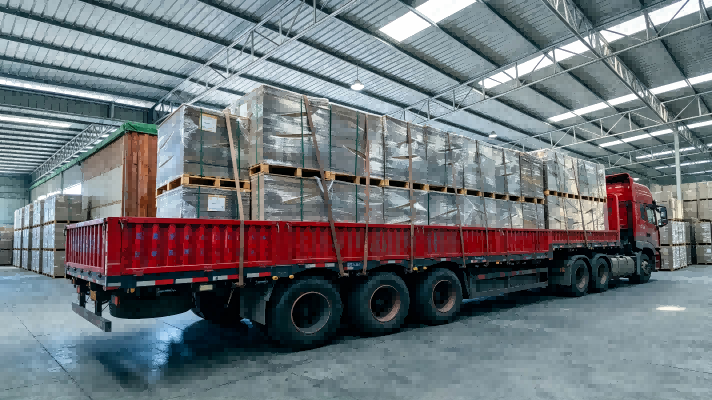
The quoted material price may not include all expenses associated with delivering the goods. Depending on the agreed trade terms, ocean freight, port handling, customs clearance, and inland transportation can all affect the final procurement cost.
When comparing quotations, buyers should confirm whether the prices are based on EXW, FOB, or CIF terms and clarify which costs are included and which must be paid separately.
Proper packaging is also important during transportation. Paperboard needs adequate protection against moisture, contamination, and physical damage. Before placing an order, buyers should confirm the packaging method, container-loading arrangements, and the responsibilities of each party to reduce the risk of additional losses during transit.
2. Material Quality Variations and Production Waste
Paperboard that does not consistently meet the agreed specifications may increase material waste during downstream processing.
For example, variations in thickness, sheet dimensions, surface condition, or board structure may affect cutting, die-cutting, laminating, and other converting processes. This can result in material waste, machine adjustments, or defective products.
To reduce these risks, buyers and suppliers should confirm product specifications, acceptable tolerances, and quality inspection criteria before production. Where necessary, buyers can request samples and conduct production trials to verify whether the material meets their requirements.
3. Processing Costs and Material Compatibility
A lower-priced paperboard does not necessarily result in a lower overall cost. If the material is unsuitable for the intended production process, additional machine adjustments or process changes may be required.
For example, the board surface may not meet the requirements of a particular printing or laminating process, or its stiffness may be insufficient for the finished product. These issues can affect production efficiency and final product quality.
Before placing a bulk order, buyers should explain the intended application and key processing requirements to the supplier. Sample testing can help verify material compatibility and reduce the risk of discovering problems after bulk production begins.
4. Delivery Delays and Production Planning

Paperboard deliveries that arrive later than expected can disrupt packaging manufacturers’ production schedules and customer order commitments.
If materials are delayed, manufacturers may need to adjust production plans, potentially affecting subsequent orders. Buyers should therefore confirm production lead times, order quantities, shipping arrangements, and delivery responsibilities in advance.
For recurring orders, maintaining communication with the supplier about production progress and shipment schedules can also help reduce uncertainty.
5. How to Minimize Hidden Costs in Kraft Board Procurement
The key to minimizing hidden costs is to evaluate suppliers carefully and clarify product specifications, quality standards, quotation terms, and delivery arrangements before placing an order. Addressing these details in advance is generally more effective than dealing with unexpected expenses after problems arise.
First, prioritize manufacturers with reliable production capabilities. Evaluate whether a supplier has the appropriate production facilities, quality management systems, and order execution capabilities rather than comparing quotations alone. Manufacturers with established production management and quality control processes are better positioned to maintain consistent quality and organize production according to confirmed order requirements.
Second, confirm product specifications and quality requirements before bulk purchasing. Clearly define the board structure, thickness, GSM, sheet dimensions, and acceptable tolerances. Request samples and conduct production trials where necessary. Agreeing on quality inspection criteria can help prevent misunderstandings and material incompatibility.
Third, verify quotation and delivery terms in advance. Ask suppliers to clarify material prices, trade terms, packaging requirements, payment methods, and lead times. Confirm whether any additional services or special requirements incur separate charges. Important specifications and delivery arrangements should be documented in the purchase order.
For companies with ongoing procurement needs, working with a manufacturer that has substantial production resources and the capacity to support continuing orders can also help establish a more stable supply relationship.
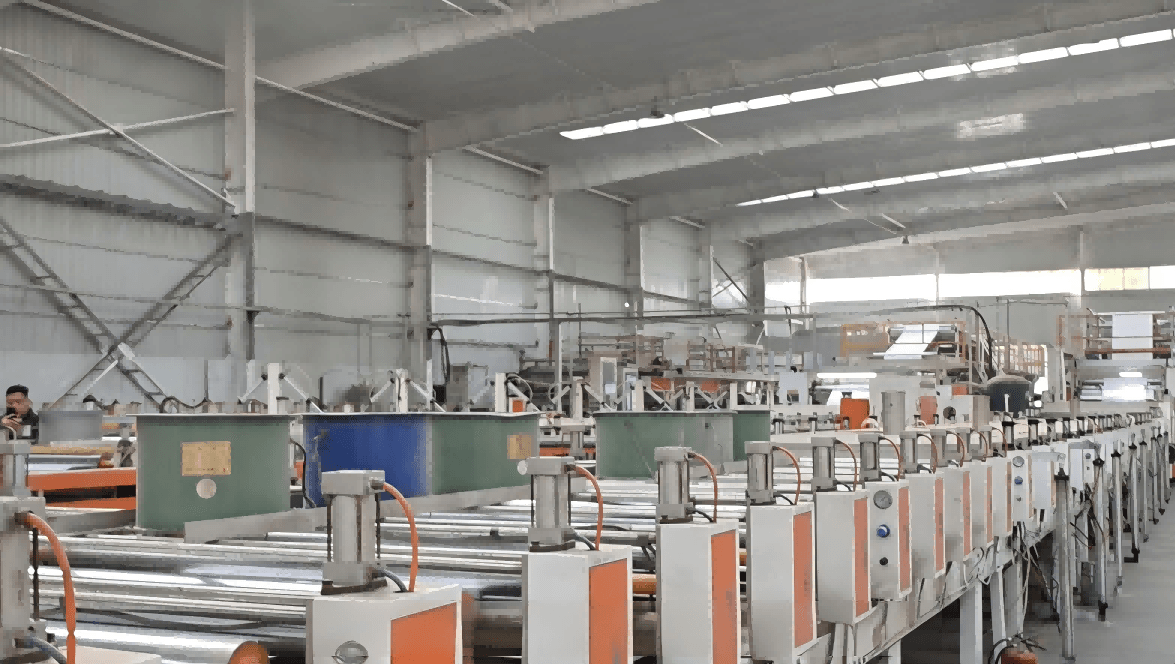
HONGTUSCENERY has 19 production lines, 7 production bases, and an annual production capacity exceeding 200,000 metric tons, providing manufacturing support for paperboard procurement. For kraft paper laminated greyboard requirements, buyers can discuss the required board structure, thickness, GSM, sheet dimensions, and order quantity with our team. Specific product availability, production conditions, and delivery schedules can then be confirmed according to the order requirements.
By selecting an appropriate manufacturer, clearly defining purchasing requirements, and verifying key details before ordering, buyers can better manage procurement risks and reduce avoidable expenses.
Conclusion
The lowest quoted price does not always represent the most cost-effective procurement option. For kraft board buyers, transportation expenses, material quality, processing compatibility, and delivery conditions can all affect the overall cost.
Before selecting a supplier, compare quotations using consistent product specifications and trade terms, clarify applicable charges, and verify material performance through sample testing where necessary. A structured procurement process helps businesses evaluate suppliers more accurately and reduce uncertainty throughout the purchasing process.
Author Profile

-
HONGTUSCENERY is a professional manufacturer of composite paperboard,
providing sustainable and customized packaging solutions for global brands.
With nearly 20 years of industry experience, we focus on material performance,
structural strength, and green supply chain development.
Latest entries
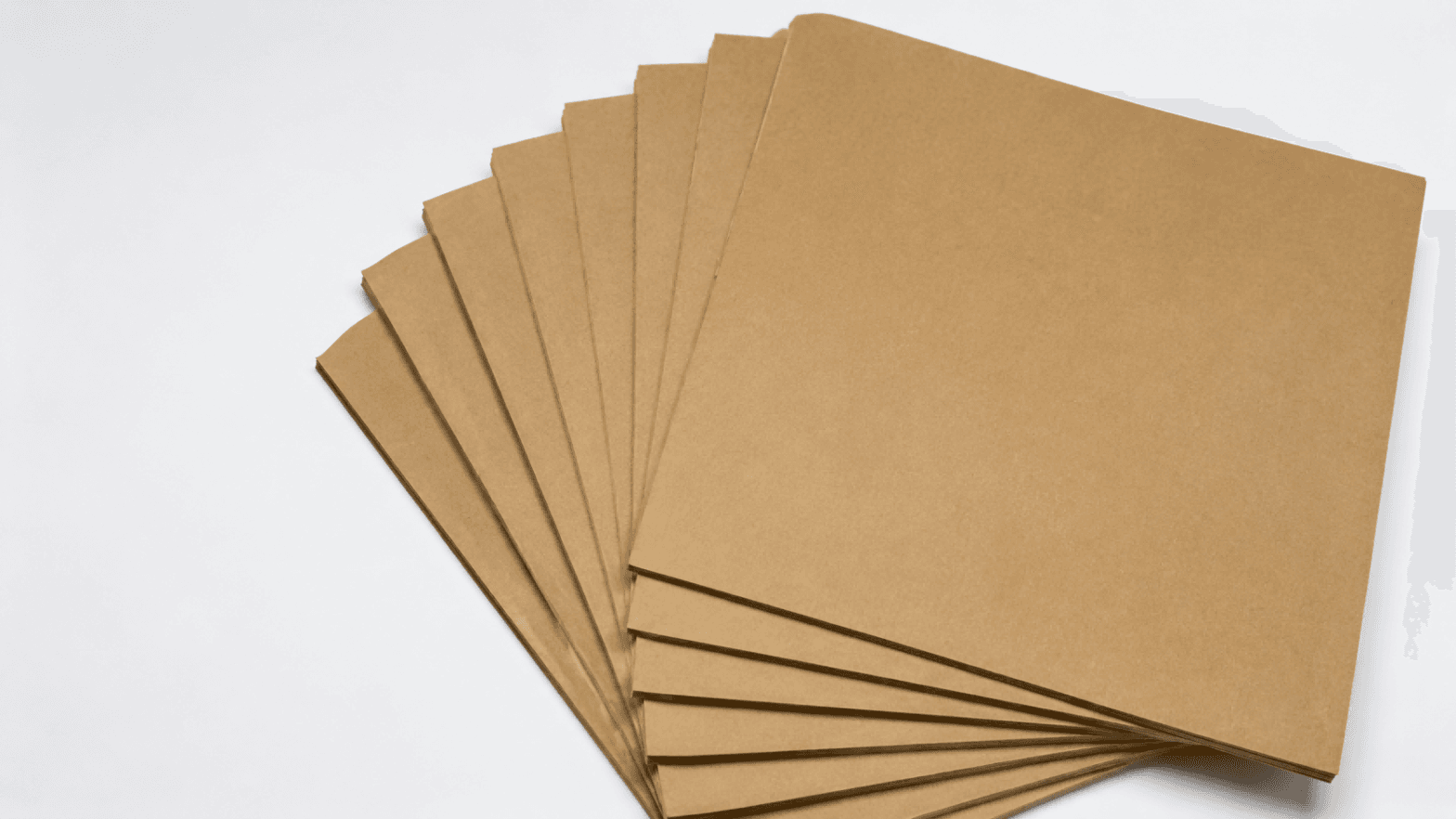 Double-Sided Kraft Laminated Greyboard2026-10-13Hidden Costs in Kraft Board Procurement: Why the Lowest Price Is Not Always the Best Deal
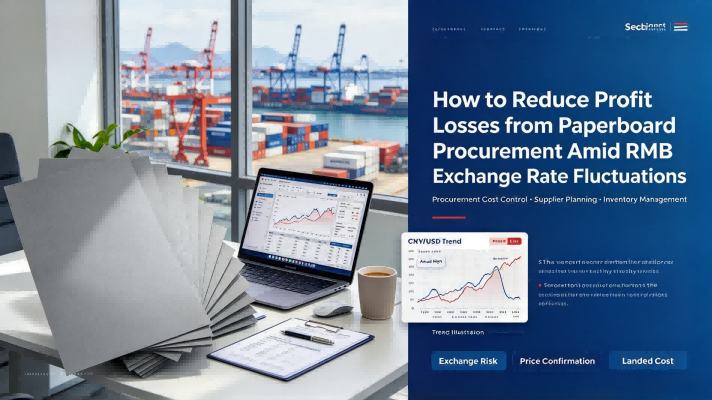 Industry Insights2026-10-10How to Reduce Profit Losses from Paperboard Procurement Amid RMB Exchange Rate Fluctuations
 Company News2026-10-03Kraft Paperboard: Applications, Performance Advantages & Sustainability
 Double-Sided Kraft Laminated Greyboard2026-09-305 Key Factors for Choosing a Reliable Kraft Board for Packaging Supplier