Paperboard Delamination: How Packaging Manufacturers Can Identify and Prevent It
For packaging products such as gift boxes, cosmetic packaging, and hardcover books, paperboard delamination can cause layer separation, edge lifting, or poor lamination, resulting in material waste, rework, and customer complaints. Understanding common defects and their causes helps packaging manufacturers reduce quality risks during purchasing and incoming inspection.
1. What Are the Common Types of Paperboard Delamination?
- Minor delamination: Localized weak bonding that may worsen during further processing.
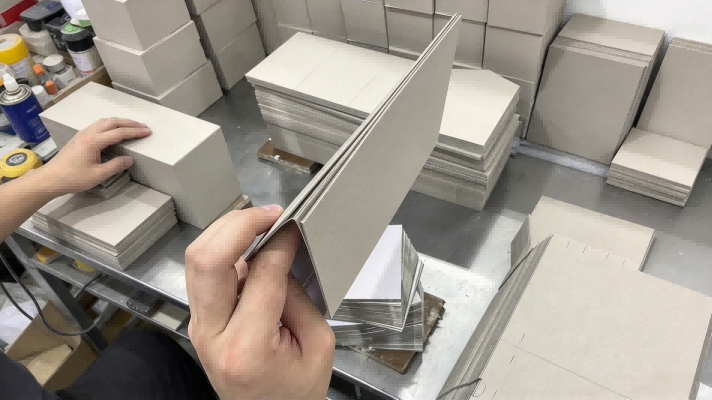
- Layer separation: Different layers of the paperboard visibly separate.
- Unbonded areas: Some areas fail to bond properly, creating gaps or blisters.
- False bonding: The layers appear bonded but have insufficient bond strength and can separate easily.
- Incomplete adhesive coverage: Adhesive does not fully cover the bonding area, resulting in weak spots.
- Edge delamination: Paperboard edges lift or separate, potentially affecting subsequent processing.
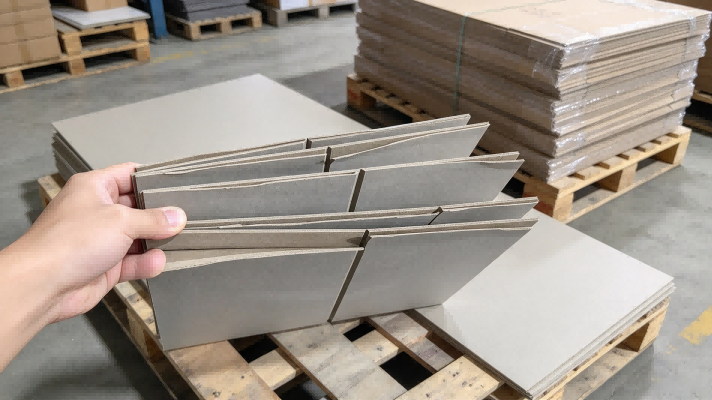
Some defects may not be visible during routine visual inspection and require appropriate bonding quality tests to identify.
2. How Does Delamination Affect Packaging Manufacturers?
- Material waste: Paper, adhesives, and labor costs may be lost when products are rejected.
- Reduced production efficiency: Sorting, rework, and remanufacturing can delay production.
- Poor finished-product quality: Delamination may cause uneven surfaces, lifted edges, or structural weakness.
- Customer complaints: Defects discovered after delivery may lead to returns, replacements, and additional costs.
3. Common Causes of Paperboard Delamination
Paperboard delamination is often related to interlayer bonding, adhesive application, and process stability during manufacturing.
Insufficient Internal Bond Strength of the Base Paper: If the fibers within the base paper are not sufficiently bonded, the paper itself may be prone to delamination, and the problem may become more apparent during subsequent paperboard lamination or processing. For composite paperboard used in puzzles, strong internal bonding is particularly important because it helps maintain structural stability and reduce the risk of delamination during processing.
- Insufficient or uneven adhesive application: Too little adhesive, missed areas, or uneven distribution can result in unbonded areas, incomplete bonding, or edge delamination.
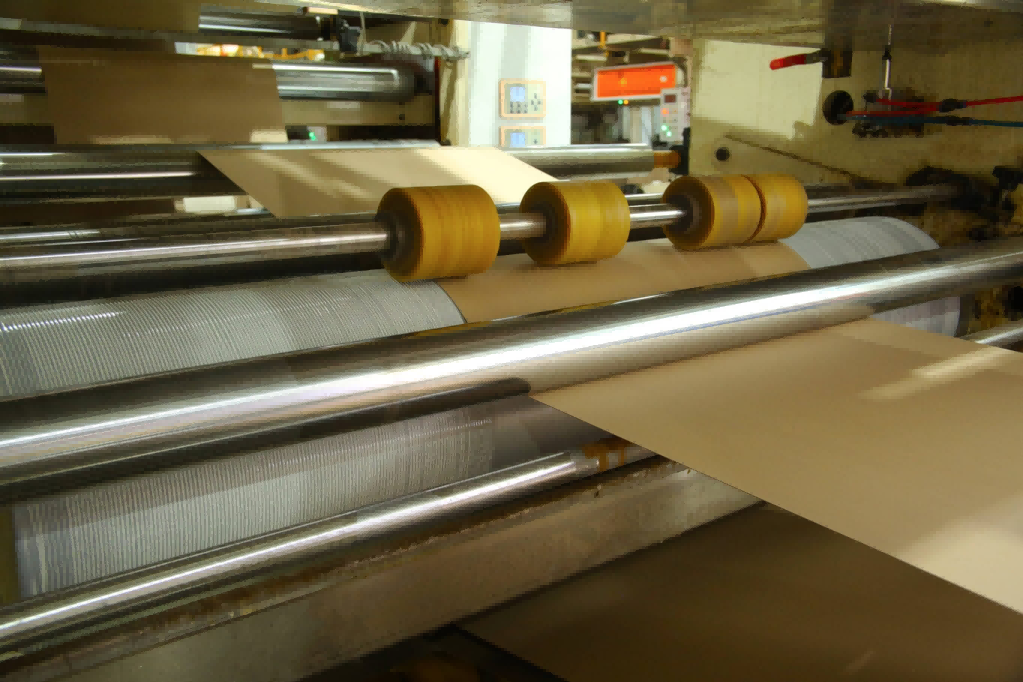
- Unsuitable adhesive formulation or properties: Incorrect mixing ratios, inadequate mixing, or improper viscosity may affect bonding performance.
- Poor pressing or drying control: Unsuitable process conditions may prevent the layers from forming a stable bond.
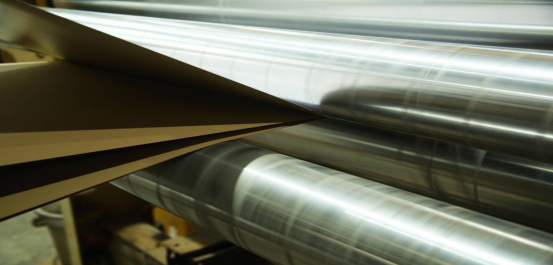
- Inconsistent production conditions: Variations in equipment operation or process parameters can cause bonding quality to differ across a batch or between batches.
Paperboard manufacturers can reduce these defects through stable adhesive application, proper pressing and drying controls, process inspections, and batch quality records.
4. How Can Packaging Manufacturers Reduce the Risk of Delamination?
1. During Purchasing: Evaluate Suppliers
- Define quality requirements: Specify bonding quality requirements and acceptance criteria for delamination defects.
- Assess quality control: Understand the supplier’s quality control procedures and measures.
- Verify samples: Test samples from new suppliers or new specifications before placing bulk orders.
2. During Incoming Inspection: Check Bonding Quality
- Inspect appearance: Look for layer separation, lifted edges, or localized looseness.
- Conduct bonding tests: Use suitable bond-strength testing methods when necessary.
- Handle defects promptly: Isolate affected batches and contact the supplier to investigate the cause.
3. During Production and Traceability: Track Quality Issues
Consider a small-scale production trial before full-scale use. If delamination occurs, record the product specifications, supplier, batch details, and defect locations. For recurring issues, ask the supplier to implement corrective actions and verify improvements in subsequent batches.
5. Conclusion
Reducing the risk of paperboard delamination requires stable manufacturing processes and strict quality control. HONGTUSCENERY maintains a quality management system certified to ISO standards and offers a wide range of paperboard products and customized specifications for different packaging applications.
If you are also struggling with paperboard delamination or inconsistent bonding quality, HONGTUSCENERY can provide professional product recommendations and technical support to help you find a suitable paperboard solution. Contact us to learn more about our products and manufacturing capabilities.
Author Profile

-
HONGTUSCENERY is a professional manufacturer of composite paperboard,
providing sustainable and customized packaging solutions for global brands.
With nearly 20 years of industry experience, we focus on material performance,
structural strength, and green supply chain development.
Latest entries
 Paperboard Fabrication Service2026-11-27How Packaging Companies Improve Competitiveness Through Optimized Material Sourcing & Processing Supply Chains
 Paperboard Fabrication Service2026-11-26Grey Board Converting Services: Die Cutting, Grooving and Corner Rounding to Reduce Packaging Production Steps
 Packaging Knowledge2026-11-18How to Choose the Right Grey Board? 6 Key Factors to Consider
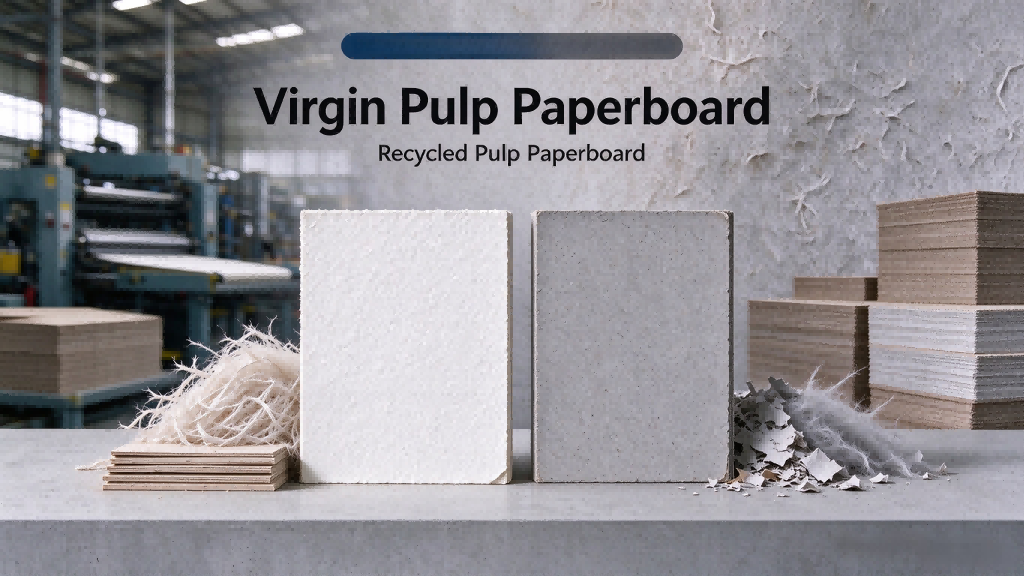 Packaging Knowledge2026-11-11Virgin Pulp Paperboard vs. Recycled Pulp Paperboard: How Do Different Raw Materials Affect Paperboard Performance?