Why Do Gift Boxes Develop Mold or Moisture Damage? Causes and Prevention
Gift boxes may develop black mold-like spots, sticking paper surfaces, box deformation, or warped edges during production, storage, or transportation. These problems can affect the appearance and structural integrity of the finished boxes, potentially leading to product waste, delivery delays, and additional costs.
Reducing these risks requires quality control at multiple stages, including paperboard manufacturing, production processes, storage conditions, and transportation.
1. Why Do Gift Boxes Develop Mold or Moisture Damage?
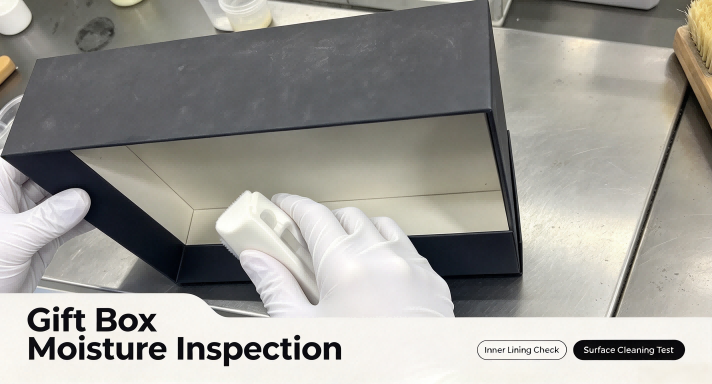
Mold, black spots, sticking paper surfaces, and box deformation may result from the moisture condition of the paperboard, transportation and storage conditions, or issues during gift box manufacturing.
1. Unsuitable Moisture Content in Paperboard
If moisture content is not properly controlled during paperboard manufacturing, the moisture content at delivery may fall outside the required specifications. This can create quality risks during subsequent processing and storage. Paperboard quality, packaging protection, and batch consistency can also affect its performance in later applications.
2. Moisture Exposure During Transportation
Paperboard may be exposed to rain, humid air, or condensation caused by temperature fluctuations during transportation. This is particularly relevant during ocean freight, when temperature and humidity changes inside shipping containers can lead to condensation. If packaging protection is insufficient, moisture may penetrate the paperboard stack, increasing the risk of moisture damage and subsequent mold growth.
3. Improper Storage at the Gift Box Manufacturer’s Facility
After delivery, paperboard may absorb moisture if the storage area has high humidity, the floor is damp, the packaging is damaged, or the material remains exposed to humid air for extended periods. If moisture-damaged paperboard is not identified before production, the problem may carry over into subsequent manufacturing stages.
4. Problems During Gift Box Manufacturing
Gift box production involves processes such as paper mounting, die-cutting, and gluing. Incorrect adhesive application, insufficient drying time, or stacking semi-finished products before they have dried adequately may cause warping or deformation. High humidity in the production area and surface contamination may also increase the risk of quality problems.
It is important to note that black spots are not necessarily mold. They may also result from ink, stains, or other contamination. Their cause should be assessed based on their appearance, storage conditions, and production records.
2. How Can Mold and Moisture Damage to Gift Boxes Be Prevented?
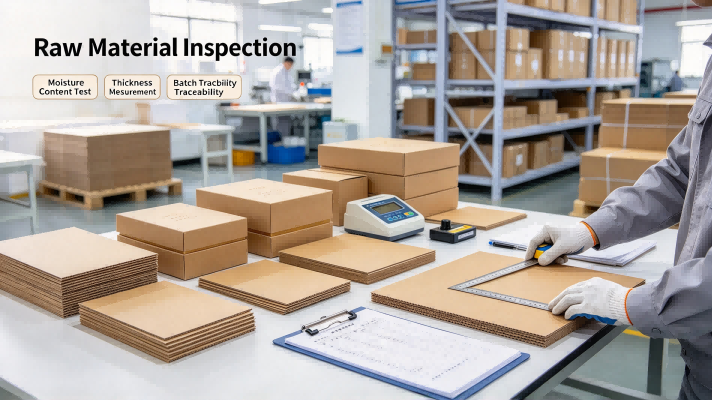
Preventing mold and moisture damage starts with selecting a reliable paperboard supplier and continues through incoming inspection, gift box manufacturing, finished-product storage, and transportation.
1. Choose a Paperboard Supplier with a Strong Quality Management System
When sourcing paperboard, check whether the supplier has an established quality management system, such as ISO 9001 certification, as well as documented production controls, outgoing inspection procedures, and batch traceability. It is also important to understand whether the supplier follows standardized export packaging procedures and provides appropriate moisture protection to reduce the risk of damage during transportation.
2. Inspect Paperboard Upon Delivery
After delivery, promptly check the packaging for damage or moisture exposure and inspect the paperboard for mold spots, unusual odors, or deformation. Sample inspection should cover key quality parameters, including grammage, thickness, and moisture content, according to the purchase agreement and product specifications. If any parameters fall outside the agreed requirements or the packaging is damaged, isolate the affected material and contact the supplier before using it in production.
3. Implement Quality Control During Gift Box Manufacturing
Before full-scale production, conduct a small trial run to evaluate the paperboard’s performance in mounting, die-cutting, and gluing. Proceed with mass production only after confirming that the finished boxes show no significant sticking, warping, or deformation. During production, control adhesive application and drying time according to the process requirements, and keep the production area clean to reduce quality risks.
4. Manage Finished-Product Packaging and Storage Properly
Gift boxes should be packaged only after meeting the drying requirements of the manufacturing process. Avoid sealing products that still contain excessive moisture. Storage areas should be clean and dry, with relatively stable temperature and humidity. Use pallets to keep products off the floor and maintain adequate clearance from potentially damp walls. Inspect inventory regularly and follow a first-in, first-out (FIFO) system to minimize prolonged storage.
5. Strengthen Moisture Protection During Transportation
Before shipping gift boxes, check that the container is clean, dry, and free from leaks, and ensure that the packaging is suitable for the expected transportation conditions. For long-distance ocean freight, assess the need for container desiccants based on the route, season, transit time, and packaging conditions. Upon arrival, inspect the packaging and products promptly and address any signs of moisture damage as early as possible.
3. How Can Paperboard and Gift Box Quality Be Controlled at the Source?
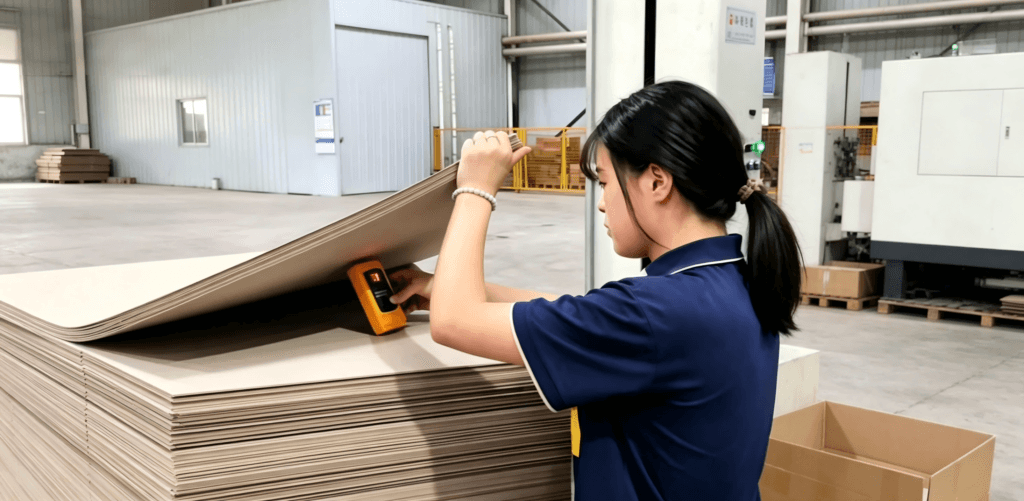
Preventing mold and moisture damage starts with raw material selection and requires quality control throughout the supply chain.
For gift box manufacturers, choosing a paperboard producer with a well-established quality management system is an important step toward reducing raw material risks. A professional paperboard manufacturer should have standardized production controls, key parameter inspections, and batch traceability procedures. Standardized export packaging can also help reduce the risk of moisture exposure during transportation.
HONGTUSCENERY holds ISO 9001 quality management system certification and has experience in paperboard manufacturing and export supply. Through standardized production management, product quality inspections, and export packaging procedures, we help customers better manage raw material quality and transportation-related risks.
Combined with the gift box manufacturer’s incoming inspections, production controls, and storage protection, these measures form a more comprehensive quality management process, helping reduce the risk of mold and moisture damage during processing, storage, and transportation.
Conclusion
Mold, moisture damage, sticking, and deformation in gift boxes rarely have just one possible cause. They may involve raw material quality, temperature and humidity fluctuations, manufacturing processes, and storage and transportation conditions.
From selecting a reliable paperboard supplier and inspecting incoming materials to controlling production processes and managing packaging, storage, and transportation, every stage matters. A comprehensive quality control process can help reduce quality risks, minimize material waste, and maintain consistent finished gift box quality.
Author Profile

-
HONGTUSCENERY is a professional manufacturer of composite paperboard,
providing sustainable and customized packaging solutions for global brands.
With nearly 20 years of industry experience, we focus on material performance,
structural strength, and green supply chain development.
Latest entries
 Paperboard Fabrication Service2026-11-27How Packaging Companies Improve Competitiveness Through Optimized Material Sourcing & Processing Supply Chains
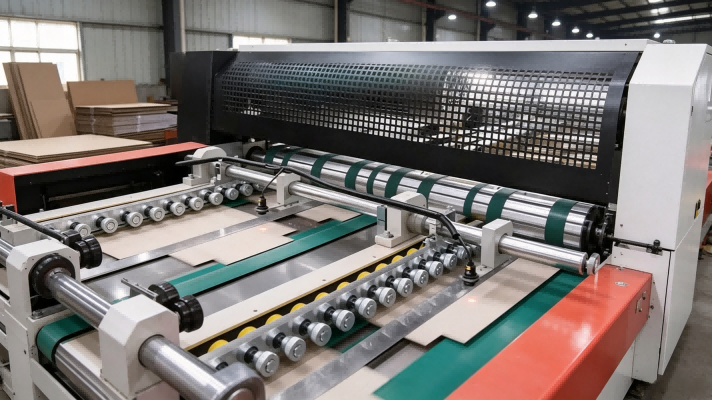 Paperboard Fabrication Service2026-11-26Grey Board Converting Services: Die Cutting, Grooving and Corner Rounding to Reduce Packaging Production Steps
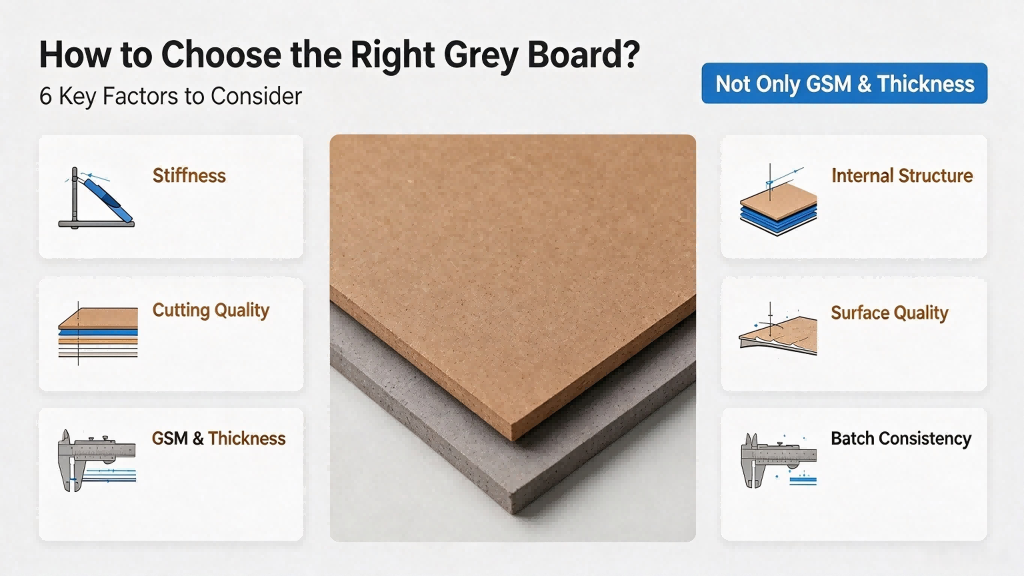 Packaging Knowledge2026-11-18How to Choose the Right Grey Board? 6 Key Factors to Consider
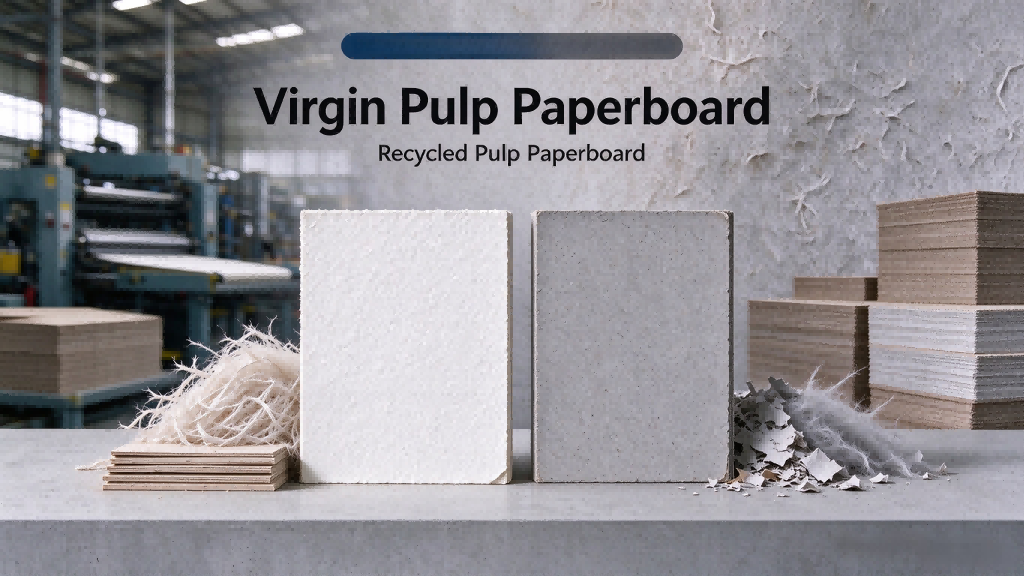 Packaging Knowledge2026-11-11Virgin Pulp Paperboard vs. Recycled Pulp Paperboard: How Do Different Raw Materials Affect Paperboard Performance?