Unlined Grey Board vs. Double Grey Board: Key Differences, Applications, and Buying Guide
Greyboard can be classified into different types, including unlined grey board and double grey board, depending on their raw materials and manufacturing processes. Both are primarily made from recycled paper. The main differences lie in their pulp composition, surface structure, appearance, stiffness, and production costs. Understanding these differences helps packaging buyers select the right material based on product requirements, processing needs, and budget.
1. What Is Unlined Grey Board?
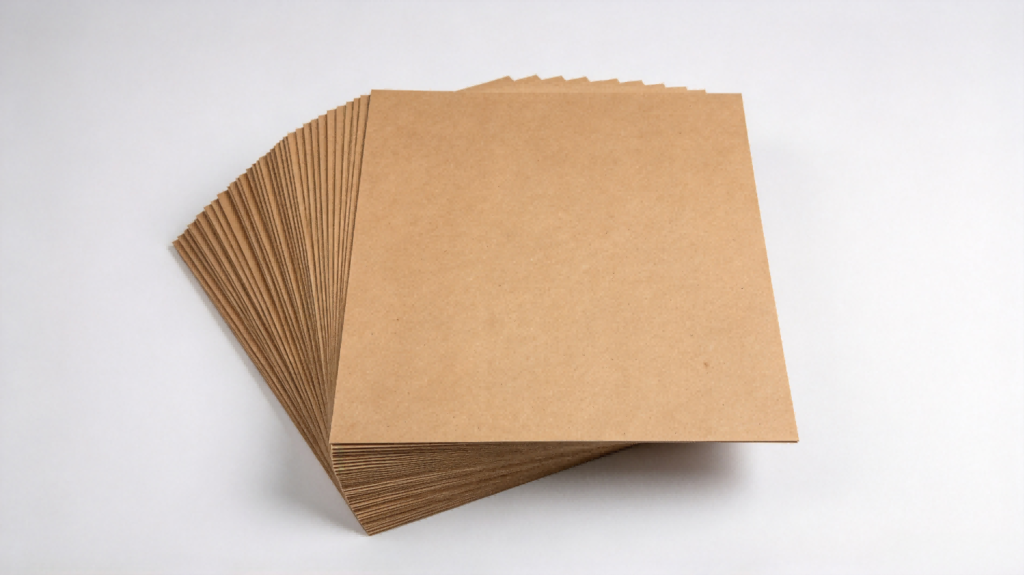
Unlined grey board is generally manufactured from recycled paper pulp. The top, middle, and bottom layers are made from the same type of waste paper pulp, without separately prepared pulp layers for the top and bottom surfaces. As a result, the board retains the natural color of its base material, which is typically yellowish or darker, depending on the composition of the recycled paper and the manufacturing process.
Unlined grey board is suitable for applications where surface appearance is less important and cost-effectiveness and basic structural support are the main priorities. Common applications include bulk packaging, shoeboxes, and desk calendars.
Because it does not require separately prepared top and bottom pulp layers, unlined grey board generally involves a simpler manufacturing process and offers a cost advantage.
2. What Is Double-Grey Board?
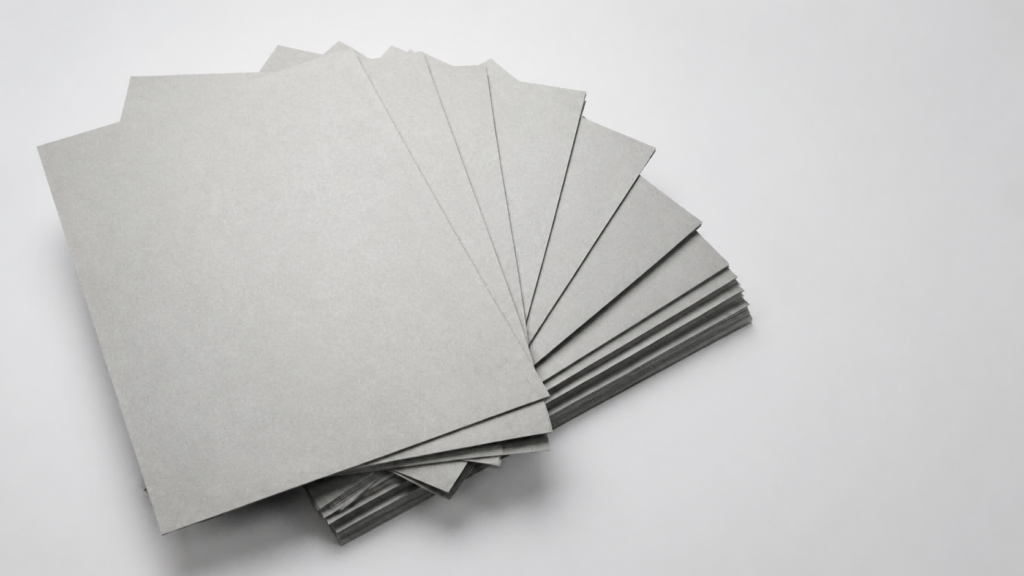
Double grey board is produced using an unlined grey board base, with additional pulp layers made from selected waste newspaper pulp applied to both the top and bottom surfaces. This process gives both sides of the board their characteristic grey appearance.
Compared with unlined grey board, whose top, middle, and bottom layers are made from the same type of waste paper pulp, double grey board generally has a smoother, more even surface. It may also offer better stiffness under comparable conditions.
Double grey board is commonly used for gift boxes, folders, bookbinding, and other products that require a certain level of surface quality and structural support.
It is worth noting that product names and specific board structures may vary between suppliers. Buyers should therefore confirm the material structure, technical specifications, and physical samples before placing an order.
3. Key Differences Between Unlined Grey Board and Double Grey Board
1. Pulp Composition and Material Structure
Unlined grey board uses the same type of waste paper pulp for all layers, while double grey board incorporates selected waste newspaper pulp into the top and bottom layers to create a different surface structure.
2. Appearance, Smoothness, and Stiffness
Unlined grey board typically has a yellowish or darker surface, whereas double grey board generally has a grey appearance on both sides and a smoother, more even finish. Under comparable conditions, double grey board may also offer better stiffness.
If the finished product requires a higher level of surface quality or structural support, it is advisable to compare samples of both materials for smoothness, stiffness, and processing performance.
3. Applications
Unlined grey board is more suitable for packaging and industrial applications where appearance is a secondary consideration and cost control is important. Typical uses include bulk packaging, shoeboxes, and desk calendars.
Double grey board is commonly used for gift packaging, folders, and bookbinding, particularly where surface quality and structural support are important. The final choice should depend on the product structure, appearance requirements, and processing methods.
4. Purchasing Costs
Unlined grey board is generally less expensive than double grey board because double grey board requires additional pulp preparation for its top and bottom layers, making the manufacturing process relatively more complex.
However, the actual price difference also depends on board specifications, raw material costs, grammage, thickness, order quantity, and the supplier’s production capabilities. Even products with similar specifications may have different prices from different suppliers.
For more information about the factors that influence pricing, including raw materials and manufacturing processes, see our article on the main factors affecting greyboard prices.
4. How to Choose the Right Board for Your Needs
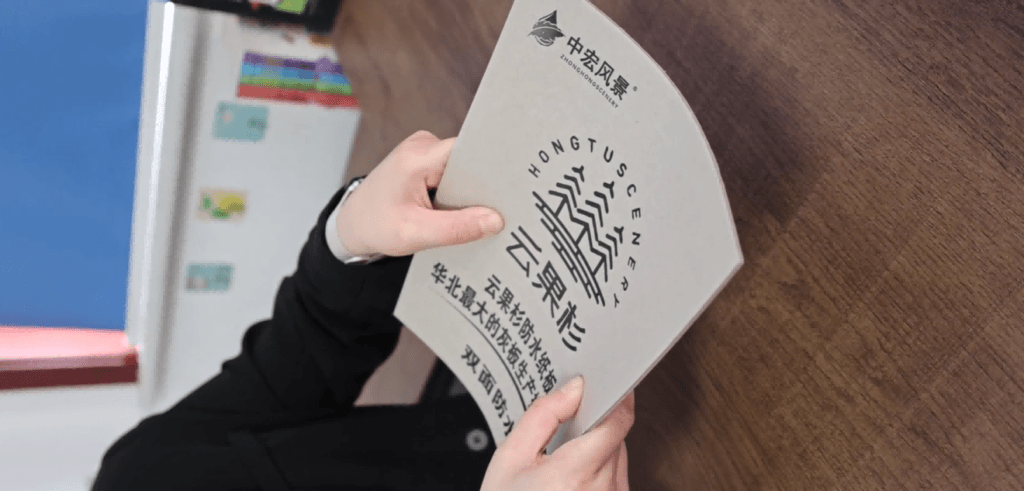
Before finalizing a purchasing decision, buyers should evaluate the following factors:
- End Use: Determine whether the board is primarily needed for structural support, product protection, or a combination of functional performance and appearance.
- Thickness and Stiffness: Select suitable specifications based on the finished product’s structure, load-bearing requirements, and processing equipment. Compare actual stiffness performance where necessary.
- Surface Requirements: Assess the required color, smoothness, and surface finish for the final product.
- Sample Testing: Evaluate surface uniformity, layer bonding, stiffness, cutting performance, and suitability for the intended manufacturing process.
- Purchasing Requirements: Confirm grammage, thickness, sheet size, minimum order quantity, pricing, and lead time.
For bulk purchasing projects, it is advisable to compare unlined grey board and double grey board using the same or similar specifications and test physical samples before making a final decision. This helps control purchasing costs while reducing the risk of unexpected surface quality or structural performance issues.trol material costs and reduces the risk of selecting board that does not meet production requirements.
Conclusion
When purchasing greyboard, buyers should look beyond the unit price and consider the intended application, processing requirements, and actual sample performance to evaluate the overall cost. Selecting a board that matches the product’s specific requirements helps balance budget control with production needs.
Author Profile

-
HONGTUSCENERY is a professional manufacturer of composite paperboard,
providing sustainable and customized packaging solutions for global brands.
With nearly 20 years of industry experience, we focus on material performance,
structural strength, and green supply chain development.
Latest entries
 Paperboard Fabrication Service2026-11-27How Packaging Companies Improve Competitiveness Through Optimized Material Sourcing & Processing Supply Chains
 Paperboard Fabrication Service2026-11-26Grey Board Converting Services: Die Cutting, Grooving and Corner Rounding to Reduce Packaging Production Steps
 Packaging Knowledge2026-11-18How to Choose the Right Grey Board? 6 Key Factors to Consider
 Packaging Knowledge2026-11-11Virgin Pulp Paperboard vs. Recycled Pulp Paperboard: How Do Different Raw Materials Affect Paperboard Performance?