How to Reduce Profit Losses from Paperboard Procurement Amid RMB Exchange Rate Fluctuations
For overseas companies sourcing paperboard from China, changes in the RMB exchange rate affect not only payment amounts but also procurement budgets, product pricing, and overall profit margins. When the RMB depreciates, overseas buyers may benefit from more favorable exchange rates if Chinese suppliers maintain their RMB-denominated prices. However, these benefits can be offset if suppliers adjust their prices in foreign currencies or if raw material and transportation costs rise at the same time.
For paperboard importers, packaging manufacturers, and paper product converters, managing exchange rate fluctuations requires more than predicting currency movements. Procurement planning, supplier selection, order scheduling, and supply chain management all play a role in reducing cost uncertainty.
Why Can RMB Exchange Rate Fluctuations Eat into Paperboard Procurement Profits?
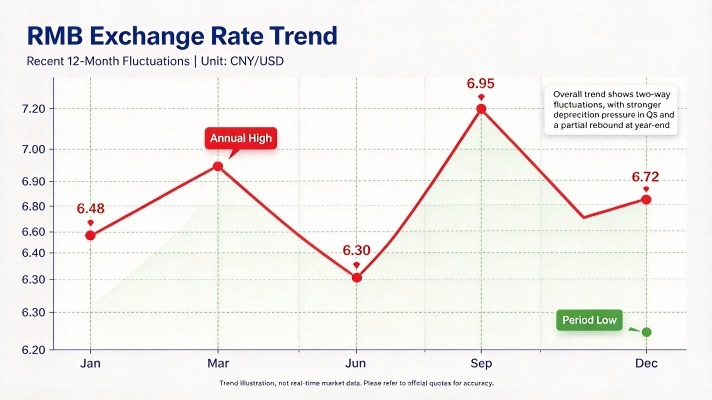
Exchange rates are only one component of procurement costs. Profit losses can also result from:
- Exchange rate differences between initial quotations and final transactions
- Long delays between requesting a quotation and confirming an order
- Fluctuations in international freight, customs duties, insurance, and other landed costs
- Excess inventory, tied-up working capital, and cutting waste
- Unreliable supplier lead times that result in emergency replenishment orders
The key to reducing profit losses is not predicting exchange rate movements, but establishing a practical procurement cost management process.
1. Monitor Exchange Rates and Plan Paperboard Procurement Budgets in Advance
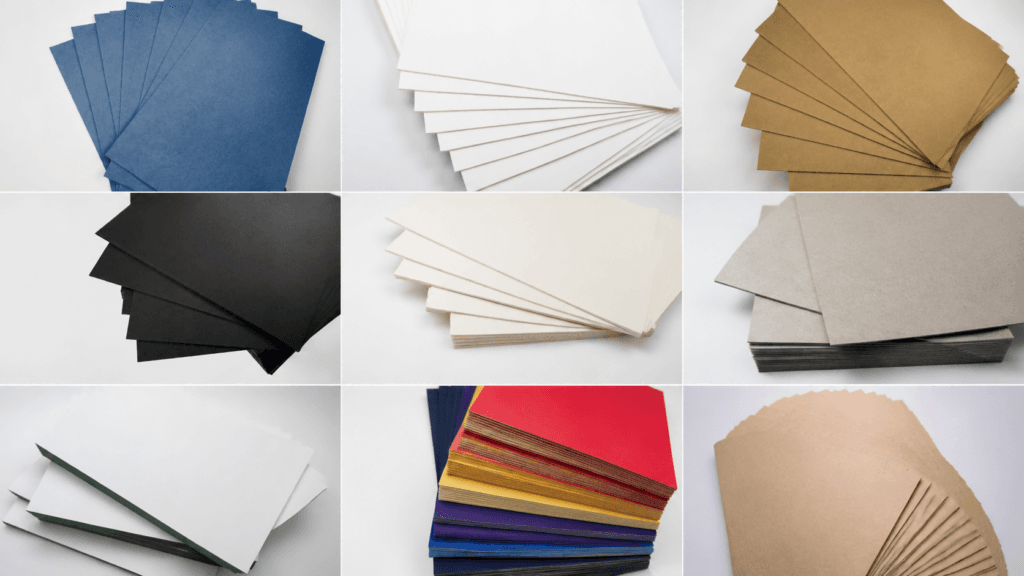
Exchange rate movements affect the cost of purchases settled in foreign currencies. By reviewing historical purchasing data, sales forecasts, and inventory levels, businesses can develop procurement plans in advance and schedule purchases more effectively, reducing the need for last-minute replenishment.
Buyers can manage frequently used paperboard grades separately from products with less predictable demand or specialized specifications.
- Products with stable demand: Discuss expected order volumes and delivery schedules with suppliers in advance.
- Products with uncertain demand: Maintain purchasing flexibility and avoid building excessive inventory simply because exchange rates appear favorable.
Tip: Exchange rate movements are difficult to predict accurately. Procurement decisions should be based primarily on actual demand rather than assumptions that the RMB will continue to depreciate or appreciate.
2. Use the Pre-Order Window to Secure Paperboard Prices
When quoting paperboard, suppliers generally consider the prevailing exchange rate, raw material costs, and freight rates. An initial quotation serves as a preliminary price indication, while the final transaction price is agreed upon when the order is confirmed.
Once the price has been finalized, it generally remains unchanged unless otherwise agreed. As a result, exchange rate fluctuations can have a significant impact during the period between the initial quotation and order confirmation.
Buyers can take the following steps to manage this risk.
1. Record the exchange rate when requesting a quotation
When receiving a preliminary quotation, record the market exchange rate on that day or during that week. This provides a reference for comparing exchange rate movements before placing the order. Without needing to ask the supplier about its exchange rate assumptions, buyers can assess whether the rate has changed significantly and decide whether to reconfirm the final price.
2. Shorten the quotation-to-order cycle
Internal approvals, supplier comparisons, and sample evaluations can take time, potentially making an initial quotation outdated. Where the supplier and product specifications are already familiar, streamlining internal decisions can help buyers confirm orders more efficiently when exchange rates are relatively favorable or stable.
3. Confirm prices in writing when placing the order
At the order confirmation stage, agree with the supplier on the final unit price, settlement currency, and payment schedule. Confirm in writing whether the agreed price will remain fixed despite subsequent exchange rate movements.
4. Maintain transparent communication
If the exchange rate changes significantly after the initial quotation, communicate with the supplier promptly to discuss a mutually acceptable final price before confirming the order.
By managing this pre-order window carefully, buyers can reduce the risk of preliminary quotations becoming invalid and final procurement costs exceeding the budget. This helps keep exchange rate uncertainty within a manageable period before the price is finalized.
3. Improve Procurement Planning by Evaluating Factory Production Capacity
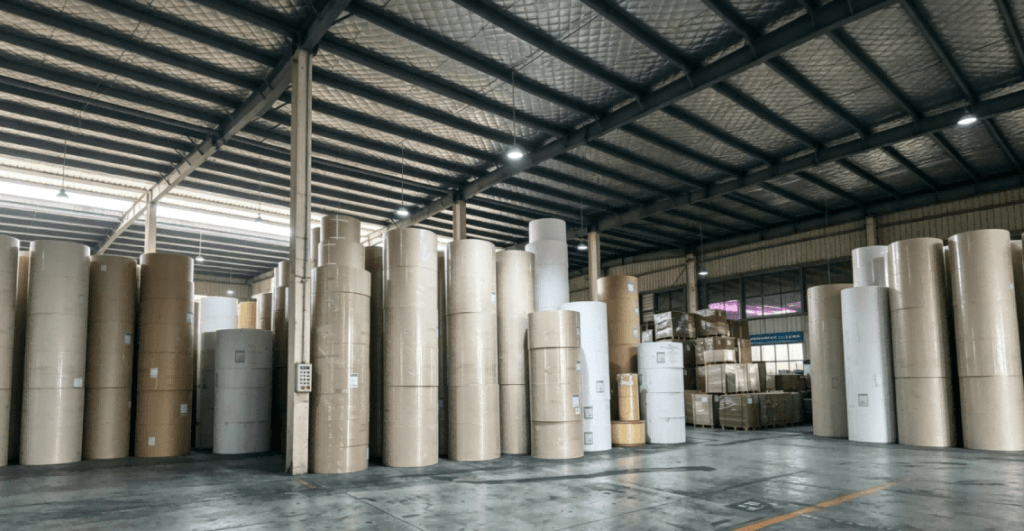
A supplier’s production capacity affects not only supply efficiency but also the buyer’s ability to plan purchases and manage inventory. For companies that purchase paperboard regularly, access to reliable production resources can support advance demand planning and reduce uncertainty associated with urgent replenishment.
HONGTUSCENERY operates 19 production lines across seven production bases and can coordinate production arrangements according to different products and order requirements. For customers with recurring purchasing needs, discussing commonly used specifications, expected order volumes, and delivery schedules in advance can help both parties coordinate future orders and production more effectively.
For buyers, establishing an ongoing demand planning process with a factory is often more useful than requesting quotations and placing orders at the last minute. By clarifying order quantities, production lead times, and delivery arrangements, buyers can plan inventory and working capital more effectively, reducing additional costs caused by uncertain supply schedules.
4. Balance Order Sizes and Frequencies Against Inventory Costs
When the RMB depreciates, some buyers may consider placing larger orders in advance to take advantage of favorable exchange rates. However, if actual demand is insufficient, the additional costs of financing, storing, and potentially losing inventory can outweigh the exchange rate benefits.
A more balanced approach is to determine purchasing schedules according to demand patterns and supply conditions.
- Standard grades with stable demand: Evaluate whether production can be consolidated while purchases or deliveries are arranged in stages.
- Seasonal or project-based demand: Schedule procurement according to confirmed customer orders and sales forecasts.
- Customized specifications: Confirm production lead times and minimum order quantities in advance to avoid urgent additional orders.
- Payment and delivery arrangements: Agree on quotation validity, payment milestones, and delivery schedules to reduce uncertainty in subsequent costs.
If the factory can accommodate the production plan, buyers may also discuss consolidated production with staggered deliveries. Whether this arrangement is feasible, along with any associated warehousing, transportation, and payment conditions, should be agreed upon according to the specific order.
5. Track Total Procurement Costs, Not Just Exchange Rates
Exchange rates are only one part of paperboard procurement costs. Buyers should track:
- Paperboard prices and settlement exchange rates
- Freight, customs duties, and other import costs
- Cutting waste and inventory turnover
Comparing costs across orders helps identify the main sources of cost increases and opportunities for savings. Companies with regular foreign currency payments can also consult their banks about risk management tools, such as forward exchange contracts, and evaluate their costs and risks before use.
Conclusion: Manage Procurement Costs to Protect Profit Margins
Managing RMB exchange rate fluctuations requires more than price negotiation. Advance planning, clear pricing agreements, inventory control, and cost tracking can help reduce uncertainty and protect profit margins.
Working with a reliable paperboard manufacturer and planning orders around actual demand can further improve procurement efficiency.
CTA: Sourcing paperboard from China? Contact HONGTUSCENERY for product specifications, sample testing support, and procurement planning based on your requirements.
Author Profile

-
HONGTUSCENERY is a professional manufacturer of composite paperboard,
providing sustainable and customized packaging solutions for global brands.
With nearly 20 years of industry experience, we focus on material performance,
structural strength, and green supply chain development.
Latest entries
 Double-Sided Kraft Laminated Greyboard2026-10-13Hidden Costs in Kraft Board Procurement: Why the Lowest Price Is Not Always the Best Deal
 Industry Insights2026-10-10How to Reduce Profit Losses from Paperboard Procurement Amid RMB Exchange Rate Fluctuations
 Company News2026-10-03Kraft Paperboard: Applications, Performance Advantages & Sustainability
 Double-Sided Kraft Laminated Greyboard2026-09-305 Key Factors for Choosing a Reliable Kraft Board for Packaging Supplier