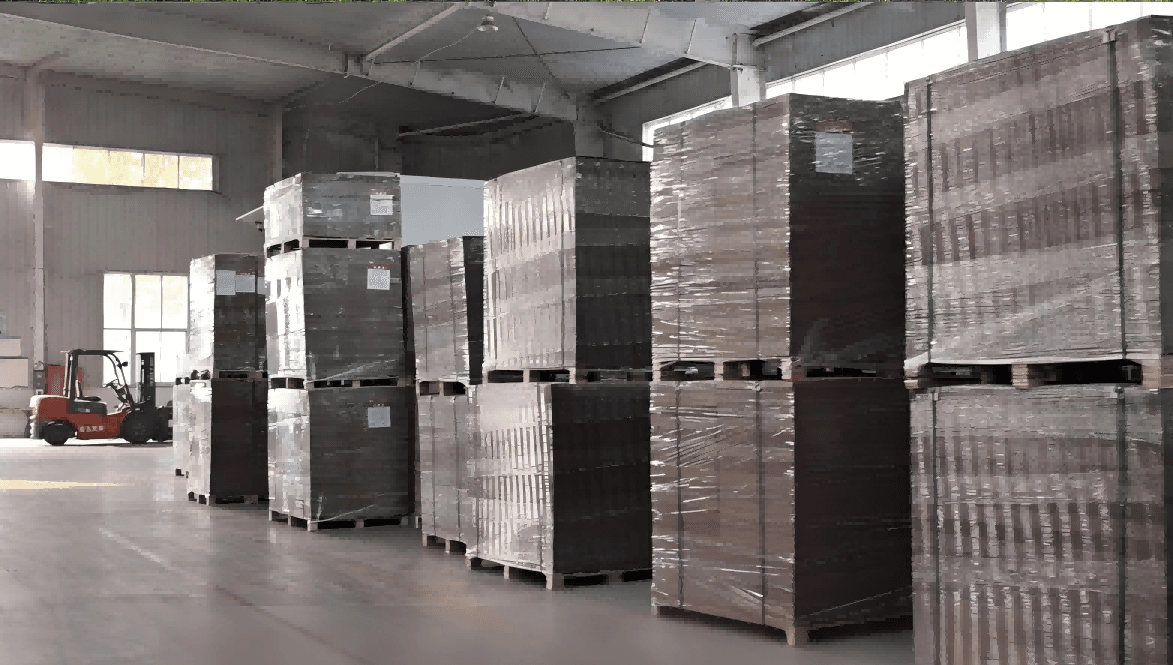
How to Find an Alternative to EASK Greyboard: Evaluating Quality and Cost
If you currently use EASK greyboard and are looking for a more cost-effective alternative, the key question is whether another board can meet your existing product and processing requirements.
Changing suppliers involves more than comparing product specifications and prices. Quality control, production capacity, and long-term supply reliability also need to be considered before deciding whether an alternative is suitable.
1. Which Quality Parameters Should You Compare?
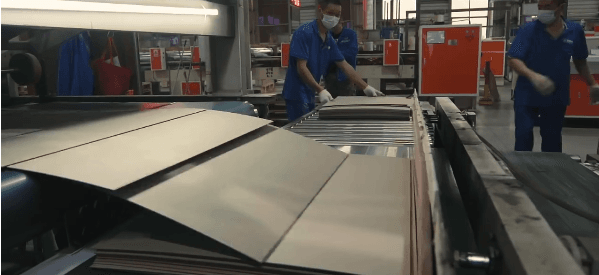
Thickness and grammage are useful starting points when evaluating alternative greyboard, but they do not fully reflect its performance. Depending on the intended application, the following factors should be considered:
- Thickness and grammage: Whether the board meets the required specifications and tolerances.
- Stiffness: Whether it provides sufficient support for the finished product.
- Flatness: Whether it is suitable for subsequent laminating, die-cutting, or bookbinding processes.
- Surface and edge quality: Whether the board meets appearance and processing requirements.
- Batch consistency: Whether specifications and performance remain consistent across production batches.
The importance of each parameter depends on the application. For example, greyboard used in rigid gift boxes may require particular attention to stiffness, flatness, and laminating performance, while bookbinding applications may place greater emphasis on thickness consistency and cutting performance.
2. How Can You Verify Whether an Alternative Meets Your Quality Requirements?
The most reliable approach is to compare samples of the alternative board with your current material.
First, establish the specifications of your existing greyboard and select a candidate with comparable specifications. Then, compare relevant performance indicators under the same test conditions. Where necessary, conduct production trials involving die-cutting, laminating, bookbinding, or other relevant processes.
Acceptance criteria should be agreed upon before testing so that the results can be evaluated objectively rather than relying solely on appearance or subjective impressions.
Even when two boards have similar thickness and grammage, their actual performance may differ. Without physical samples or comparable test data, it is not appropriate to conclude that two products offer equivalent quality.
3. What Supplier Qualifications Should You Evaluate Beyond Price?

When looking for a more cost-effective greyboard supplier, it is important to assess whether the manufacturer can meet your requirements consistently over the long term.
- Quality control: Understand the manufacturer’s inspection procedures, batch management practices, and ability to maintain agreed specifications.
- Production capacity: Assess production scale, available capacity, and delivery capabilities to determine whether the manufacturer can support current orders and future demand.
- Certifications and compliance: Check whether the supplier can provide certifications or supporting documentation required by your market and application, such as applicable FSC Chain of Custody certification or ISO management system certifications. Verify their validity and scope.
- Supply reliability: Evaluate raw material availability, production scheduling, and lead-time management to reduce the risk of supply disruptions.
- Total purchasing cost: Once product quality and supply capabilities have been established, compare quotations alongside freight costs and delivery terms.
Changing suppliers is not simply a purchasing decision; it is also an assessment of long-term supply capability. A lower quotation is meaningful only when the product, quality controls, production capacity, and relevant qualifications meet your requirements.
4. What Information Should You Prepare Before Changing Suppliers?
To make the evaluation process more efficient, prepare the following information:
- The thickness, grammage, and sheet size of your current greyboard.
- The final application and subsequent processing methods.
- Essential performance and quality requirements.
- The existing board’s technical data sheet or a physical sample, if available.
- Expected order quantities and any required certifications.
This information helps narrow down suitable specifications before sample testing. Before placing a production order, both parties should also agree on technical specifications, acceptance criteria, and delivery requirements.
Looking for a More Cost-Effective Greyboard Solution?
For buyers currently using EASK greyboard, evaluating an alternative should involve more than comparing brands or quotations. Product performance, supplier qualifications, and long-term supply reliability all matter.
HONGTUSCENERY manufactures greyboard and can discuss potential product options based on your specifications and application requirements. You are welcome to share your current board specifications or a physical sample so that suitable options and sample evaluation requirements can be discussed.
The suitability of any alternative should ultimately be determined by actual test results and mutually agreed quality requirements.
Author Profile

-
HONGTUSCENERY is a professional manufacturer of composite paperboard,
providing sustainable and customized packaging solutions for global brands.
With nearly 20 years of industry experience, we focus on material performance,
structural strength, and green supply chain development.
Latest entries
 Paperboard Fabrication Service2026-11-27How Packaging Companies Improve Competitiveness Through Optimized Material Sourcing & Processing Supply Chains
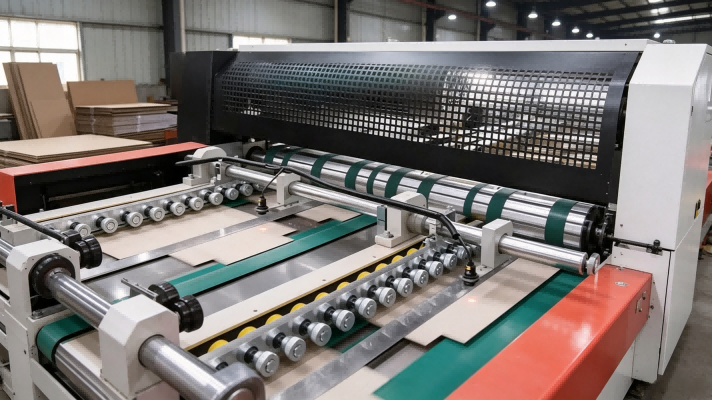 Paperboard Fabrication Service2026-11-26Grey Board Converting Services: Die Cutting, Grooving and Corner Rounding to Reduce Packaging Production Steps
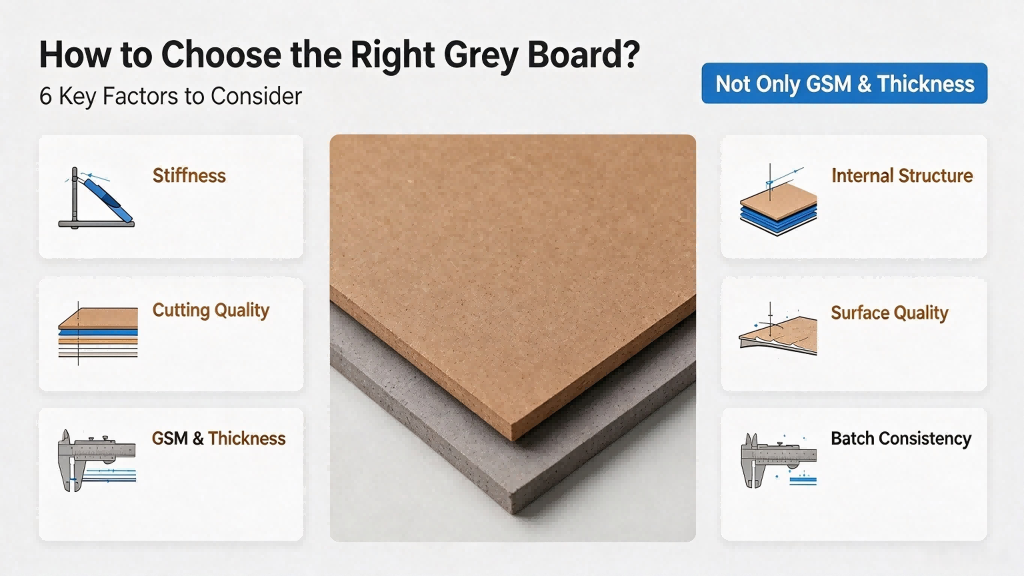 Packaging Knowledge2026-11-18How to Choose the Right Grey Board? 6 Key Factors to Consider
 Packaging Knowledge2026-11-11Virgin Pulp Paperboard vs. Recycled Pulp Paperboard: How Do Different Raw Materials Affect Paperboard Performance?