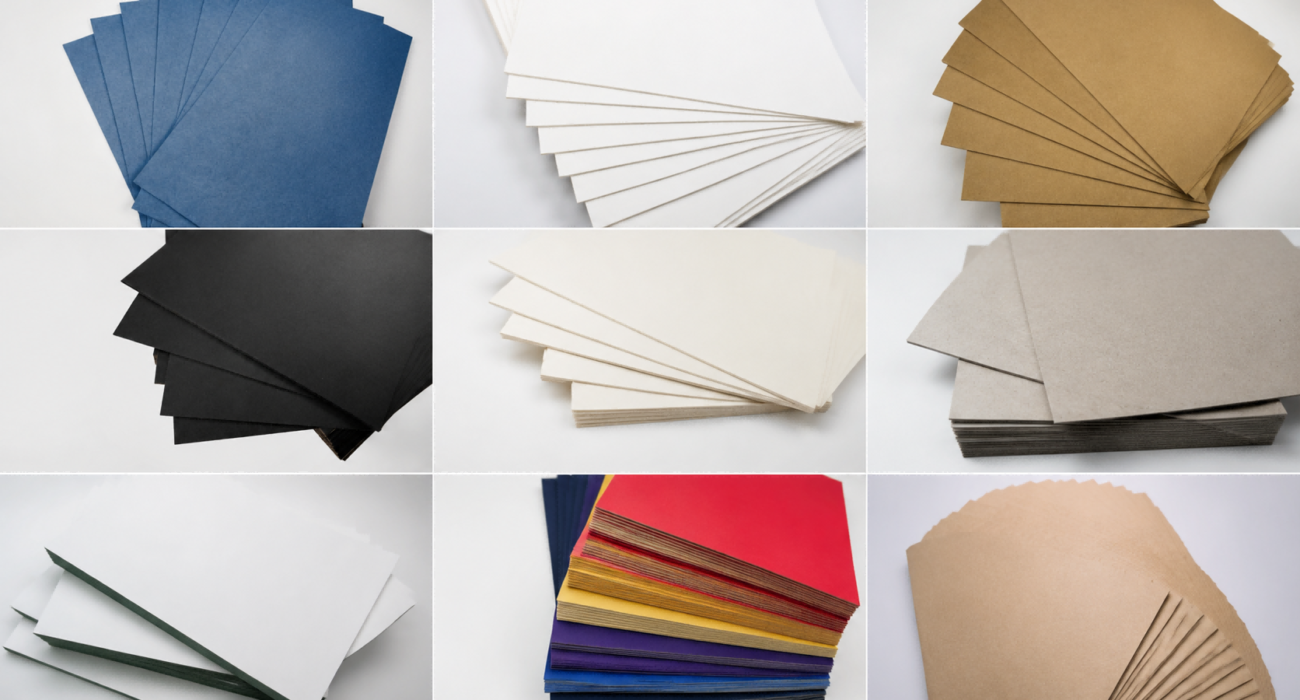
Types of Paperboard Materials: A Complete Guide for Packaging Manufacturers
Introduction
In the packaging manufacturing industry, selecting the right paperboard material directly affects the final product’s structural stability, appearance, processing efficiency, and overall cost.
Different packaging applications require different material characteristics:
- Cosmetic packaging focuses on surface appearance, printing performance, and brand presentation.
- Puzzle manufacturing requires consistent thickness, flatness, and precise die-cutting performance.
- Electronics packaging needs a balance between protection, processing efficiency, and cost control.
- Gift box packaging requires suitable structural and surface solutions based on product positioning.
Therefore, there is no single “best paperboard” suitable for every packaging project.
Packaging manufacturers usually select materials based on:
- Product application;
- Packaging structure;
- Surface requirements;
- Converting processes;
- Cost targets.
This guide introduces common types of paperboard materials, helping packaging manufacturers understand the differences between various paperboards and select suitable solutions for their products.
Table of Contents
- Types of Paperboard Materials
- Performance Comparison of Different Paperboard Materials
- Paperboard Selection Based on Applications
- Factors Affecting Paperboard Cost
- How to Choose the Right Paperboard Material
- Why Choose Hongtu Scenery Paperboard Solutions
1. Types of Paperboard Materials
1. Grey Board
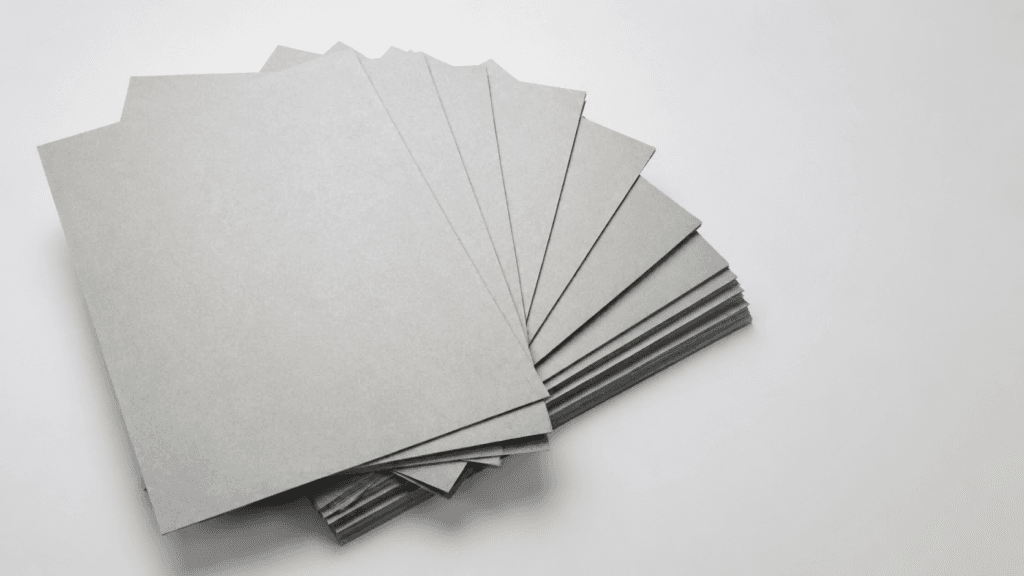
Cost-effective structural paperboard for packaging manufacturing
Grey Board is one of the most widely used structural materials in rigid packaging and paper product manufacturing.
Made from recycled paper fibers, it provides stable stiffness and flatness. In packaging production, Grey Board is commonly used as a structural base material and can be further processed with paper covering, printing paper lamination, or other surface treatments to achieve different appearance effects.
Key advantages:
- Stable structural support;
- Multiple thickness options;
- Good converting performance with cost efficiency.
Common applications:
- Electronics Packaging;
- Bookbinding;
- Custom Gift Boxes;
- Puzzle Backing Board;
- Packaging Structural Components.
For detailed specifications, thickness options, and technical data of Grey Board, please visit our Grey Board product page.
2. High Gloss Laminated Paperboard
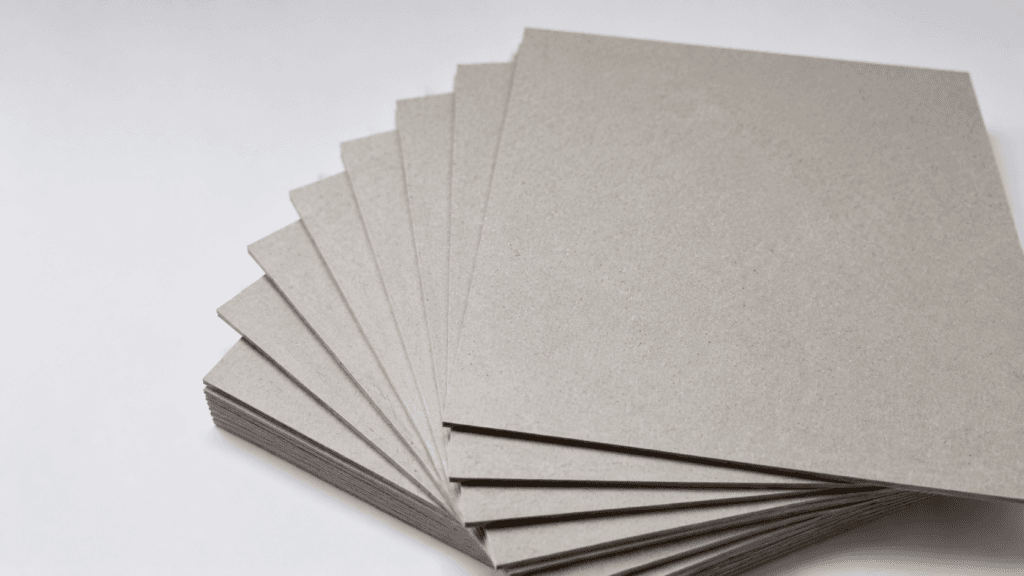
Smooth high-gloss surface solution for visual-focused packaging
High Gloss Laminated Paperboard combines the structural stability of paperboard with a smooth, high-gloss surface effect, making it suitable for packaging applications that require strong visual presentation.
Its main advantage is the excellent surface smoothness and gloss performance.
Key advantages:
- Smooth high-gloss surface;
- Good rigidity and flatness;
- Supports printing, hot stamping, embossing, and other finishing processes.
Common applications:
- Cosmetic Packaging;
- Skincare Packaging;
- Perfume Boxes;
- Gift Boxes;
- Hardcover Book Binding.
For more information about High Gloss Laminated Paperboard specifications, surface performance, and available options, please visit our product page.
3. Offset Paper Laminated Greyboard
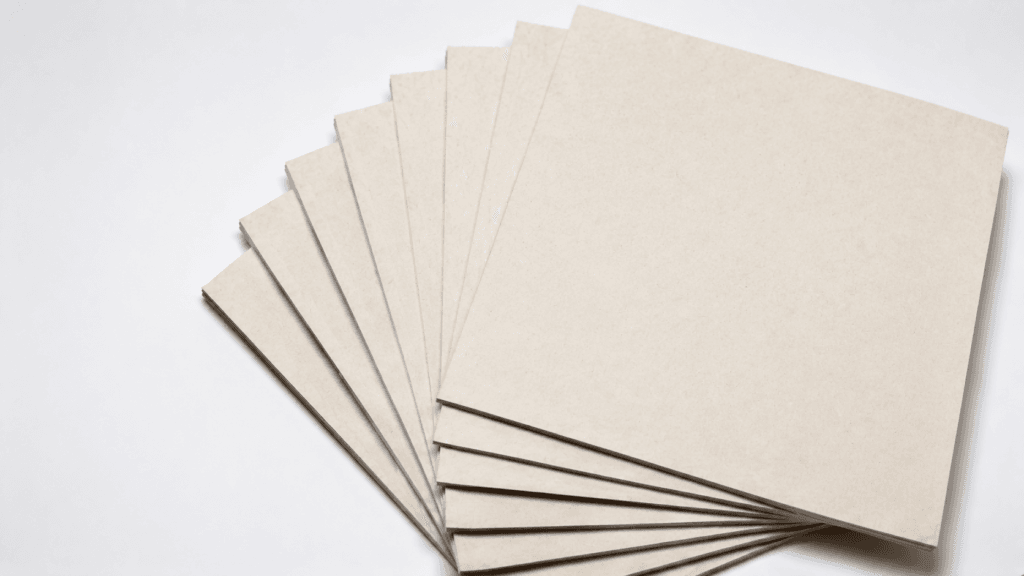
White and printable surface solution for cosmetic packaging
Offset Paper Laminated Greyboard is produced by laminating offset paper onto Grey Board, combining structural stability with improved whiteness and printing performance.
It is commonly selected for packaging projects that require a clean white appearance and high-quality printing results.
Key advantages:
- High whiteness surface;
- Excellent printability;
- Stable rigidity.
Common applications:
- Perfume Boxes;
- Cream Jar Boxes;
- Skincare Packaging;
- Cosmetic Gift Boxes.
Explore more details about this paperboard solution and its applications on our product page.
4. Black Cardboard
Black visual appearance with different structural solutions
Black Cardboard mainly includes:
- Solid Black Cardboard;
- Black Cardboard Laminated Greyboard.
Both solutions can achieve a black visual appearance, but they differ in production structure and cost positioning.
(1)Solid Black Cardboard
Solid Black Cardboard is manufactured using dyed virgin pulp, creating a consistent black appearance throughout the paper structure.
Key advantages:
- Uniform black appearance;
- Good rigidity;
- Suitable for products requiring an overall black visual design.
Common applications:
- Premium Gift Boxes;
- Board Game Packaging;
- Puzzle Packaging;
- Creative Paper Products.
(2)Black Cardboard Laminated Greyboard
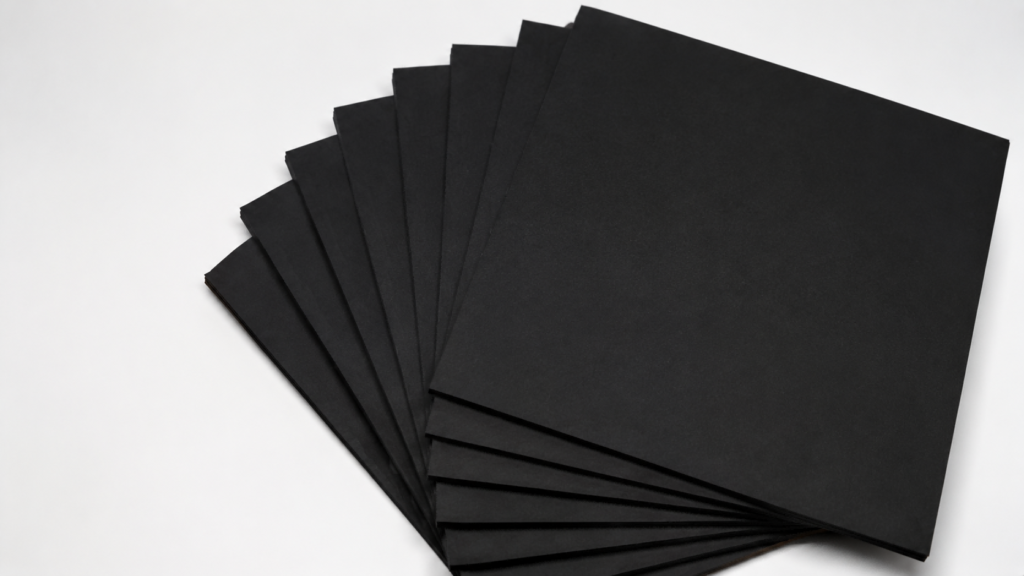
Black Cardboard Laminated Greyboard is produced by laminating black paper onto Grey Board, achieving a black surface effect while maintaining structural stability.
Key advantages:
- Strong black surface appearance;
- Better cost efficiency;
- Suitable for large-volume packaging production.
Common applications:
- Cosmetic Packaging;
- Gift Boxes;
- Electronics Packaging.
5. Kraft Paperboard / Kraft Laminated Greyboard
Natural appearance and sustainable packaging solution
Kraft materials mainly include:
- Kraft Paperboard;
- Kraft Laminated Greyboard.
(1)Kraft Paperboard
Kraft Paperboard relies on strong fiber structure to provide excellent tear resistance and durability.
Common applications:
- Paper Bags;
- Wrapping Paper;
- Protective Packaging.
(2)Kraft Laminated Greyboard
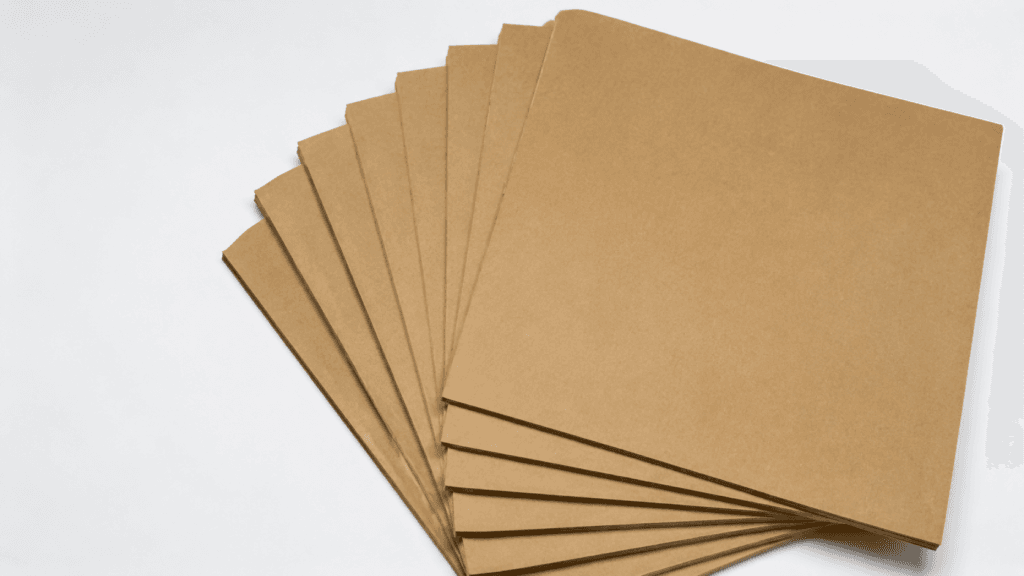
Kraft Laminated Greyboard is produced by laminating Kraft paper onto Grey Board, combining natural texture with structural stability.
Key advantages:
- Natural kraft appearance;
- Eco-friendly visual style;
- Good structural support.
Common applications:
- Eco-style Gift Boxes;
- Wine Boxes;
- Garment Hangers;
- Notebook Covers.
6. SBS Paperboard (Ivory Board)
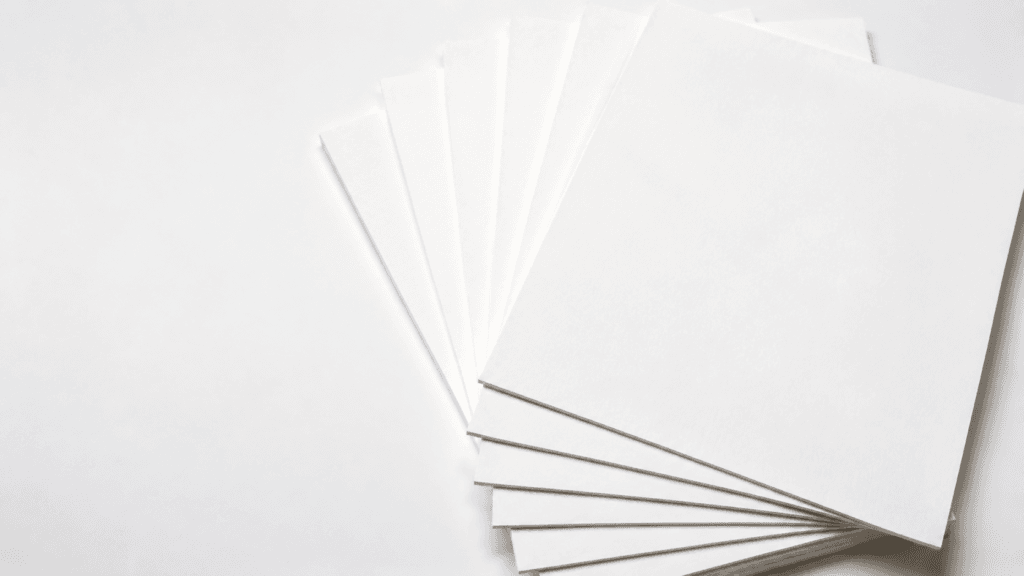
Premium printing paperboard for high-quality packaging
SBS Paperboard (Solid Bleached Sulfate) is a high-quality paperboard made from virgin wood pulp. It provides excellent whiteness, smoothness, printability, and stable rigidity.
Compared with recycled fiber paperboard, SBS Paperboard focuses more on:
- Surface quality;
- Printing performance;
- Brand presentation.
Key advantages:
- Smooth white surface;
- Excellent color reproduction;
- Good stiffness and converting performance.
Common applications:
- Cosmetic Boxes;
- Gift Packaging;
- Food Outer Packaging;
- Folding Cartons;
- Premium Printing Products.
For packaging projects requiring high-quality printing and strong visual presentation, SBS Paperboard is a commonly selected solution.
7. Blue Core Board
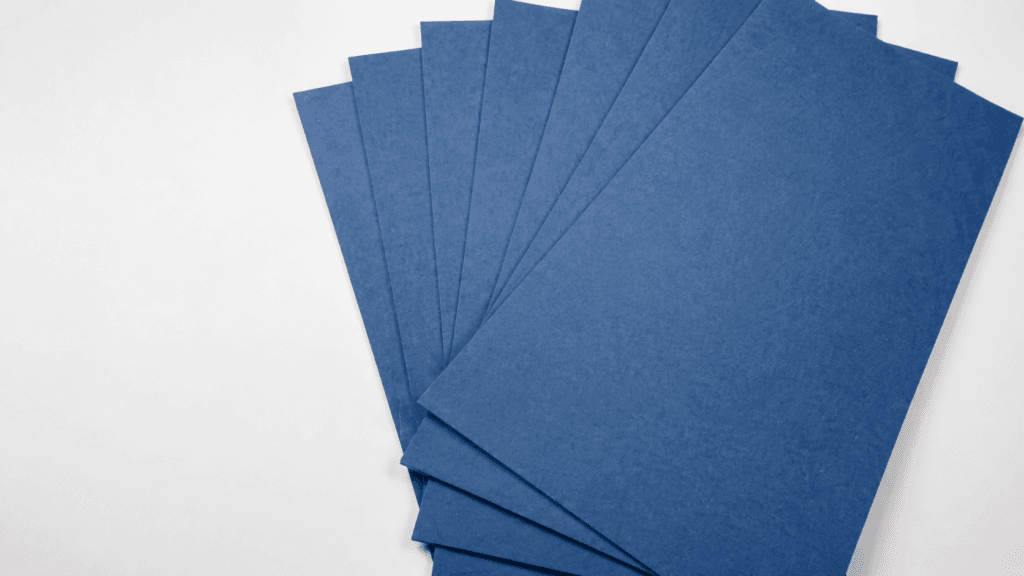
Stable puzzle board material for precise die-cutting
Blue Core Board is a specialized structural paperboard mainly used for puzzle manufacturing.
It provides consistent thickness, stable rigidity, and reliable die-cutting performance to meet the requirements of puzzle production, including dimensional accuracy, edge quality, and processing consistency.
Key advantages:
- Stable thickness;
- Good stiffness and flatness;
- Clean die-cutting edges with reduced dusting issues.
Common applications:
- Jigsaw Puzzle Manufacturing;
- Children’s Puzzles;
- Adult Puzzles;
- Art Puzzle Products;
- Custom Puzzle Projects.
For puzzle manufacturers requiring stable production performance and consistent processing results, Blue Core Board is a professional material solution.
8. Dyed Paper (Colored Paper)
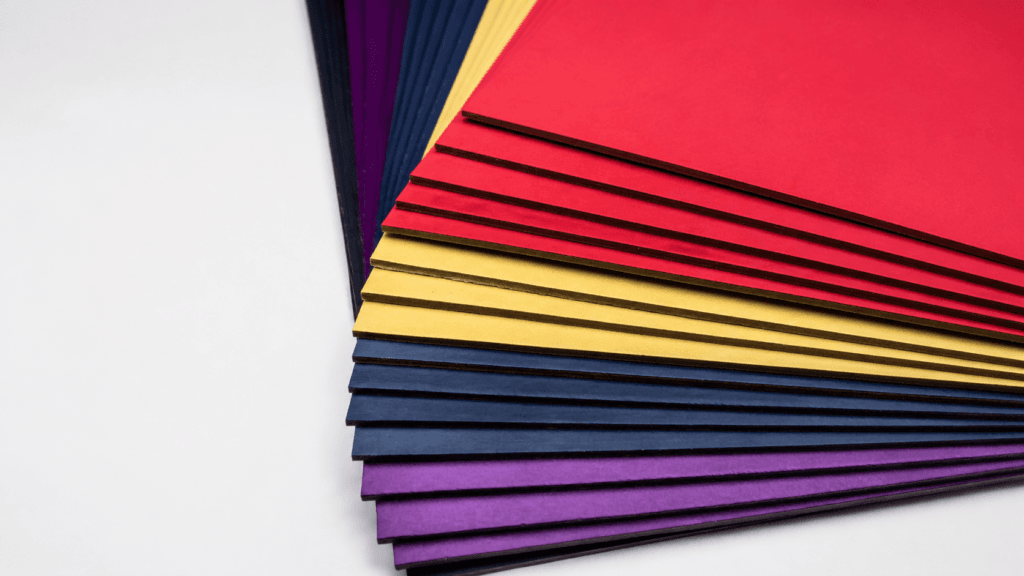
Decorative paper solution for visual branding
Dyed Paper is mainly used for packaging projects that require consistent colors and strong visual design effects.
Through the dyeing process, it provides stable color performance and is commonly used as a decorative layer, surface material, or supporting material in packaging applications.
Key advantages:
- Consistent color appearance;
- Smooth surface;
- Supports printing, cutting, and folding processes.
Common applications:
- Packaging Wraps;
- Paper Sleeves;
- Inner Linings;
- Desk Calendars;
- Promotional Paper Products.
Dyed Paper is mainly used as a visual design material and is often combined with structural paperboard to enhance overall packaging appearance.
9. White Lined Chipboard (WLC)
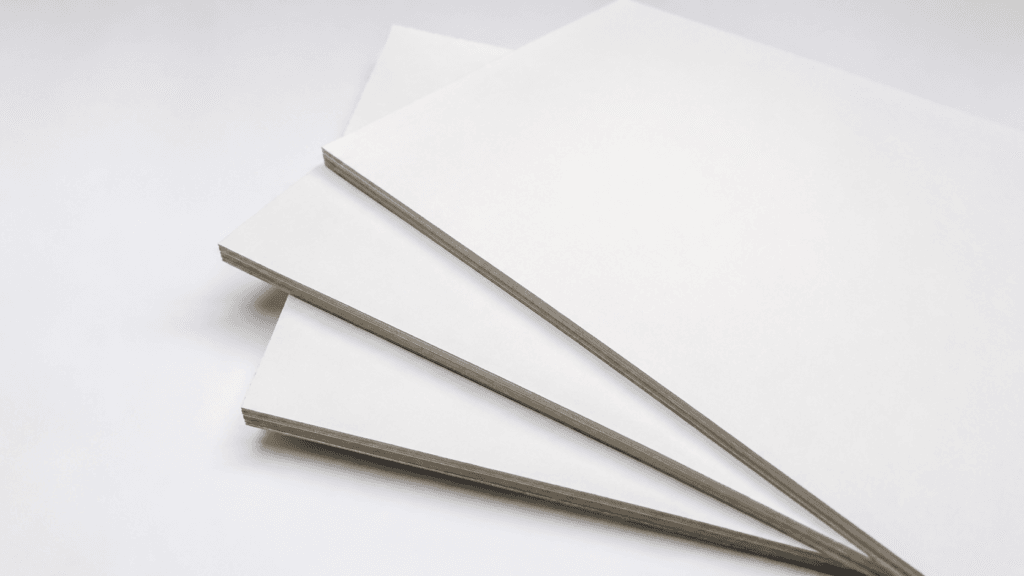
Printable recycled fiber board for folding carton applications
White Lined Chipboard (WLC) is a multi-layer paperboard consisting of a coated white surface layer and a recycled fiber core.
It combines good printability with stable structural performance, making it a commonly used material for consumer folding carton packaging.
Key advantages:
- White printable surface;
- Recycled fiber core providing structural support;
- Suitable for high-speed die-cutting and folding processes.
Common applications:
- Electronics Packaging;
- Mobile Phone Boxes;
- Tablet Packaging;
- Earphone Boxes;
- Small Appliance Packaging.
For packaging projects requiring a balance between printing quality, structural stability, and cost control, WLC is a practical solution.
For detailed specifications and technical information, please visit our WLC product page.
10. Unlined Grey Board
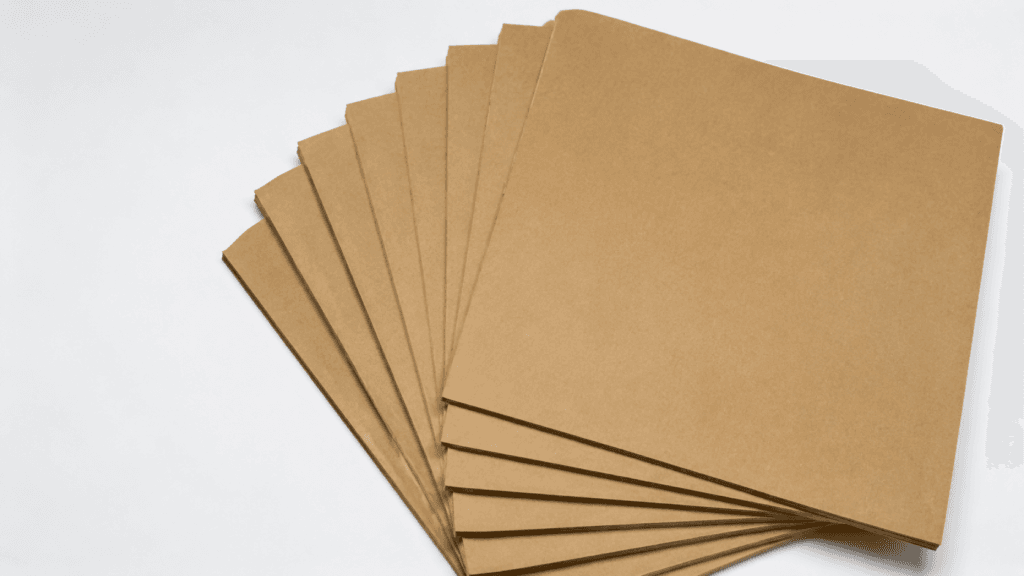
Economical structural board for high-volume packaging
Unlined Grey Board is a structural paperboard without additional surface lamination. It is mainly used in packaging applications requiring stable support and cost efficiency.
It is commonly used as an internal structural layer and can also be applied in packaging products with lower surface requirements.
Key advantages:
- Cost efficiency;
- Stable structure;
- Suitable for large-volume production.
Common applications:
- Packaging Core Layer;
- Rigid Box Structure;
- Hardcover Book Covers;
- Calendars;
- Shoe Boxes.
For projects focusing on cost control while requiring reliable processing performance, Unlined Grey Board is an economical structural material.
For detailed specifications and technical information, please visit our Unlined Grey Board product page.
11. Metallic Card Paper

Metallic surface solution for special visual effects
Metallic Card Paper is a decorative paper material with a metallic gloss effect, mainly used to enhance packaging visual appeal.
It is usually combined with structural paperboard materials to achieve unique packaging appearances.
Key advantages:
- Metallic gloss surface;
- Unique visual effects;
- Supports printing and further processing.
Common applications:
- Luxury Gift Packaging;
- Cosmetic Packaging;
- Promotional Packaging;
- Decorative Paper Products.
Explore more details about this paperboard solution and its applications on our product page.
12. Specialty Paperboard
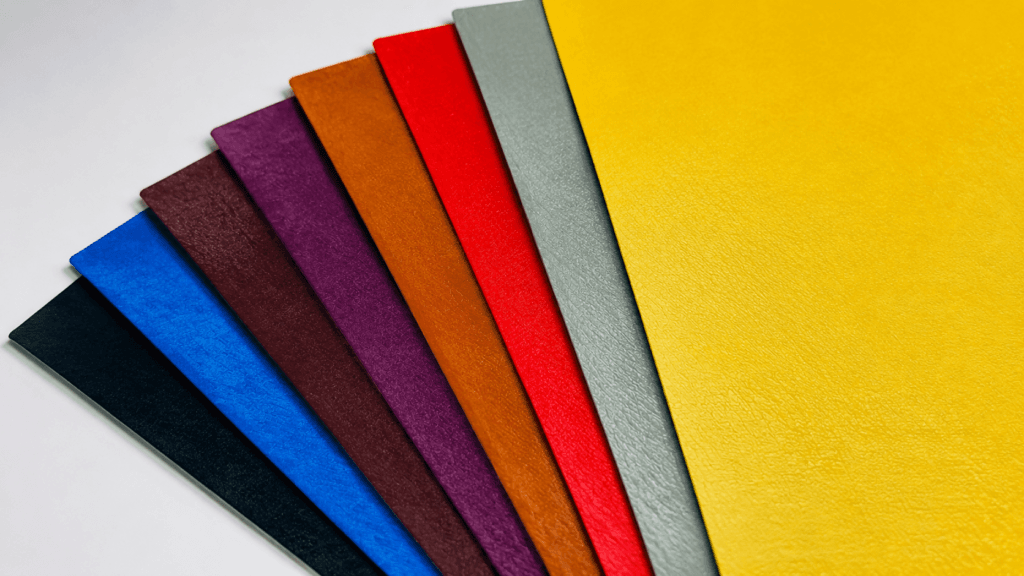
Customized paperboard solutions for unique packaging requirements
Specialty Paperboard is mainly used for packaging projects requiring special appearance, functions, or processing performance.
Compared with standard paperboard materials, specialty paperboard focuses more on:
- Special surface effects;
- Customized designs;
- Specific application requirements.
Key advantages:
- Various appearance options;
- Supports special finishing processes;
- Meets customized packaging needs.
Common applications:
- Premium Packaging;
- Brand Customized Packaging;
- Creative Paper Products;
- Special Promotional Packaging.
Contact us or visit our product page for more information about available options and specifications.
3. Paperboard Selection Based on Applications
Different packaging projects require different paperboard solutions. Material selection should consider product positioning, surface requirements, structural needs, converting processes, and cost targets.
Cosmetic Packaging
-1024x765.png)
Cosmetic packaging usually focuses on:
- Surface appearance;
- Printing quality;
- Box structure stability;
- Brand presentation.
Different cosmetic packaging projects require different material solutions depending on design requirements, packaging structure, and target cost.
For cosmetic boxes, skincare packaging, and perfume packaging projects, you can explore more detailed paperboard selection solutions in our cosmetic packaging application guide.
Gift Box Packaging

Gift box packaging needs to balance:
- Structural support;
- Visual design;
- Brand positioning;
- Sustainable packaging requirements.
Different gift box projects may require different paperboard structures based on product positioning and appearance expectations.
For premium gift boxes, wine boxes, and customized packaging projects, our gift box packaging guide provides more detailed material selection information.
Jigsaw Puzzle Manufacturing
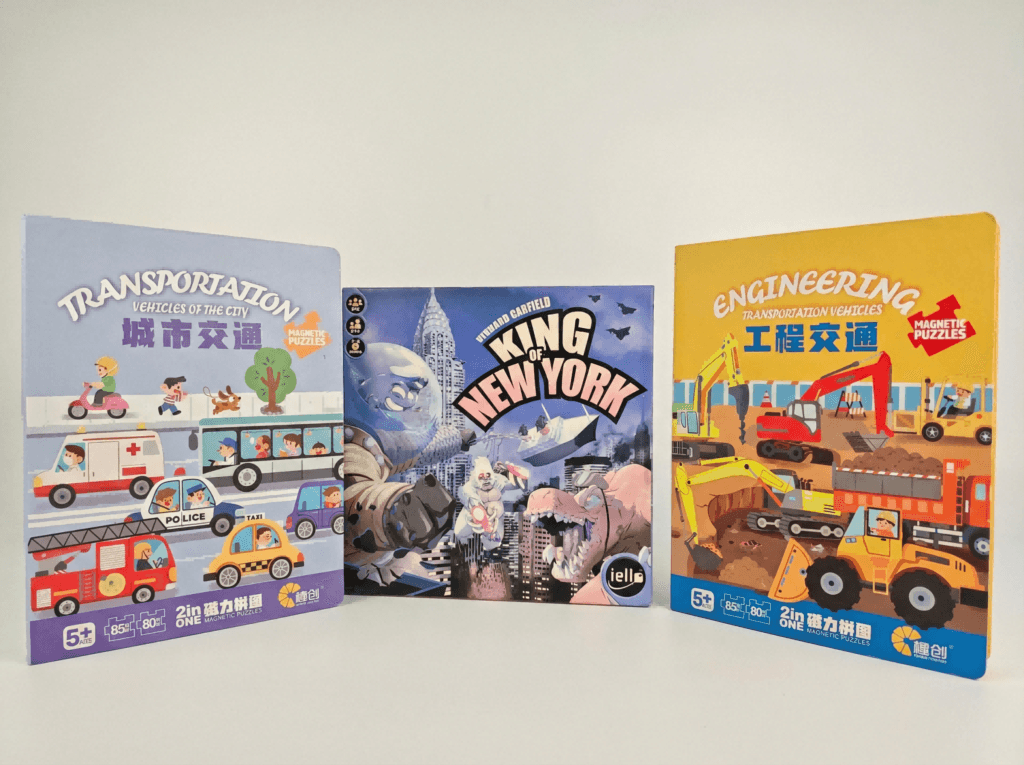
Puzzle manufacturing requires excellent material consistency, especially for:
- Thickness stability;
- Flatness;
- Die-cutting performance;
- Edge quality.
Different puzzle products require suitable paperboard structures to ensure stable production performance.
For puzzle manufacturers looking for suitable board materials, our puzzle packaging guide provides further information about material selection requirements.
Electronics Packaging
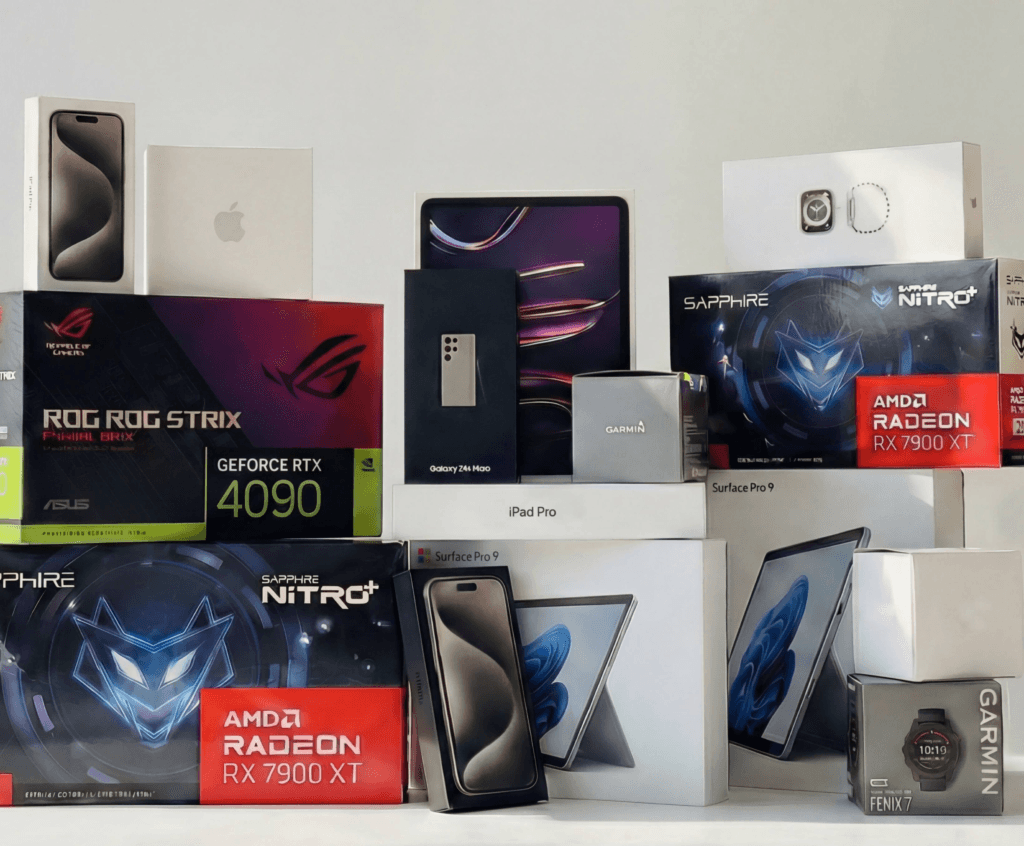
Electronics packaging usually requires:
- Stable protection structure;
- Good printing performance;
- Efficient converting performance.
Material selection depends on product structure, protection requirements, surface appearance, and production efficiency.
For mobile phone boxes, tablet packaging, small appliance packaging, and consumer electronics packaging projects, our electronics packaging guide provides further material solutions.
Food Outer Packaging
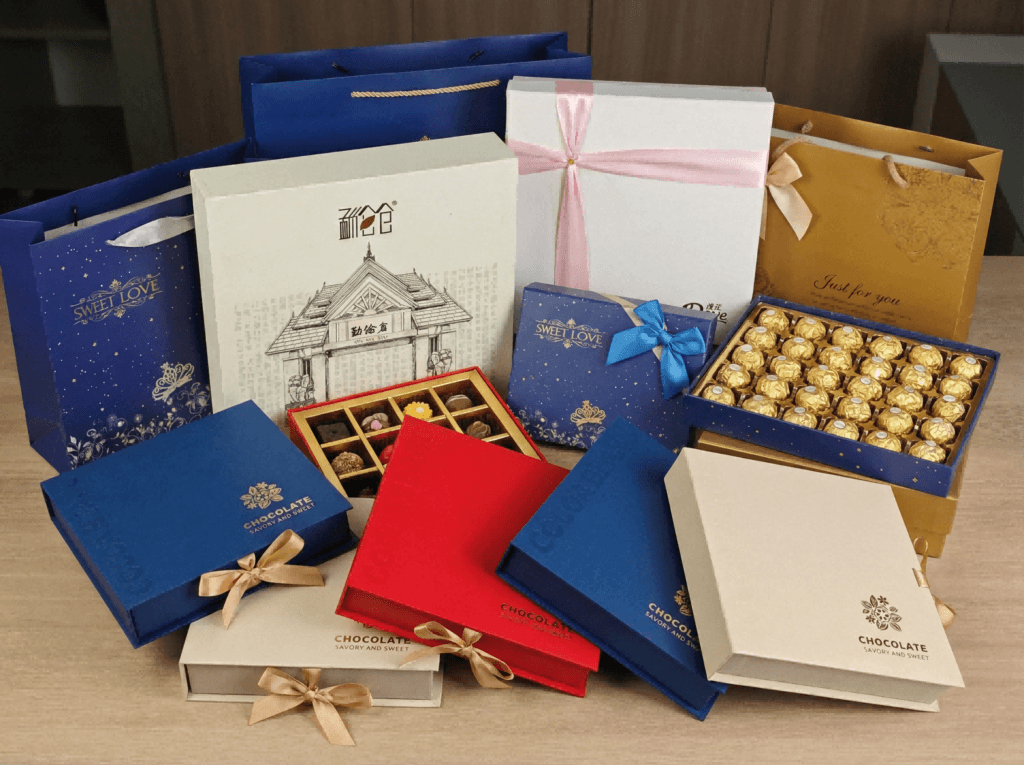
Food outer packaging mainly includes:
- Wine boxes;
- Chocolate boxes;
- Tea packaging;
- Food gift boxes.
These applications usually require:
- Good printing performance;
- Stable structure;
- Sustainable material solutions.
For food gift boxes and branded food packaging projects, our food packaging guide provides more information about suitable paperboard applications.
4. Factors Affecting Paperboard Cost
Paperboard cost is not determined only by material type. It is also affected by material structure, specifications, order quantity, and transportation conditions.
1. Material Structure
Different paperboard structures result in different production costs.
For example:
- SBS Paperboard is made from virgin wood pulp and usually has a higher cost compared with recycled fiber paperboard.
- Solid Black Cardboard uses dyed pulp throughout the paper structure and is generally more expensive than black laminated greyboard.
- Laminated paperboard costs are also influenced by the surface material and lamination process.
2. Thickness and GSM
Paperboard thickness and GSM directly affect:
- Raw material consumption;
- Product weight;
- Transportation cost.
Generally, thicker paperboard requires more material and results in a higher material cost.
3. Size and Material Utilization
Paperboard dimensions can also influence the final price.
Standard sizes usually provide better production efficiency.
Special sizes may result in:
- Lower sheet utilization;
- More material waste;
- Higher production loss.
Therefore, customized or uncommon sizes may increase the unit cost.
4. Order Quantity
Order volume affects production efficiency and overall cost.
Large-volume orders usually provide:
- More stable production scheduling;
- Lower production waste;
- Better unit cost advantages.
Small-volume orders may involve additional costs caused by:
- Machine setup;
- Production adjustments;
- Material waste.
5. Destination and Transportation
Paperboard is a volume-based product, making transportation an important part of the total cost.
The final cost may be affected by:
- Export distance;
- Port location;
- Transportation method;
- Destination market.
Therefore, customers in different regions may have different landed costs even when purchasing the same paperboard material.
5. How to Choose the Right Paperboard Material
Choosing the right paperboard material is not simply about selecting the lowest-cost option or the highest-performance material.
The ideal solution should match:
- Product positioning;
- Packaging structure;
- Processing requirements;
- Cost targets.
The following factors can help packaging manufacturers make better decisions.
1. Define the Packaging Application
First, identify the packaging type:
- Rigid gift boxes;
- Folding cartons;
- Puzzle products;
- Electronics packaging;
- Food outer packaging.
Different applications have different priorities.
For example:
Rigid boxes usually require strong structural support and good appearance.
Puzzle manufacturing focuses more on thickness consistency and die-cutting performance.
Electronics packaging requires a balance between protection, printing quality, and cost efficiency.
2. Consider Surface Requirements
If the packaging requires:
- High gloss appearance;
- High whiteness;
- Premium printing;
- Special visual effects;
materials with better surface performance should be considered.
For example:
- High Gloss Laminated Paperboard is suitable for smooth, glossy packaging surfaces.
- SBS Paperboard and Offset Paper Laminated Greyboard are suitable for high-quality printing requirements.
- Solid Black Cardboard is suitable for packaging designs requiring a consistent black appearance.
3. Match Structural Requirements
For packaging requiring stable box structures, consider:
- Paperboard thickness;
- Stiffness;
- Flatness;
- Converting stability.
For example:
Gift boxes and hardcover book covers usually require stronger structural support.
Puzzle products require dimensional stability and reliable die-cutting performance.
4. Evaluate Total Cost
During purchasing decisions, customers should not only compare material prices.
A complete evaluation should include:
- Material cost;
- Processing efficiency;
- Production waste;
- Transportation cost.
Sometimes, a slightly higher-cost material can reduce overall production costs due to better processing stability.
5. Confirm Key Specifications with Suppliers
Before mass production, customers should confirm:
- Material type;
- Thickness range;
- Sheet size;
- Surface treatment;
- Processing compatibility;
- Sample testing results.
Proper material verification can reduce production risks and improve final packaging quality.
6. Why Choose Hongtu Scenery Paperboard Solutions
Choosing a paperboard supplier is not only about selecting materials. It is also about ensuring stable supply, professional support, and reliable manufacturing capability.
With more than 20 years of paperboard manufacturing experience, Hongtu Scenery provides reliable paperboard solutions for global packaging manufacturers.
20+ Years of Manufacturing Experience
With long-term experience in paperboard production, Hongtu Scenery understands the material requirements of different packaging applications, including structural performance, surface requirements, and processing needs.
Stable Supply Capability
Hongtu Scenery operates multiple production bases with an annual production capacity of over 200,000 tons.
This supports:
- Stable supply;
- Consistent quality;
- Reliable delivery for large-volume orders.
Flexible Manufacturing Capability
Equipped with 12 laminating production lines, Hongtu Scenery supports:
- Different paperboard structures;
- Various surface material combinations;
- Customized thickness and specifications.
Additional processing services are also available, including:
- Grooving;
- Slitting;
- Customized sizing.
These services help customers simplify sourcing processes and improve production efficiency.
Reliable Quality Management
Hongtu Scenery provides FSC, ISO 9001, and ISO 14001 certifications to support international customers’ requirements for quality consistency and sustainable production.
From material selection to production support, Hongtu Scenery helps customers choose suitable paperboard solutions based on application requirements, performance expectations, and cost targets.
Conclusion
Choosing the right paperboard material requires balancing product application, structural requirements, surface performance, processing needs, and cost objectives.
For packaging manufacturers looking for reliable paperboard solutions for cosmetic packaging, gift boxes, puzzles, electronics packaging, or food outer packaging, Hongtu Scenery can provide professional material recommendations and stable supply support.
Contact Hongtu Scenery today to discuss your project requirements and find a suitable paperboard solution.
Author Profile

-
HONGTUSCENERY is a professional manufacturer of composite paperboard,
providing sustainable and customized packaging solutions for global brands.
With nearly 20 years of industry experience, we focus on material performance,
structural strength, and green supply chain development.
Latest entries
 Double-Sided Kraft Laminated Greyboard2026-10-13Hidden Costs in Kraft Board Procurement: Why the Lowest Price Is Not Always the Best Deal
 Industry Insights2026-10-10How to Reduce Profit Losses from Paperboard Procurement Amid RMB Exchange Rate Fluctuations
 Company News2026-10-03Kraft Paperboard: Applications, Performance Advantages & Sustainability
 Double-Sided Kraft Laminated Greyboard2026-09-305 Key Factors for Choosing a Reliable Kraft Board for Packaging Supplier