Complete Guide to Gift Box Selection: How to Choose the Right Packaging Materials
In the packaging industry, gift boxes are no longer just containers for products. They are an important part of brand presentation, product value, and customer experience.
For B2B buyers and brand owners, the key question in gift box selection is simple:
How do we balance cost, appearance, and structural strength in a practical way?
This guide explains gift box material selection from a real manufacturing perspective, helping you avoid common mistakes and make better decisions.
1. The Core Logic of Gift Box Material Selection
Many customers start with appearance, but in manufacturing, the correct order is:
Structure → Material → Surface Finish → Cost
Because a gift box must first work properly before it looks good.
We always evaluate:
- Will the box deform under pressure?
- Will it survive transportation?
- Is it stable for mass production?
- Does it meet brand positioning?
Material is only one part of a complete system.
2. Main Gift Box Packaging Materials
1. Composite Greyboard (Structural Core Material)
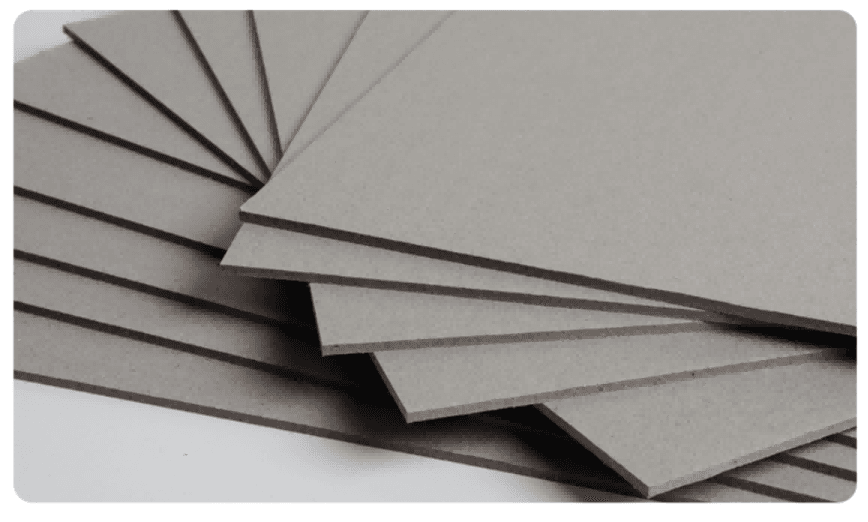
Composite greyboard is the most widely used structural base material for premium rigid gift boxes.
Its main function is very clear:
- Provides structural rigidity
- Keeps the box shape stable
- Supports stacking and transportation pressure
Key advantages:
- High density stability
- Multiple thickness options
- Ideal for rigid box structures
- Suitable for large-scale production
In simple terms: greyboard is the “skeleton” of a gift box.
Without it, the box cannot hold its shape.
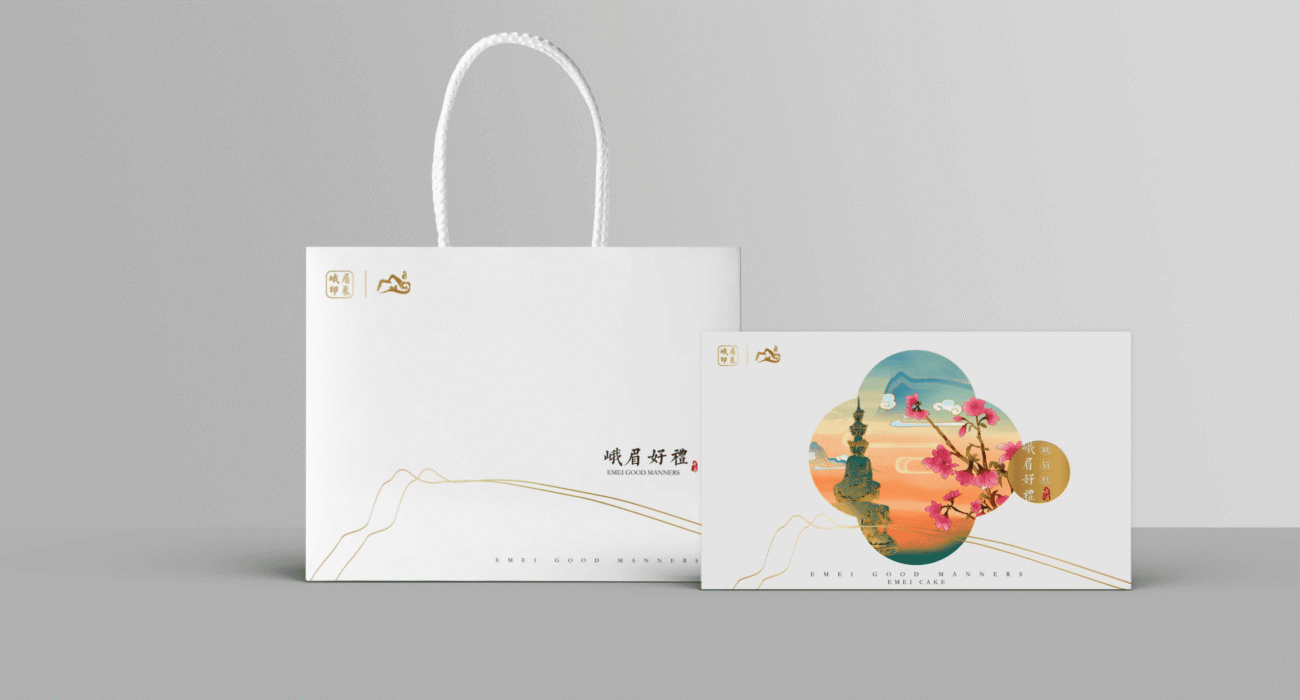
2. Face Paper (Visual Surface Material)
Face paper is the visible outer layer of the gift box.
Common types include:
- Coated paper
- White cardboard
- Specialty textured paper
Its role is:
- Display brand visuals
- Carry printing and design
- Enhance appearance quality
Important note: face paper does not provide structural strength. It must be used together with greyboard.
3. Specialty Paper (Brand Upgrade Material)
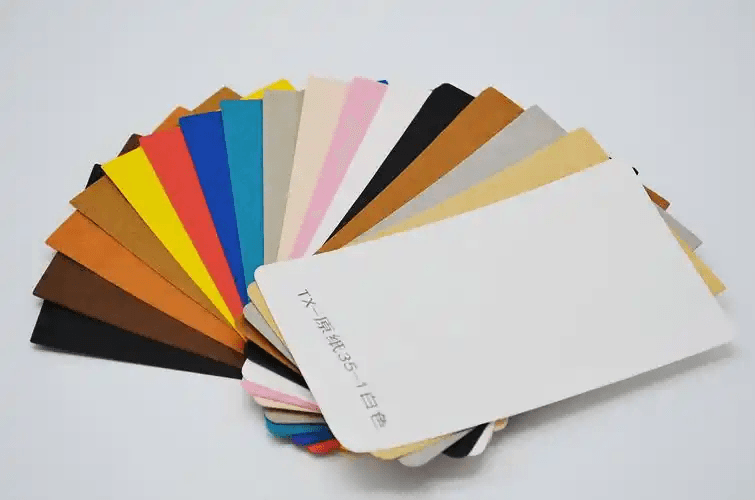
Specialty paper is mainly used for premium and luxury packaging.
Typical applications:
- Cosmetic gift boxes
- Perfume packaging
- High-end gift packaging
Features:
- Unique textures and tactile feel
- Strong premium visual impact
- Reduces need for complex printing
However, it is more expensive and requires higher production precision.
4. Corrugated Paper (Transport Protection Material)
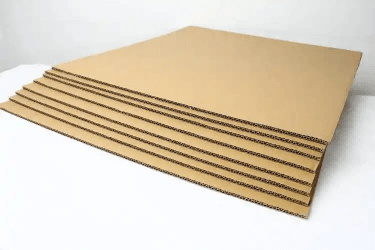
Corrugated paper is mainly used for outer packaging or logistics protection.
Suitable for:
- E-commerce packaging
- Export transportation
- Fragile products
Advantages:
- Strong cushioning performance
- Low cost
- Lightweight structure
3. How We Help B2B Clients Choose Materials
In real projects, we don’t start by asking clients to “choose materials”. Instead, we guide them through four key decisions.
1. Product Weight Determines Structural Strength
We first understand:
- Is the product lightweight or heavy?
- Is it fragile or stable?
- Will it be shipped long distance?
General rule:
- Lightweight products → standard composite greyboard
- Medium/heavy products → reinforced structure
- High-value products → strengthened design required
Many box failures are not design issues—they are structure mismatch issues.
2. Brand Positioning Defines Visual Level
Gift boxes are also part of branding.
We usually classify:
- Luxury brands → specialty paper + premium rigid structure
- Mid-range brands → coated paper + standard structure
- E-commerce brands → cost-efficient and stable packaging
The same product can have completely different packaging depending on brand positioning.
3. Usage Scenario Determines Structure Design
We analyze real usage conditions:
- Sea freight → humidity + compression resistance required
- Courier delivery → drop resistance required
- Retail display → visual appearance priority
Examples:
- Export packaging → stronger greyboard structure needed
- E-commerce packaging → impact resistance design required
- Display packaging → fine surface finish required
Scenario often matters more than material itself.
4. Cost Optimization Is About Balance, Not Cheapness
In B2B projects, we focus on efficiency rather than simply reducing cost.
Common optimization methods:
- Replace over-thickness with better structure design
- Use standardized dimensions to reduce waste
- Combine materials instead of using single high-cost materials
True optimization means better performance with reasonable cost.
4. Industry Trend: Moving Toward Lighter and More Sustainable Packaging
According to packaging industry research (including Smithers and Ellen MacArthur Foundation reports), packaging is moving toward:
- Reduced plastic usage
- Increased recyclability
- Simplified material structures
In gift boxes, this means:
- More recyclable paper-based structures
- Fewer mixed materials
- More single-material design systems
Sustainability is now a market requirement, not just an option.
5. Conclusion
Gift box selection is not about choosing a single material—it is about building a complete system.
A good structure must ensure:
- Product safety
- Transportation stability
- Brand consistency
- Cost efficiency
Among all materials, composite greyboard remains the core structural foundation of rigid gift boxes. It defines the stability and reliability of the final packaging.
FAQ
Most rigid gift boxes use composite greyboard as the core structure because it provides strength, stability, and cost efficiency for B2B production.
Greyboard offers high rigidity and shape stability, making it ideal for luxury gift boxes that require premium structure and durability.
It depends on product weight. Light products use thinner boards, while heavy or premium products require thicker reinforced greyboard.
Greyboard is denser and stronger, designed for rigid boxes, while cardboard is lighter and more flexible, mainly used for folding cartons.
Export packaging usually requires stronger greyboard, moisture resistance, and reinforced structure due to long-distance transportation risks.
Author Profile

-
HONGTUSCENERY is a professional manufacturer of composite paperboard,
providing sustainable and customized packaging solutions for global brands.
With nearly 20 years of industry experience, we focus on material performance,
structural strength, and green supply chain development.
Latest entries
 Double-Sided Kraft Laminated Greyboard2026-10-13Hidden Costs in Kraft Board Procurement: Why the Lowest Price Is Not Always the Best Deal
 Industry Insights2026-10-10How to Reduce Profit Losses from Paperboard Procurement Amid RMB Exchange Rate Fluctuations
 Company News2026-10-03Kraft Paperboard: Applications, Performance Advantages & Sustainability
 Double-Sided Kraft Laminated Greyboard2026-09-305 Key Factors for Choosing a Reliable Kraft Board for Packaging Supplier