Why Rigid Boxes Collapse During Shipping & How to Prevent It
In the premium packaging industry, rigid boxes are widely used for luxury goods, cosmetics, wines, electronics, and high-end retail products. However, during international logistics and long-distance storage, a critical issue frequently occurs:
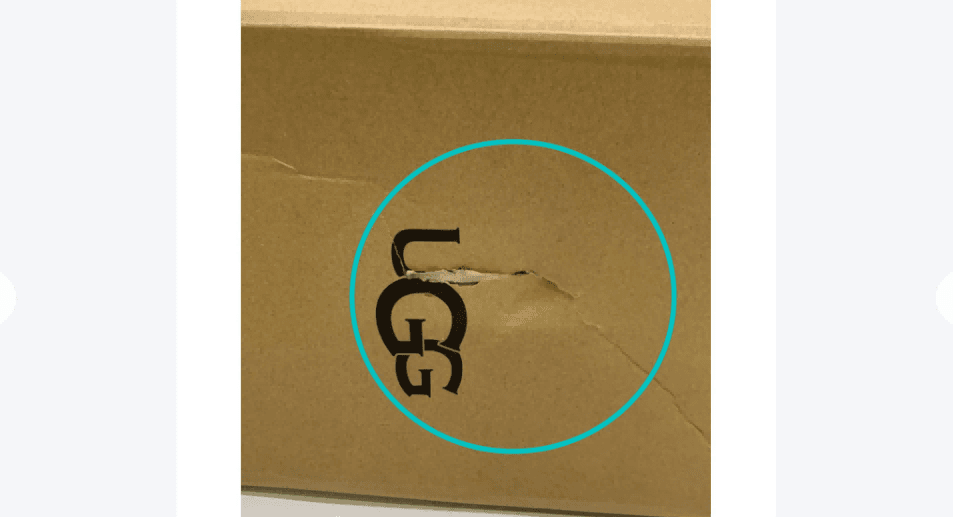
Rigid box collapse during transportation, including deformation, corner crushing, and structural failure.
For B2B packaging manufacturers and global brand owners, this is not just a cosmetic defect. It directly affects product protection, brand perception, and overall supply chain efficiency.
As a Chinese manufacturer of composite greyboard, we analyze the root causes of rigid box collapse and provide practical engineering-based solutions for packaging factories worldwide.
1. Why Rigid Box Collapse Happens in Real Shipping Conditions
Many packaging buyers assume:
“Rigid boxes are strong by definition.”
However, in engineering terms, “rigid” refers to structural design, not absolute resistance to external force.
1.1 External logistics pressure exceeds design limits
During international shipping—especially ocean freight with pallet stacking—packaging is exposed to:
- Multi-layer stacking pressure
- Continuous container vibration
- Forklift handling impact
- Temperature and humidity fluctuations
According to ISTA (International Safe Transit Association) testing standards, packaging can experience dynamic forces equivalent to 3–6 times its static load during transport.
This is why rigid box collapse still happens even in “premium packaging systems”.
1.2 Low-density greyboard causes structural failure
One of the most common root causes of rigid box collapse is inconsistent board quality.
Low-quality greyboard often has:
- Uneven density distribution
- High recycled fiber content
- Weak compression resistance
- Poor lamination bonding
As a result:
The surface structure appears stable, but internal fiber failure leads to sudden collapse under pressure.
This is especially critical in luxury rigid box packaging, where structural precision is required.
1.3 Poor structural design for transit conditions
Many rigid boxes are designed for retail display, not logistics stress.
Common design weaknesses include:
- Lack of corner reinforcement
- Weak lid load-bearing design
- No internal structural support
- Empty-box shipping without reinforcement
In real supply chains, rigid box collapse often occurs during empty carton transportation.
1.4 Humidity reduces material strength
According to FAO (Food and Agriculture Organization) research on paper-based materials:
When relative humidity exceeds 65%, compressive strength of paperboard can decrease by 20%–40%.
This means that even high-quality materials can fail under long-distance ocean shipping conditions.
2. Business Impact of Rigid Box Collapse (B2B Perspective)
For packaging manufacturers and brand owners, rigid box collapse creates serious hidden costs:
- Product returns and replacement logistics
- Loss of brand reputation in premium markets
- Increased warehouse handling costs
- Customer disputes and claims
- Delays in seasonal product launches
In many cases, a single structural failure leads to:
Entire batch rejection due to packaging inconsistency.
This is especially critical in luxury rigid box packaging supply chains.
3. Engineering Solutions to Prevent Rigid Box Collapse
Solving rigid box collapse requires a systematic approach across materials, structure, and logistics design.
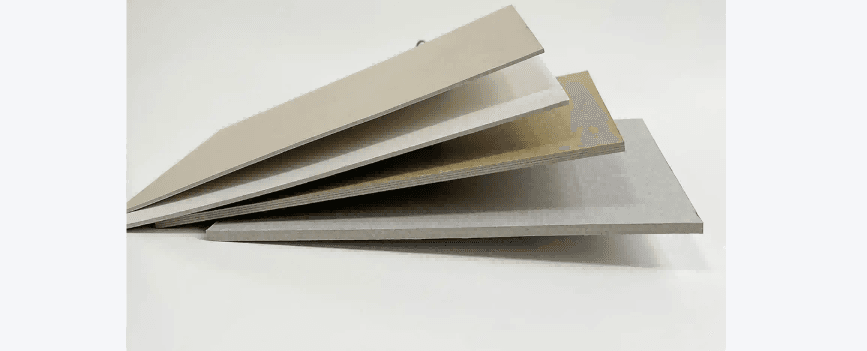
3.1 High-density composite greyboard as structural foundation
As a greyboard manufacturer, we emphasize:
Density stability is more important than thickness.
High-performance greyboard should provide:
- High compression resistance
- Uniform fiber distribution
- Strong interlayer bonding
- Stable structural recovery under load
In industrial applications, optimized greyboard can significantly reduce rigid box collapse risk by improving:
- Compression strength by 30%–60%
- Structural stability during stacking
- Resistance to long-distance shipping damage
3.2 Structural reinforcement design
To reduce rigid packaging damage during shipping, packaging factories should optimize:
- Reinforced corner structures
- Load-bearing lid architecture
- Internal insert systems
- Stackable transport design
Key principle:
A rigid box is not just packaging—it is a load-bearing structural system.
3.3 Transit-driven packaging engineering
Modern packaging design is shifting toward:
Transit-driven design methodology
This requires simulating real logistics conditions such as:
- Container stacking loads
- Long-distance vibration
- Humidity and temperature changes
- Empty vs filled box conditions
This approach significantly reduces rigid box collapse in real-world shipping.
3.4 Separation of visual layer and structural core
A common misconception in the industry is:
Surface lamination improves structural strength.
In reality:
- Decorative layers provide visual quality only
- Structural resistance comes entirely from greyboard core
Therefore, packaging must clearly separate:
- Visual layer (branding & aesthetics)
- Structural core (load-bearing system)
This is essential for preventing packaging collapse in transit.
4. Why Chinese Greyboard Manufacturers Play a Key Role
For global rigid box manufacturers, competitiveness depends on:
Stable material supply + consistent structural performance
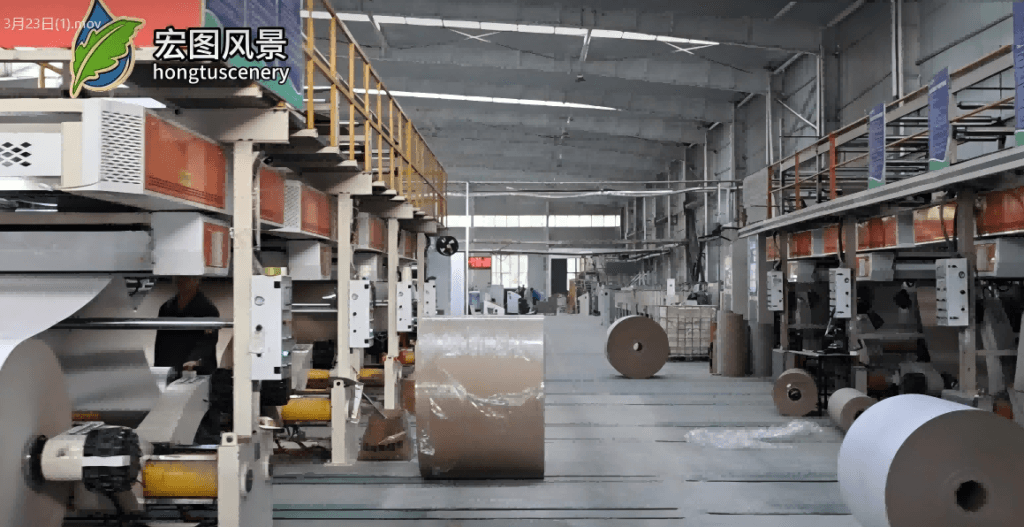
Advantages of Chinese composite greyboard suppliers include:
- Large-scale stable production capacity
- Industrial lamination precision systems
- Strong B2B export experience
- Customizable density and strength grades
For export-oriented packaging factories, this directly impacts:
- Batch consistency
- Shipping reliability
- Reduction of rigid box collapse cases
- Lower customer complaint rates
5. Conclusion: Rigid Box Collapse Is a System Engineering Problem
The issue of rigid box collapse is not caused by a single factor. It is the result of:
Material performance × Structural design × Logistics environment
For B2B packaging manufacturers, true competitiveness is not just producing visually premium boxes, but ensuring:
Structural integrity throughout the entire global supply chain.
As a Chinese composite greyboard manufacturer, we provide not only materials, but also:
- Structural stability
- Reduced shipping damage risk
- Consistent packaging performance for global markets
6.FAQ
Rigid boxes collapse during shipping mainly due to insufficient greyboard density, excessive stacking pressure, humidity exposure, and poor structural design for transit conditions. Even “rigid” packaging can fail when logistics forces exceed material strength.
Rigid box collapse can be prevented by using high-density greyboard, reinforcing corners, improving internal support structures, and designing packaging based on real shipping conditions such as stacking pressure and humidity.
Luxury rigid boxes are often damaged in transit due to weak board structure, lack of compression resistance, improper pallet stacking, and environmental factors such as humidity and long-distance ocean shipping conditions.
Density is more important than thickness. High-density composite greyboard provides better compression resistance and structural stability compared to thicker but low-density materials, especially during long-distance shipping.
Greyboard for rigid gift box packaging should have high compression strength, uniform fiber structure, and stable lamination performance to withstand stacking pressure, vibration, and humidity changes during international shipping.
Author Profile

-
HONGTUSCENERY is a professional manufacturer of composite paperboard,
providing sustainable and customized packaging solutions for global brands.
With nearly 20 years of industry experience, we focus on material performance,
structural strength, and green supply chain development.
Latest entries
 Double-Sided Kraft Laminated Greyboard2026-10-13Hidden Costs in Kraft Board Procurement: Why the Lowest Price Is Not Always the Best Deal
 Industry Insights2026-10-10How to Reduce Profit Losses from Paperboard Procurement Amid RMB Exchange Rate Fluctuations
 Company News2026-10-03Kraft Paperboard: Applications, Performance Advantages & Sustainability
 Double-Sided Kraft Laminated Greyboard2026-09-305 Key Factors for Choosing a Reliable Kraft Board for Packaging Supplier