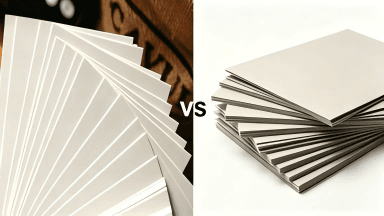
Greyboard vs White Cardboard: Which Is Better for Gift Boxes?
When sourcing gift box packaging, many buyers ask the same question:
What is the difference between greyboard and white cardboard, and which one is better for gift boxes?
For packaging factories, brand owners, and B2B buyers, choosing the right material is not only about appearance. It also affects:
- Box strength
- Shipping safety
- Structural design
- Sustainability
- Overall packaging cost
Many people assume that white cardboard is more premium, while greyboard is cheaper. However, in the rigid gift box industry, many high-end packaging boxes actually use greyboard as the main structural material.
This article explains the differences between greyboard and white cardboard in a simple and practical way, helping packaging buyers choose the right material for their gift box projects.
What Is Composite Greyboard?
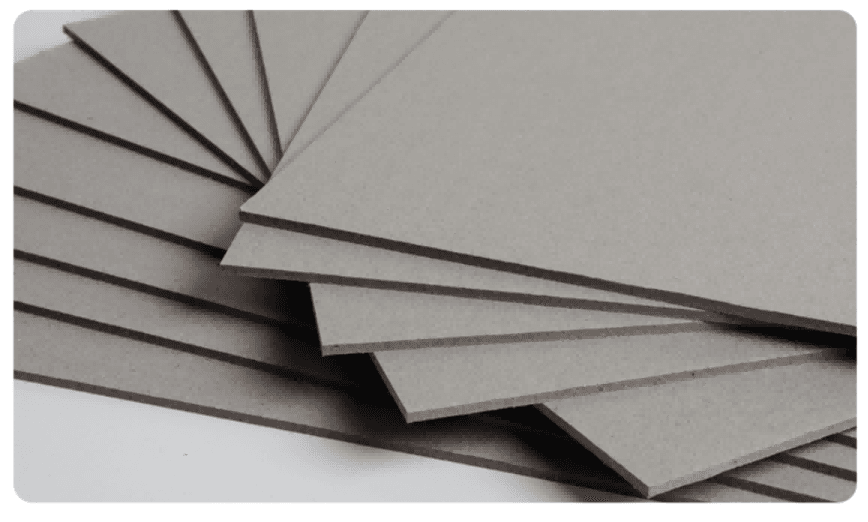
Composite greyboard is an eco-friendly paperboard made from recycled waste paper.
Its raw materials mainly come from:
- Recycled cartons
- Waste paper
- Recycled paper fibers
This means composite greyboard is essentially a:
100% recycled paperboard material.
As global sustainability policies continue to grow, more brands are reducing the use of virgin wood pulp materials and switching to recyclable, low-carbon packaging solutions.
Besides its environmental advantages, composite greyboard also offers:
- High rigidity
- Strong compression resistance
- Good shape stability
- Excellent structural support
- Flexibility for custom box designs
Because of these benefits, greyboard is widely used for:
- Luxury gift boxes
- Wine boxes
- Tea packaging
- Jewelry boxes
- Cosmetic gift boxes
and other premium rigid packaging applications.
What Is White Cardboard?
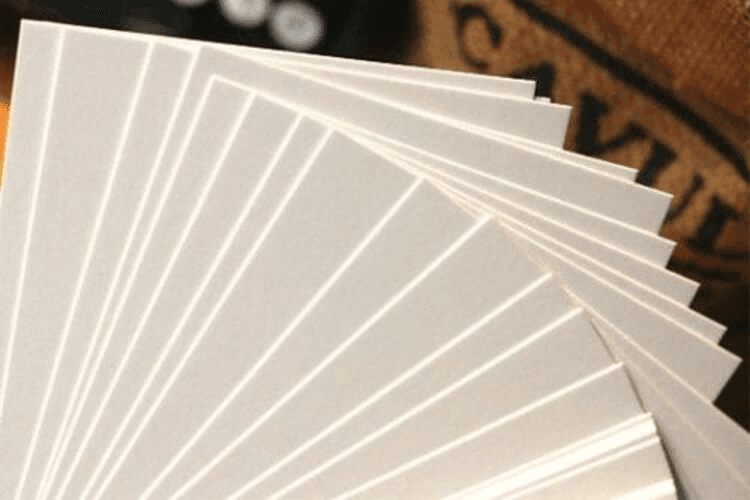
White cardboard is a paperboard material mainly made from virgin wood pulp.
It has a smooth white surface and excellent printability, making it ideal for:
- Folding cartons
- Cosmetic packaging
- Food packaging
- Retail packaging
- FMCG packaging
Compared with greyboard, white cardboard focuses more on:
- Printing quality
- Color performance
- Graphic presentation
However, white cardboard is usually not made from 100% recycled fibers and relies more heavily on virgin pulp materials.
As sustainability requirements become stricter worldwide, many brands are now adopting:
“Greyboard + eco-friendly wrapping paper”
structures for gift boxes to balance premium appearance and sustainable packaging goals.
What Is the Main Difference Between Greyboard and White Cardboard?
1. Greyboard Is Stronger for Gift Boxes
This is the biggest difference.
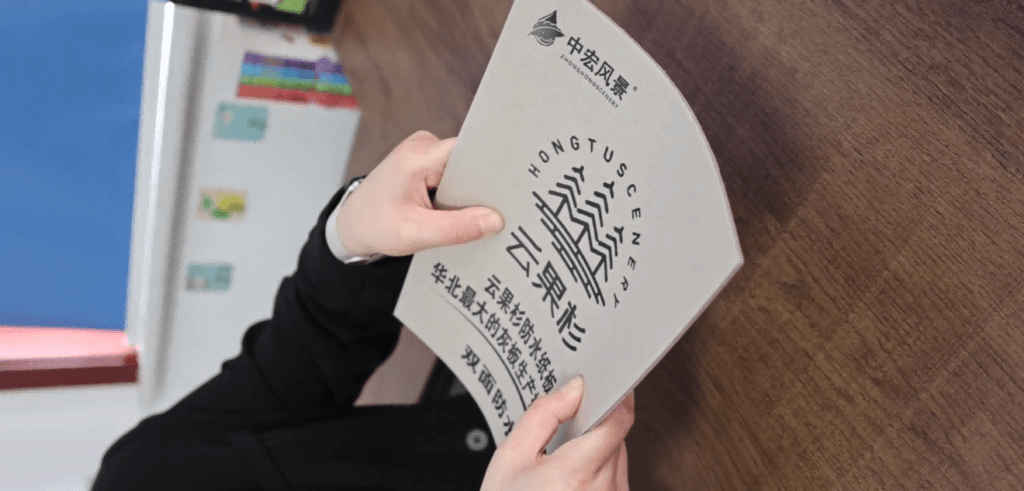
Greyboard is thicker and more rigid, which makes gift boxes stronger and more durable.
It is especially suitable for:
- Luxury gift boxes
- Export packaging
- Large-size rigid boxes
During shipping, weak packaging can easily become:
- Crushed
- Deformed
- Damaged
Because of its high rigidity, greyboard performs much better in these situations.
That is why many premium gift boxes use:
“Greyboard + laminated paper”
structures.
2. Greyboard Has Better Flexibility for Custom Box Shapes
Many buyers overlook this point.
In fact, greyboard offers much better flexibility for structural box designs.
It is widely used for:
- Magnetic boxes
- Book-style boxes
- Drawer boxes
- Round boxes
- Hexagon boxes
- Custom-shaped gift boxes
Because greyboard is thicker and more stable, it is easier to create complex rigid box structures.
White cardboard, on the other hand, is more suitable for standard folding cartons.
For complicated box designs, white cardboard may become:
- Too soft
- Structurally weak
- Easily deformed
This is why many high-end packaging factories prefer greyboard for rigid gift boxes.
3. White Cardboard Is Better for Printing
The biggest advantage of white cardboard is its printing performance.
Its smooth white surface allows:
- Bright colors
- Sharp graphics
- High-quality image printing
This makes white cardboard very popular for:
- Cosmetic cartons
- Food packaging
- Retail boxes
- FMCG packaging
However, truly premium rigid gift boxes are usually not made entirely from white cardboard.
Most luxury packaging uses:
- Greyboard as the inner structure
- Printed paper laminated outside
This creates a more premium and solid packaging experience.
4. White Cardboard Is Not Always Cheaper
Many people think thicker materials must cost more.
But in reality, high-quality white cardboard can sometimes be more expensive than composite greyboard.
This is because premium white cardboard requires:
- Higher whiteness
- Better printing surfaces
- Higher-quality virgin pulp
So for B2B packaging buyers, the real focus should not only be material price, but also:
- Packaging performance
- Shipping safety
- Customer experience
- Total packaging cost
Many export gift boxes choose greyboard because it provides better overall value and stability.
5. Greyboard Fits the Sustainable Packaging Trend
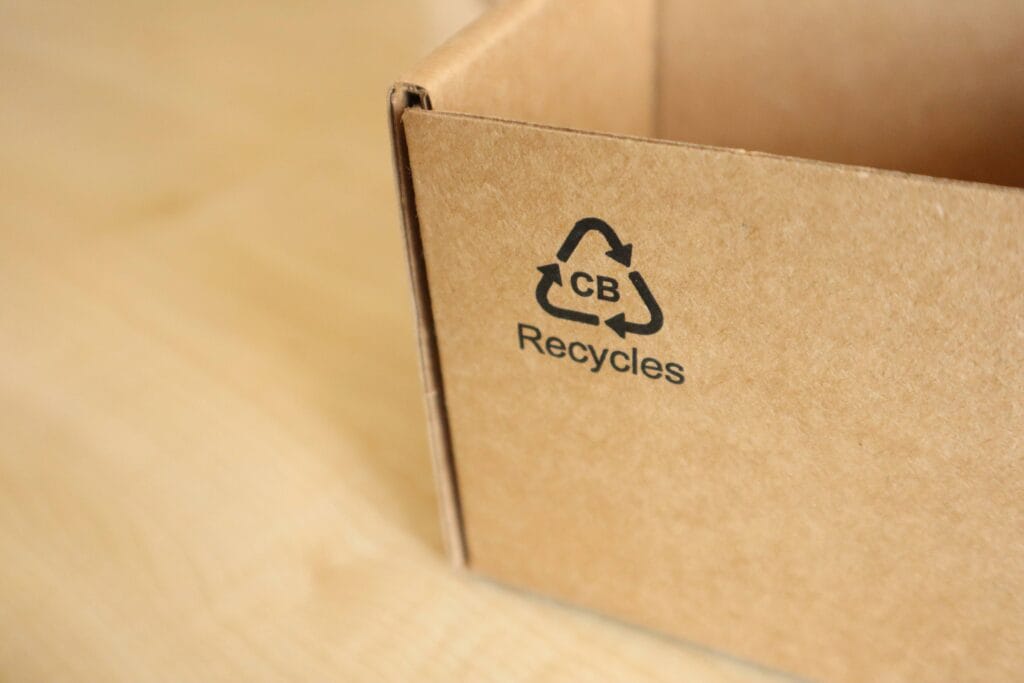
Global packaging markets are increasingly focusing on sustainability.
According to FSC (Forest Stewardship Council) and international packaging industry reports, recycled paper packaging is becoming a major trend in global packaging.
Many overseas brands now pay close attention to:
- Recyclability
- Recycled content
- Sustainable sourcing
- Eco-friendly packaging standards
Since composite greyboard is mainly produced from recycled waste paper, it has strong advantages in sustainable packaging applications.
That is why more international brands are using:
“Composite greyboard + eco-friendly paper”
for premium gift box packaging.
Which Material Is Better for Gift Boxes?
There is no absolute answer.
The best material depends on your packaging goals.
Greyboard Is Better For:
- Luxury gift boxes
- Wine packaging
- Tea boxes
- Jewelry boxes
- Magnetic rigid boxes
- Custom-shaped boxes
- Premium export packaging
Because it offers:
- Better rigidity
- Stronger structure
- More premium feel
- Better shipping protection
- Better sustainability advantages
White Cardboard Is Better For:
- Folding cartons
- FMCG packaging
- Retail packaging
- Lightweight packaging
- High-volume production
Because it offers:
- Better printing quality
- Faster production
- Lower structural complexity
Conclusion
Both greyboard and white cardboard have their own advantages.
However, in the rigid gift box industry:
Greyboard remains the mainstream material for premium packaging.
It provides:
- Stronger structure
- Better custom box flexibility
- More stable shipping performance
- Better alignment with sustainable packaging trends
Meanwhile, white cardboard is more suitable for printed folding cartons and lightweight retail packaging.
For B2B buyers, the most important thing is not simply choosing the more expensive material, but choosing the material that best fits your product, brand positioning, and packaging requirements.
Sources
- FSC (Forest Stewardship Council) sustainable packaging materials
- Smithers global paper packaging industry reports
- International rigid gift box packaging industry references
Author Profile

-
HONGTUSCENERY is a professional manufacturer of composite paperboard,
providing sustainable and customized packaging solutions for global brands.
With nearly 20 years of industry experience, we focus on material performance,
structural strength, and green supply chain development.
Latest entries
 Double-Sided Kraft Laminated Greyboard2026-10-13Hidden Costs in Kraft Board Procurement: Why the Lowest Price Is Not Always the Best Deal
 Industry Insights2026-10-10How to Reduce Profit Losses from Paperboard Procurement Amid RMB Exchange Rate Fluctuations
 Company News2026-10-03Kraft Paperboard: Applications, Performance Advantages & Sustainability
 Double-Sided Kraft Laminated Greyboard2026-09-305 Key Factors for Choosing a Reliable Kraft Board for Packaging Supplier